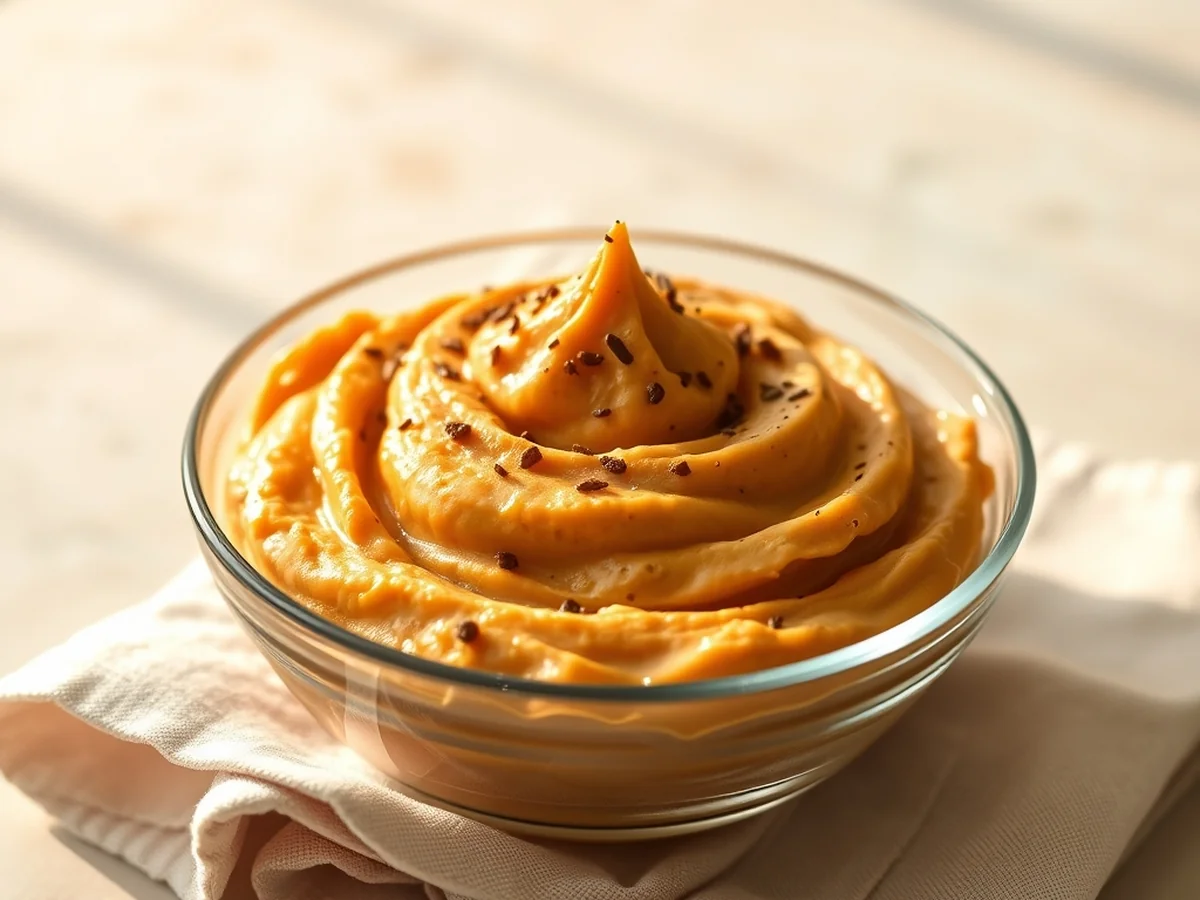
miso mashed sweet potatoes vegan
Introduction
Miso mashed sweet potatoes combine earthy sweetness with rich fermented umami for a completely plant-based side dish. You can elevate traditional root vegetables by blending white miso paste and dairy alternatives into a velvety mash.
This article covers ingredient selection, step-by-step cooking techniques, and flavor balancing tips for plant-based cooking. You will learn how to prepare this savory dish while keeping your meals entirely dairy-free.
Balancing Earthy Sweetness and Fermented Depth
Creating a balanced profile in plant-based cooking often involves bridging the gap between natural sugars and savory depth. Sweet potatoes provide a rich, starchy base, but they can occasionally feel one-dimensional. By incorporating fermented soy products, home cooks can elevate these vegetables with a complex, salty warmth that satisfies the palate. Mastering this balance is a core technique for anyone interested in umami flavor in plant-based cooking, as it transforms simple ingredients into a sophisticated side dish.
The Role of Miso in Flavor Development
When you explore how to use white miso paste, you discover an effective way to ground the inherent sweetness of root vegetables. This fermented ingredient acts as a bridge, adding a salty funk that complements the earthy profile of potatoes. Because miso is a concentrated source of savory notes, it functions similarly to traditional seasoning agents but offers a more layered, fermented character. This approach is particularly effective for those seeking savory vegan side dish recipes that do not rely on animal-derived fats or gravies to achieve a deep, satisfying taste.
Achieving the Perfect Consistency
For those preparing creamy dairy-free mashed potatoes, the technique is as important as the ingredients. The primary challenge is ensuring that the miso integrates smoothly without altering the texture of the dish. Instead of adding the paste directly to the hot potatoes, whisk it into a small amount of warm plant-based milk first. This creates a thin, uniform slurry that distributes evenly throughout the mash. Once this is combined with your potatoes, you can fold in plant-based butter to achieve a velvety, luxurious finish that rivals traditional versions.
Common Pitfalls in Preparation
While the combination of sweet and savory is robust, certain habits can disrupt the flavor balance. A common error involves adding salt too early. Since miso already contains a significant amount of sodium, it is essential to taste your mixture before adding extra salt to avoid an overwhelming result. Another frequent mistake is exposing the miso to excessive heat. Boiling fermented soy products can diminish their delicate, nuanced flavor profile. To preserve the depth of the miso, always stir it into the mixture after the root vegetables have been removed from the direct heat source.
Focusing on these nuances allows you to create a dish that honors sweet potato nutritional benefits while providing a refined eating experience. This method highlights how thoughtful ingredient pairing replaces the need for heavy, meat-based flavor enhancers. By carefully managing the incorporation of salt and temperature, you ensure that every serving delivers a harmonious blend of sweetness and savory complexity, making it an ideal staple for plant-based meal planning.
Understanding Miso and Umami

Fermented soy products bring a rich depth to dishes by introducing complex savory notes that balance natural sweetness. Traditional fermentation breaks down soybeans over time, which creates concentrated amino acids. These compounds interact with your taste buds to trigger the savory sensation known as umami flavor in plant-based cooking. Understanding this dynamic helps home cooks elevate simple vegetables into memorable dishes.
Miso acts as a natural flavor enhancer because it delivers saltiness alongside profound savory undertones. Instead of relying on plain table salt, adding this ingredient deepens the overall flavor profile without masking the underlying ingredients. That savory punch bridges the gap between sweet and salty elements, making it an ideal addition to a savory vegan side dish recipes lineup.
Selecting the Right Miso
Learning how to use white miso paste makes it easy to add these complex notes without overpowering your meal. This particular variety undergoes a shorter fermentation process than darker types, yielding a gentle flavor that blends smoothly into warm dishes. When preparing miso mashed sweet potatoes, the paste imparts a subtle savory background that complements the root vegetable perfectly. Beyond the flavor, sweet potatoes offer nutritional benefits, providing a source of vitamin A and potassium that makes them a staple for healthy eating.
Techniques for Smooth Incorporation
Achieving the best results involves a few practical steps. Always whisk the miso paste into a warm liquid, such as a dairy alternative or melted plant-based butter, before incorporating it into your dish. This prevents clumping and distributes the umami flavor evenly throughout your creamy dairy-free mashed potatoes. A common mistake is adding the paste directly to high heat or boiling liquid, which can diminish its complex properties. Adding it near the end of preparation preserves its delicate character while maximizing the overall taste.
Avoiding Common Flavor Pitfalls
When cooking with fermented ingredients, balance is key. Because miso is naturally salty, you should adjust the amount of added salt in your recipe accordingly. Start with a small amount, taste your mashed sweet potatoes, and build the flavor gradually. By treating miso as a foundational seasoning rather than a primary ingredient, you maintain the integrity of the dish while ensuring the savory profile enhances the natural sweetness of the potatoes rather than overwhelming it.
Nutritional Value of Sweet Potatoes
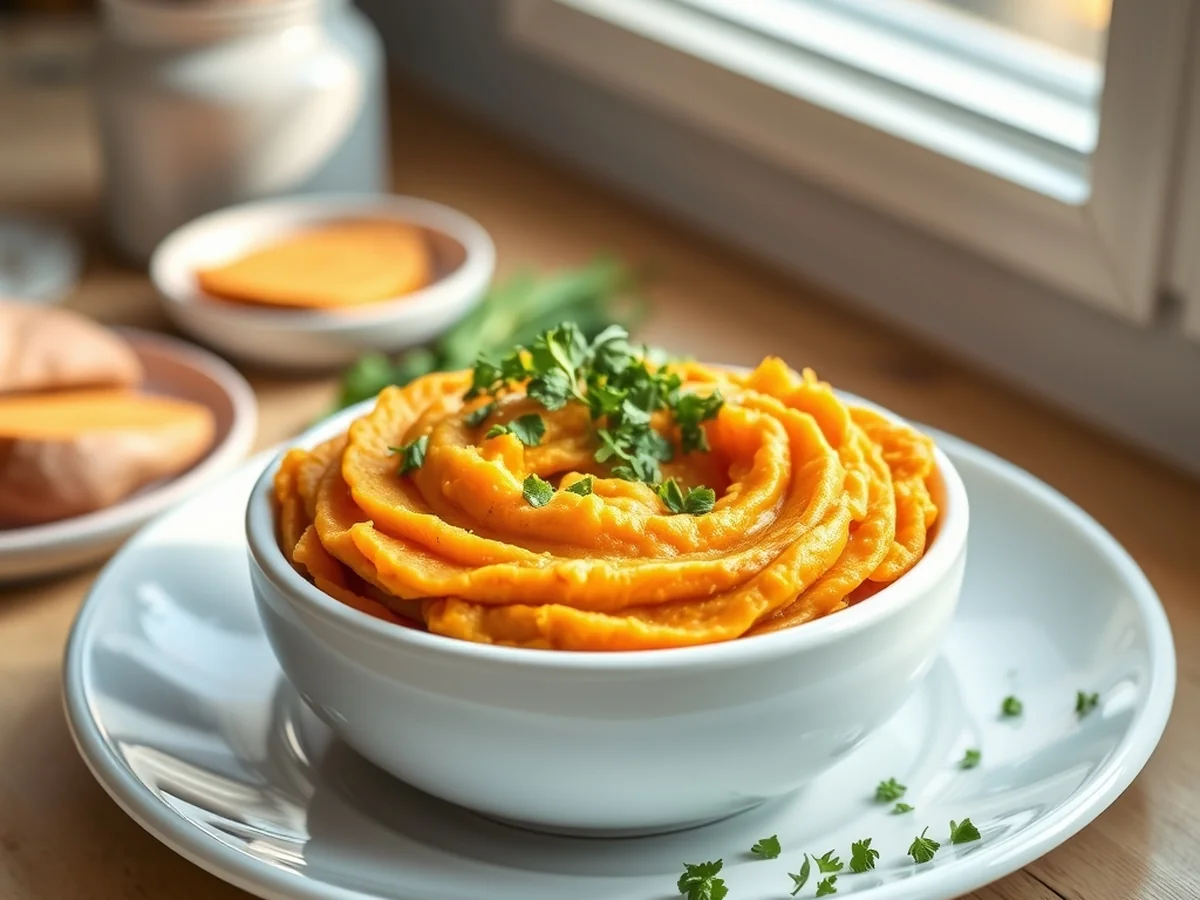
Sweet potatoes serve as a versatile foundation for savory vegan side dish recipes, providing a nutrient-dense profile that supports balanced meal planning. Beyond their natural sweetness, these root vegetables are recognized for containing vitamin A and potassium. When integrated into your rotation of healthy meals, they offer complex carbohydrates and dietary fiber, which contribute to sustained energy levels throughout the day.
Maximizing Nutritional Integrity
To fully leverage the sweet potato nutritional benefits, the preparation method is as important as the ingredient itself. Boiling chopped roots in excess water can cause water-soluble nutrients to leach into the cooking liquid, often leaving the flesh watery and bland. Instead, roasting the potatoes whole or steaming them helps retain their natural moisture and concentrated nutrient density. This approach ensures that when you prepare creamy dairy-free mashed potatoes, the texture remains smooth and naturally rich without the need for heavy fillers or excessive oils.
Building Flavor with Umami
A key strategy for enhancing these plant-based staples is understanding how to use white miso paste to create depth. Miso is a fermented soy product that introduces a savory, salty profile, effectively balancing the inherent sweetness of the vegetable. This combination is a classic technique for achieving umami flavor in plant-based cooking. By incorporating miso, you can reduce or eliminate the need for added sugars, keeping the dish aligned with your health goals while elevating the overall taste.
Practical Preparation Tips
When assembling your dish, consider how different components interact to enhance the nutritional and sensory experience. Using high-quality plant-based butter or a touch of miso paste helps bind the mashed roots into a cohesive, flavorful side dish. If you are preparing this as part of a larger meal, keep the following practices in mind to maintain quality:
- Choose larger pieces or roast whole to preserve internal moisture and flavor.
- Incorporate fermented soy products like white miso paste early in the mixing process to ensure even distribution.
- Opt for roasting over boiling to prevent the roots from absorbing excess water, which leads to a thin, unappealing consistency.
- Focus on natural, nutrient-dense additions that complement the earthy profile of the root rather than masking it with processed sweeteners.
By prioritizing these techniques, you ensure that your side dishes remain nourishing, flavorful, and a reliable part of your routine.
Achieving Perfect Creamy Texture
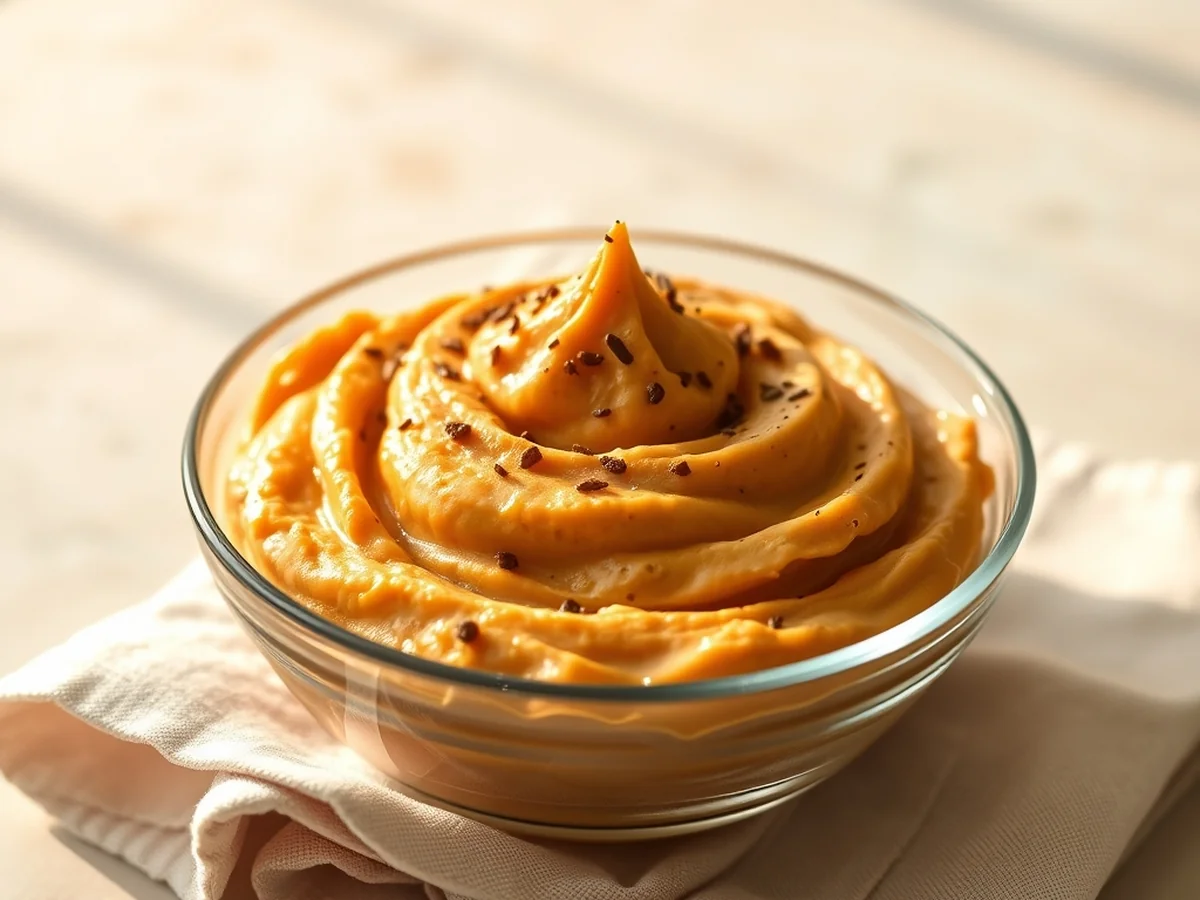
Getting a smooth consistency without a heavy feel starts with choosing the right cooking technique and mixing in quality dairy alternatives. Boiling sweet potatoes softens them quickly, but roasting concentrates their natural sugars and reduces excess moisture for a richer flavor profile. When preparing these plant-based sides, the main goal is to balance the natural sweetness of the root vegetables with deep, savory notes.
Avoiding a gummy texture depends entirely on how you handle the ingredients after they finish cooking. Starches in root vegetables can easily break down into a gluey paste if they are mistreated while hot. Understanding the why behind each step helps home cooks master this plant-based cooking technique easily.
Here are the practical steps to keep your light and fluffy mashed sweet potatoes free of animal products:
- Drain boiled chunks thoroughly in a colander and let them sit for a few minutes so excess steam evaporates completely before mashing.
- Pierce whole roots with a fork before roasting them in their skins to allow trapped moisture to escape during the cooking process.
- Mash the warm pieces gently by hand using a traditional potato masher or a sturdy fork rather than reaching for an electric food processor.
- Incorporate plant-based butter and plant milk gradually until you reach the desired consistency for your miso mashed sweet potatoes.
- Avoid overworking the starches, because aggressive mechanical blending turns the soft pulp into a sticky, unappealing paste.
A common mistake when making this dish is adding too much liquid all at once. Sweet potatoes retain varying amounts of moisture depending on their size and age, so pouring in plant milk too quickly can result in a watery mixture that fails to hold its shape on the plate. Add liquids in small splashes while stirring gently. Another frequent error is using a high-speed blender or food processor. The blades shear the starch molecules apart, which activates the sticky components and ruins the light texture you want in your final dish.
Taking time to properly drain boiled chunks or letting roasted roots steam dry for a few minutes makes a noticeable difference. Combining these careful preparation methods with quality plant-based butter ensures the dish stays velvety and rich without relying on heavy dairy products.
Tips for Balancing Flavors

Creating a balanced profile for miso mashed sweet potatoes requires a thoughtful approach to counteracting the natural sweetness of the vegetable. Sweet potatoes bring a strong sugary base to any savory vegan side dish, and without the right counterweight, the final dish can easily lean toward dessert flavors. The goal is to build depth rather than mask the core ingredient, ensuring the final result remains a versatile accompaniment to high-protein main courses.
The Role of Umami in Plant-Based Bases
Fermented soy products offer an ideal solution for adding depth to plant-based cooking. White miso paste is particularly effective here because its milder, slightly sweet profile integrates smoothly into a smooth vegetable puree without dairy ingredients or animal products without overpowering the dish. To maximize the impact, try blending the miso directly into your softened plant-based butter before incorporating it into the potatoes. This emulsion ensures even distribution and coats the heavy starches, allowing the umami notes to permeate every bite.
When working with sweet potatoes, it is helpful to remember their inherent nutritional benefits. They are a notable source of vitamin A and potassium, and a well-balanced preparation highlights these qualities rather than burying them in excess sugar or salt. A common mistake when seasoning root vegetables is relying solely on salt to fix a flat flavor profile. Over-salting can easily drown out the subtle earthy notes of the potato. Instead, focus on building complexity through contrast.
Adjusting Acidity and Aromatics
The secret to a professional-grade mash often lies in how you cut through the richness of dairy alternatives. If the dish feels too heavy or one-dimensional, a small splash of acidity is the most effective corrective measure. Ingredients like lemon juice, apple cider vinegar, or even a touch of rice vinegar can brighten the mixture, effectively lifting the heavy starch profile and making the flavors pop. Add these acidic components in small increments, tasting as you go to ensure you do not turn the mash into a vinaigrette.
Layering aromatics provides the final touch of complexity. While sweet potatoes are often paired with warming spices like cinnamon, savory preparations benefit from a different approach. Incorporating minced shallots, sautéed garlic, or fresh chives highlights the fermented character of the miso. If you are preparing this for meal prep, keep in mind that flavors tend to mellow or shift after refrigeration. If you find the flavor muted after reheating, a fresh pinch of sea salt or a final squeeze of citrus can restore the intended balance. Careful tasting throughout the cooking process remains the best way to ensure every spoonful delivers a harmonious blend of sweet, savory, and bright notes.
Common Preparation Mistakes
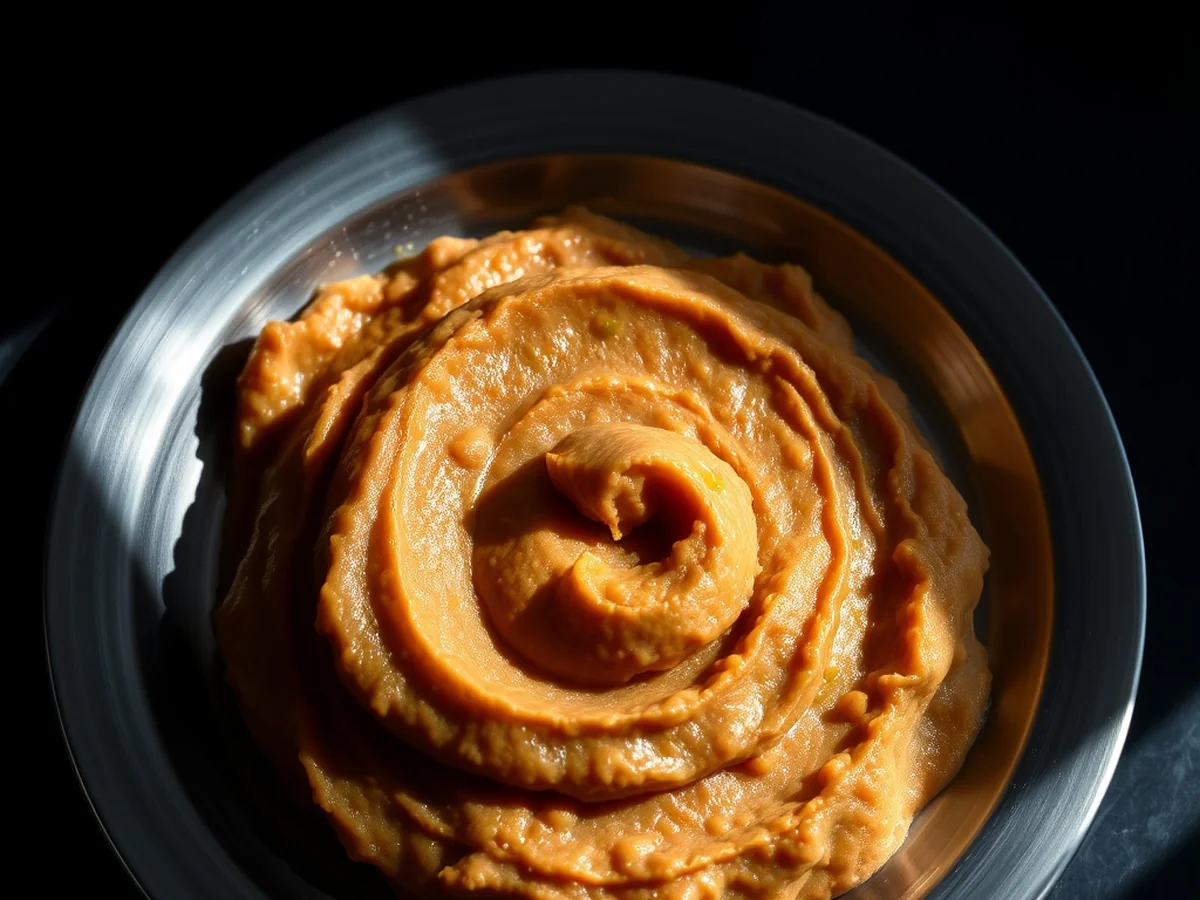
Preparing plant-based side dishes requires a careful balance of texture and seasoning. When making miso mashed sweet potatoes, even small errors in technique can impact the result. Understanding these pitfalls allows home cooks to maintain the sweet potato nutritional benefits while creating a balanced dish.
Avoiding Texture Issues
One frequent mistake is over-processing the base. Aggressively whipping or using a high-speed blender on cooked sweet potatoes breaks down the starches too much. This releases excess starch that creates a gluey or gummy consistency rather than a light, fluffy mouthfeel. To achieve smooth plant-based side dishes without dairy, use a simple potato masher or a ricer. This gentle approach preserves the structural integrity of the vegetable fibers, ensuring a lighter finish that pairs well with other dinner components.
Temperature and Flavor Balance
A common oversight involves incorporating fermented seasonings into hot dishes. Because miso is a fermented soy product, its delicate profile is heat-sensitive. Adding the paste to boiling hot potatoes can dull its complex profile and diminish the savory depth in plant-based cooking. To prevent this, let the potatoes cool slightly after draining before incorporating the miso. You can also temper the miso by mixing it with a small amount of warm plant-based butter or a splash of dairy alternatives before folding it into the main batch. This ensures the flavor remains bright and savory without losing its fermented character.
Managing Sodium and Consistency
Sodium levels often fluctuate when incorporating fermented ingredients. Different brands and varieties of white miso paste have varying salt concentrations, so relying on a set measurement without tasting can lead to an overly salty dish. Always season gradually and taste as you go.
Similarly, avoid dumping all your liquid ingredients in at once. Whether you are using plant-based butter, coconut milk, or almond milk, add them in small increments. This allows you to control the thickness and reach the desired consistency without accidentally making the mash too thin. If you find the mixture becoming too loose, you can briefly reheat it over low heat to allow some moisture to evaporate, but adding the liquids slowly from the start is the most effective way to maintain control over the final texture.
By focusing on gentle mashing techniques, temperature control for your fermented soy products, and careful seasoning, you can easily master this dish. These habits help you elevate simple ingredients into a sophisticated addition to any meal, providing a reliable way to enjoy high-quality plant-based nutrition.
Serving and Meal Prep Ideas
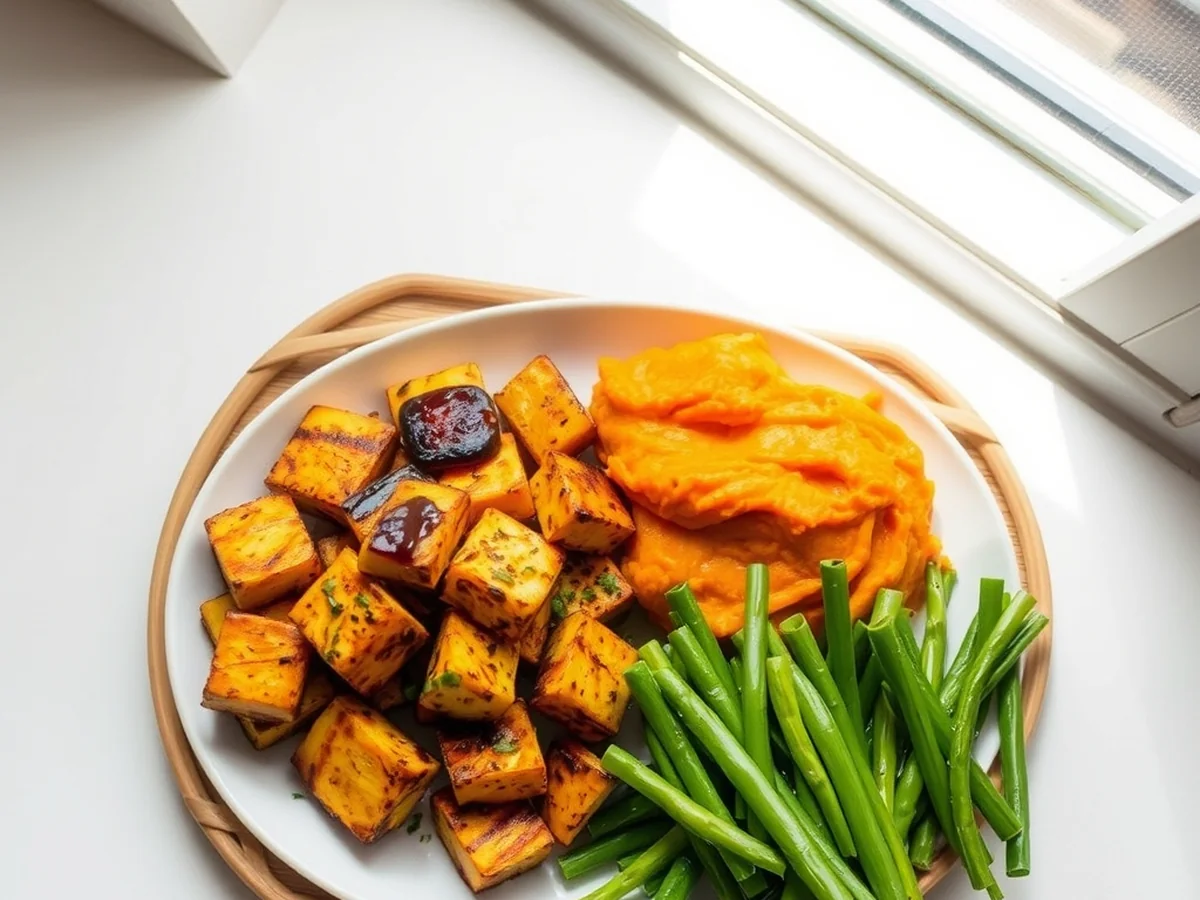
When incorporating miso mashed sweet potatoes into your menu, the key is balancing their natural sweetness with savory elements. This dish works exceptionally well as part of a high-protein dinner plan.
By pairing the smooth, plant-based mashed potatoes with lean protein sources like grilled tofu, tempeh, or lentil-based loaves, you create a meal that satisfies both hunger and flavor cravings. The richness of white miso paste provides a depth of savory taste without animal products that is often missing from vegetable-heavy plates, turning a simple side into a sophisticated component of your meal.
Integrating Miso into Your Weekly Prep
For those focused on efficiency, the natural goodness found in these root vegetables makes them an excellent staple for weekly meal prep. Because they reheat well, you can prepare a large batch on your designated cooking day and portion them into individual airtight containers. This approach ensures you have a reliable side dish ready for lunches or dinners throughout the week.
When batch-cooking, allow the potatoes to cool completely on the counter before covering them. Sealing warm containers traps steam, which can lead to a watery texture once the potatoes are chilled and reheated. Placing a small sheet of parchment paper directly against the surface of the potatoes before sealing the lid helps minimize condensation and maintains a better consistency.
Refining Texture for Better Leftovers
Proper storage and reheating are crucial when working with flavorful plant-based side dishes. If you find your potatoes have thickened or dried out after a few days in the refrigerator, you can easily restore their original quality. When reheating, add a small splash of your preferred unsweetened dairy alternative, such as almond or soy milk, to the container.
Warm the mixture gently on the stovetop or in the microwave, stirring occasionally. This technique helps reintroduce moisture and ensures the texture remains smooth rather than dense. Incorporating fermented soy ingredients in this context also means understanding that their unique qualities allow them to hold up well to moderate reheating without losing their characteristic savory punch.
If you prefer to vary your meals, consider using these mashed potatoes as a base for other plant-based creations. They can serve as a flavorful topping for shepherd-style pies or as a thickener for nutrient-dense soups.
By keeping your prep flexible, you can hit your protein and nutrition goals without feeling like you are eating the same meal repeatedly. Focus on consistent, airtight storage to preserve the integrity of the fermented ingredients and the overall flavor profile of your batch-cooked vegetables.
FAQ
What does miso add to sweet potatoes?
Miso brings a deep savory quality that balances out the natural sugars in sweet potatoes. This fermented soy product creates a complex flavor profile that elevates simple plant-based cooking by introducing rich taste elements without needing heavy ingredients.
Can you make this dish ahead of time?
You can prepare these vegetables in advance and reheat them gently on the stove before serving. A common mistake is reheating over high heat, which can dry out the mixture, so use low heat and add a splash of dairy alternatives during the reheating process to help restore the smooth texture for your miso mashed sweet potatoes.
Which type of miso works best for this recipe?
White miso paste is the preferred choice because it offers a milder and slightly sweeter taste than darker varieties. Incorporating this ingredient effectively means dissolving it into a warm liquid before blending, as this prevents clumping and ensures it mixes smoothly into the hot dish without overpowering the other components.
How do you keep the dish completely dairy-free?
Plant-based butter and unsweetened dairy alternatives replace traditional dairy products successfully. These substitutes maintain the rich mouthfeel of velvety plant-based purees while keeping the recipe entirely suitable as a savory plant-based side dish for anyone avoiding animal products.
Are sweet potatoes healthy?
Sweet potatoes provide essential nutrients including vitamin A and potassium that support overall wellness. Incorporating them into flavor-forward meals is a delicious way to enjoy plant-based cooking, while learning about the wholesome properties of these root vegetables helps you appreciate why they make such a solid foundation for nutritious side dishes.
Conclusion
The final step is to taste your creation and adjust the balance between the natural sugars of the root vegetables and the savory, fermented notes of your paste. Once you achieve the desired depth, serve the dish immediately while it retains its smooth, whipped texture. Integrating miso mashed sweet potatoes into your weekly rotation provides a simple way to elevate standard plant-based meals with complex, layered flavors. Start by selecting your favorite variety of white miso and experimenting with small amounts until you find your preferred level of richness.
You might also like: Blueberry Lemon Overnight Oats with chia