tempeh stir fry with miso peanut sauce
Introduction to Plant-Based Flavor and Nutrition
Preparing a plant-based dinner that hits high protein goals without sacrificing deep flavors is simple when you make a tempeh stir fry with miso peanut sauce. This meal delivers substantial nutrition alongside bold culinary profiles, keeping weeknight cooking exciting and satisfying.
Home cooks will discover how combining fermented plant ingredients with savory nut-based dressings creates an umami-rich dinner. You will get clear ingredient breakdowns, texture tips, and flavor pairing guidance to master this dish at home.
Why Tempeh Shines Here

Preparing a plant based skillet meal requires ingredients that hold their structural integrity under high heat while absorbing heavy flavors. When figuring out how to cook tempeh for stir fry, understanding its unique physical structure explains why it outperforms other meat alternatives in a sizzling pan. According to PubMed research, tempeh is made from fermented soybeans using a starter containing Rhizopus to form a firm textured block. That solid consistency allows slices or cubes to retain their shape without falling apart during vigorous tossing.
Beyond its physical durability, this ingredient delivers remarkable nutritional properties. Harvard Health Publishing documents that a 100 gram serving of tempeh provides specific nutritional properties, making it an ideal protein anchor for anyone putting together a hearty vegetarian dinner. Pairing it with a flavorful dressing creates a balanced dish that satisfies the appetite without relying on animal products.
The culinary magic happens because of how the block interacts with liquid seasonings. Common preparation mistakes involve tossing raw blocks straight into a dry pan, which leaves the interior dry and unseasoned. Steaming or lightly simmering the slices beforehand removes any natural bitterness and opens up the porous surface area.
- Dense, satisfying chew that mimics heartier proteins in a skillet
- Porous surface area that catches savory dressings and rich plant based sauces
- Reliable shape retention during high heat tossing in a cast iron skillet
Choosing Your Miso Paste
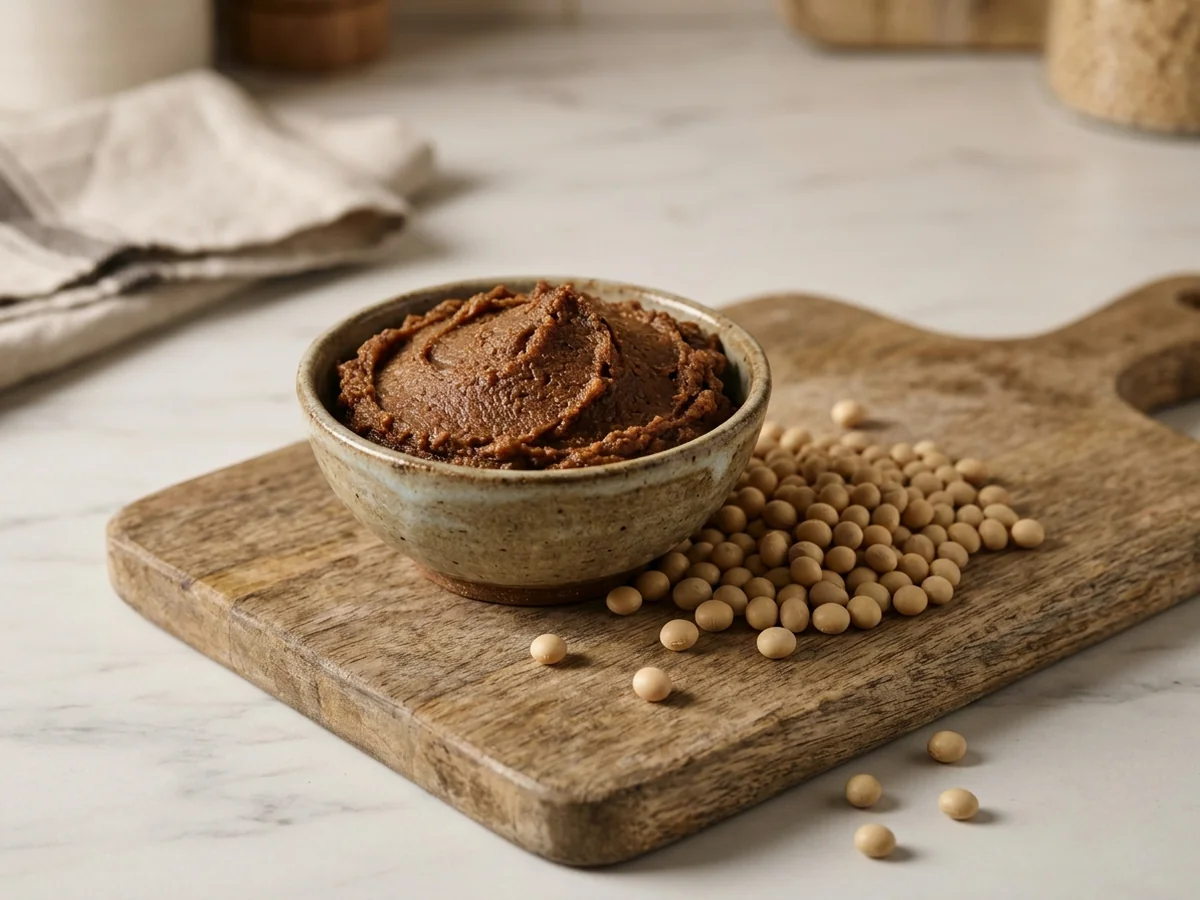
Selecting the right miso paste forms the foundation of a savory glaze for your plant based skillet meal. This traditional ingredient is commonly known as a thick savory mixture created by combining soybeans or brown rice with a starter culture that utilizes Aspergillus fungus. Alongside fermented foods health benefits, understanding how this ingredient functions helps you balance flavors in your skillet.
Typical culinary practice shows that using about 1 tablespoon or 15 grams of miso provides substantial nutritional value and rich umami depth. This small amount brings complex savory notes without overpowering the peanut butter or other components in your meal.
Main Varieties of Miso Paste
You will generally find a few main varieties at the grocery store. Each option brings a slightly different flavor profile to your cooking:
- White miso offers a mild and slightly sweet taste, making it ideal for lighter dressings.
- Red miso delivers a deeper, saltier, and more robust punch from longer fermentation.
- Mixed varieties combine both styles to balance mild sweetness with savory aged depth.
Protecting Delicate Flavors in Your Cast Iron Skillet
Understanding the why behind your selection prevents common mistakes, such as adding the paste directly to high heat, which can destroy its delicate flavor compounds. Whichever variety you select, practical steps include mixing it thoroughly with warm water or warm liquid from your cooking setup to dissolve the thick texture before it hits the cast iron skillet. This simple step ensures even distribution throughout your tempeh stir fry with miso peanut sauce.
Pairing this savory base correctly relies on handling your ingredients with care. While miso brings aged umami complexity, your main protein requires an equally thoughtful approach. Tempeh is made from fermented soybeans using a starter containing Rhizopus to form a firm textured block, providing a distinct contrast to the smooth sauce. Furthermore, a 100 gram serving of tempeh provides specific nutritional properties that make it a robust addition to any dinner rotation, working seamlessly with your choice of miso and peanut butter combinations.
Preparing and Handling Tempeh for Optimal Texture

Proper handling transforms a dense block into a crisp, flavorful foundation that readily absorbs savory dressings. According to research published by the National Institutes of Health available via PubMed, tempeh is made from fermented soybeans using a starter containing Rhizopus to form a firm textured block, which provides a satisfying bite and impressive structural integrity for plant based cooking. Because untreated soy blocks can carry a slightly bitter taste, careful preparation ensures the final dish tastes rich and balanced.
Understanding how to cook tempeh for stir fry requires attention to a few specific techniques that prevent sogginess and maximize flavor penetration:
- Slice the firm block evenly into thin strips or bite-sized cubes to maximize the surface area for flavor absorption.
- Steam the sliced pieces for about ten minutes before frying to neutralize any natural bitterness and soften the interior texture.
- Pat the steamed pieces completely dry with a clean kitchen towel so they develop an even, golden crust in the pan.
- Soak the dried pieces in your chosen savory marinade for at least fifteen minutes so the liquid penetrates deeply into the dense matrix.
- Sear the marinated slices in a hot cast iron skillet until both sides turn crisp and golden brown.
The Science of Steaming and Drying
A common mistake during preparation is skipping the steaming step, which often leaves the interior tough and bitter while preventing marinades from soaking in properly. Another pitfall involves adding wet slices directly to a hot pan. Excess surface moisture causes the pieces to steam instead of sear, resulting in a soft, uneven texture rather than the desired crispy exterior. Taking the time to dry each piece thoroughly guarantees a superior bite in your meal.
Nutritional Profile and Miso Pairing
As noted in data compiled by Harvard Health Publishing, a 100 gram serving of tempeh provides specific nutritional properties that support high-protein plant-based diets. To elevate this protein source further, pairing it with complementary fermented ingredients creates exceptional depth. Common culinary practice often utilizes 1 tablespoon or 15 grams of miso, typically prepared by blending brown rice or soybeans with an Aspergillus starter culture, to build a rich umami base for savory sauces.
Selecting the Best Vegetables for Your Skillet
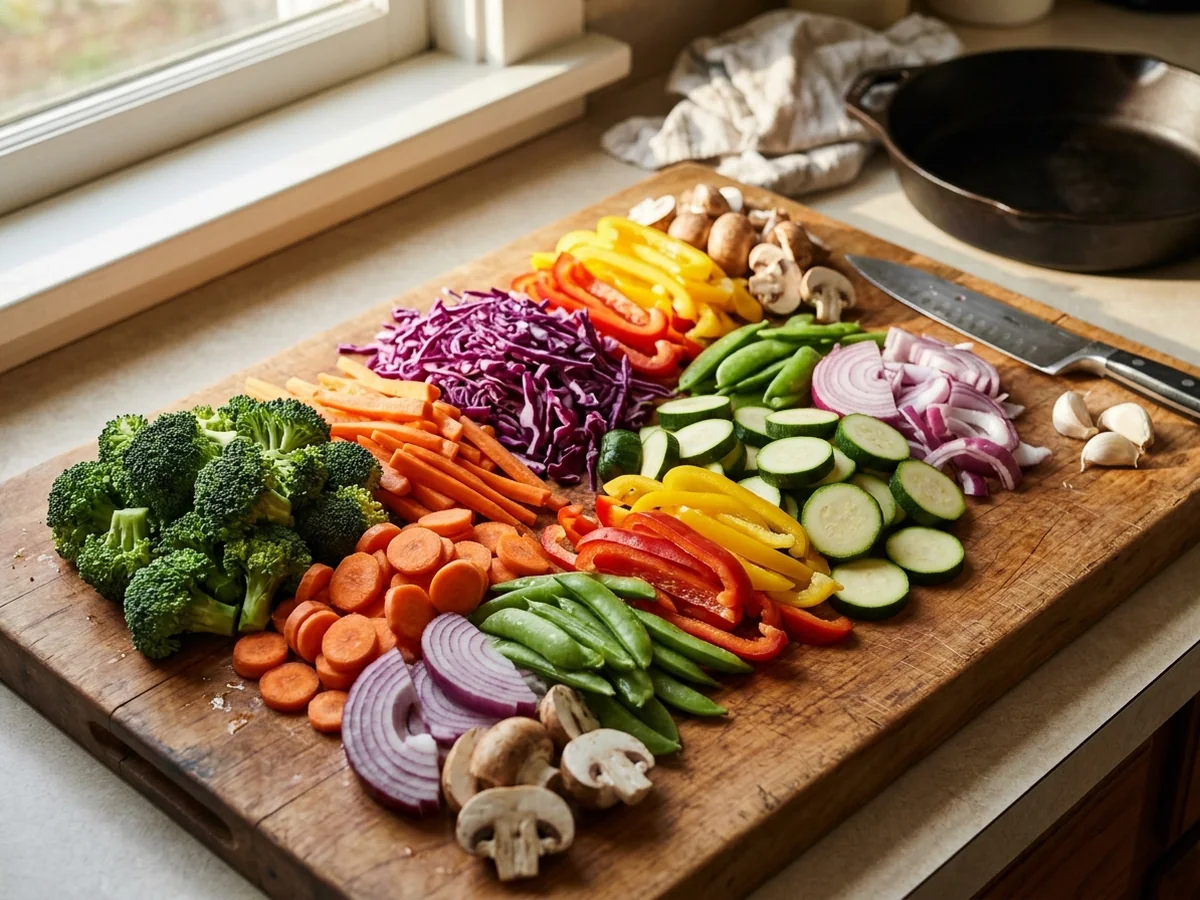
Balancing colors and textures in a plant-based meal requires combining crisp raw elements with tender produce that absorbs savory dressings well. Choosing the right tempeh stir fry vegetables helps prevent a soggy pan and ensures every bite offers a satisfying crunch alongside dense protein blocks.
Selecting your produce goes beyond simple visual appeal. Harder vegetables need different cooking times compared to soft leafy greens. Adding everything to the hot surface at the exact same moment leads to uneven cooking. Managing moisture levels correctly keeps your ingredients vibrant and prevents the pan from cooling down too quickly.
- Broccoli florets provide a vibrant green hue and sturdy stems that hold up well against heavy dressings.
- Bell peppers introduce bright red or yellow shades alongside a natural sweetness that contrasts with salty fermented soy products.
- Snap peas cook rapidly while maintaining a crisp bite that complements dense protein blocks.
- Carrots cut into thin matchsticks add earthy flavor and vibrant orange color to the finished dish.
- Baby spinach wilts down quickly at the very end of cooking to incorporate subtle iron-rich greens into the mix.
Timing vegetable additions correctly prevents overcrowding and soggy ingredients when using a heavy pan like a cast iron skillet. A common mistake is dumping all the produce into the hot surface at once, which releases too much moisture and steams the food instead of searing it. Harder produce like carrots and broccoli stems goes into the hot surface first to allow proper browning. Delicate greens or quick-cooking items join the skillet just before serving to retain their texture and bright color.
Mastering the Savory Sauce Combination

Balancing salt, acidity, and richness is the key to creating a savory dressing that coats every single bite of your skillet meal. When preparing an easy vegan stir fry sauce, you achieve this balance by carefully pairing creamy peanut butter with fermented miso paste and sharp pantry aromatics. Understanding how these distinct elements interact transforms a basic skillet dinner into a restaurant quality meal.
The Science of Miso and Peanut Butter
Peanut butter provides a thick, fatty base that softens the intense saltiness of the miso paste. Common guidance suggests that a single tablespoon or fifteen grams of miso adds deep umami flavor to the mixture without overwhelming the pan. Traditional preparation methods usually involve creating miso by combining brown rice or soybeans with a starter culture that utilizes the Aspergillus fungus.
Integrating Protein and Aromatics
Pantry aromatics like minced garlic, grated fresh ginger, and a splash of rice vinegar cut through the heavy fats. Acidity is vital because it brightens the earthy notes of the peanut butter and keeps the dressing from tasting flat. To build the combination correctly for a tempeh stir fry with miso peanut sauce, follow a few practical preparation steps in your kitchen:
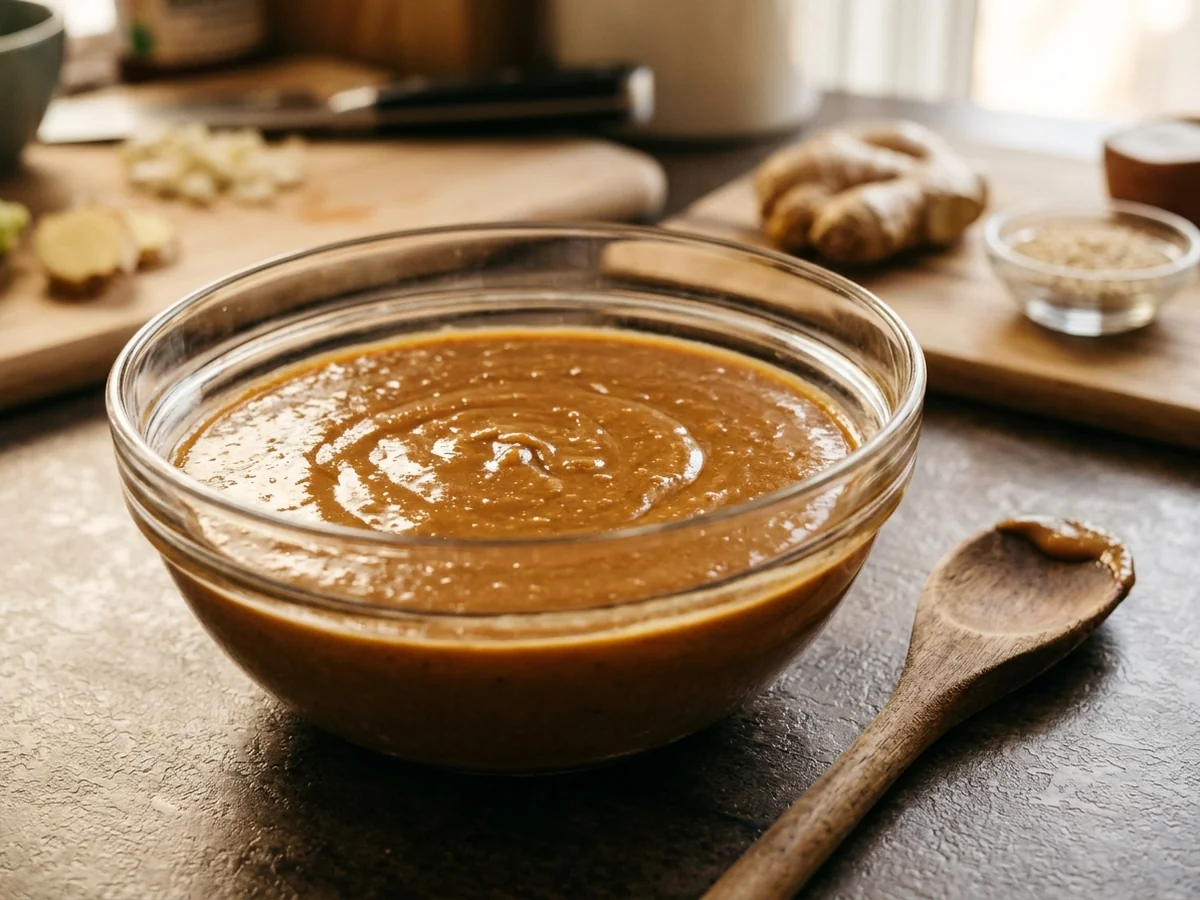
- Whisk smooth peanut butter with warm water in a small bowl until a creamy base forms.
- Blend in the miso paste gradually until it is completely dissolved and no lumps remain.
- Stir in fresh minced garlic, grated ginger, and a splash of rice vinegar for sharpness.
- Taste the mixture and adjust sweetness with a small amount of maple syrup if the salt or acid is too dominant.
Avoiding Common Mixing Mistakes
A common mistake when mixing plant based dressings is adding the miso directly to a hot pan, which can dull its nuanced flavor profile. Instead, whisk your miso thoroughly into room temperature liquids before introducing it to your cast iron skillet or wok. If the finished mixture tastes too salty, add a touch more acid or sweetness to restore harmony before pouring it over your tempeh and vegetables.
For home cooks exploring fermented foods health benefits, pairing this sauce with properly prepared ingredients elevates both the flavor and the nutritional profile of your meal. According to research published on PubMed, tempeh is made from fermented soybeans using a starter containing Rhizopus to form a firm textured block. Furthermore, Harvard Health notes that a 100 gram serving of tempeh provides specific nutritional properties that support plant based diets.
Nutritional Breakdown of Stir Fry
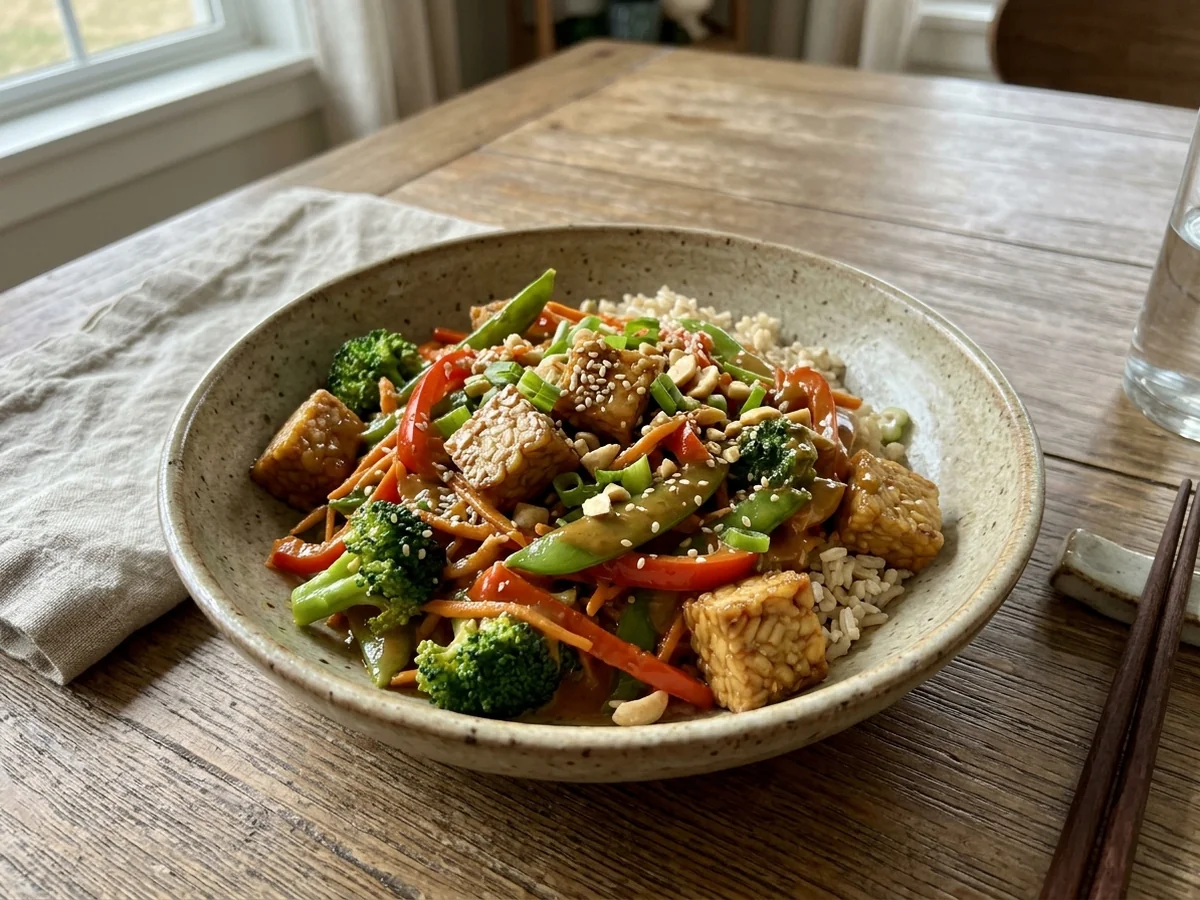
Pairing fermented soy protein with a savory nut dressing creates a balanced macronutrient profile that supports daily health goals. Health conscious eaters often track their intake to hit specific protein targets without sacrificing flavor, making this combination a practical choice for dinner. According to Harvard Health Publishing, a 100 gram serving of tempeh provides specific nutritional properties that contribute to your daily protein requirements. Combining this dense plant protein with a homemade dressing introduces plant fats and micronutrients that round out the meal.
When assembling your tempeh stir fry with miso peanut sauce, understanding the role of each component helps you build a satisfying plate. Practical meal planning involves balancing proteins, fats, and savory elements so the dish remains flavorful and aligned with your nutrition targets. A common mistake is omitting the rich dressing elements, which leaves the dish dry and lacking in essential plant fats. Including a measured amount of quality ingredients ensures your dinner delivers both deep flavor and a complete macronutrient profile.
Core Ingredients and Processing Methods
The foundation of this dish relies on traditional fermentation techniques that alter the texture and nutrient availability of the raw ingredients. As noted in research published by PubMed, tempeh is made from fermented soybeans using a starter containing Rhizopus to form a firm textured block, which allows the protein source to absorb rich flavors readily during cooking. Similarly, common guidance notes that miso production relies on a fermentation process combining soybeans or brown rice with a starter culture that features the Aspergillus fungus. These processes create distinct flavor profiles and unique culinary characteristics that elevate a standard vegetable skillet into a nutrient dense dinner.
| Ingredient | Primary Attribute | Nutritional Contribution |
|---|---|---|
| Tempeh | Fermented Soy Protein | Delivers firm texture and substantial protein per 100 gram serving |
| Miso Paste | Fermented Seasoning | Typically made by fermenting soybeans or brown rice with Aspergillus |
| Peanut Butter | Nut Fat Source | Adds rich texture and complementary plant fats to the dish |
Balancing Flavors and Practical Portions
Building an effective sauce requires careful attention to proportions so the seasoning complements the earthy flavor of the soy protein rather than overpowering it. Common guidance notes that 1 tablespoon or 15 grams of miso provides nutritional value while boosting the savory depth of the dressing. Pairing this fermented seasoning with peanut butter balances the saltiness with natural plant fats, creating a cohesive coating for your skillet meal. This combination aligns with goals for clean, plant based eating by supplying both macronutrients and complex flavors in every bite.
Why This Dish is Healthy
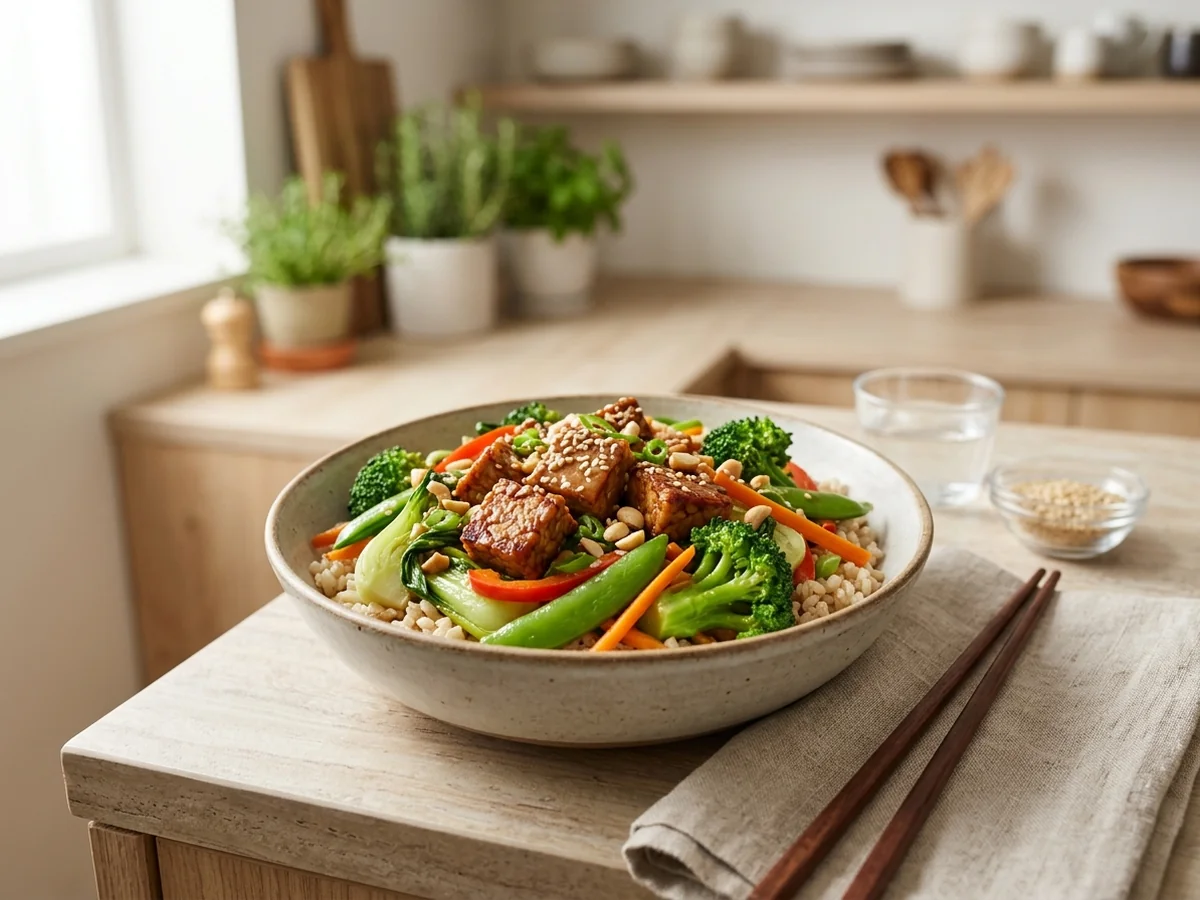
Preparing a plant-based dinner with fermented ingredients actively supports digestive wellness and microbiome diversity. Your digestive tract thrives when you feed it a variety of helpful microbes, and traditional fermented foods provide just that. Understanding how these ingredients work together helps you maximize the nutritional value of your meal without sacrificing flavor.
The foundation of this dish relies on specific preparation methods for the primary protein. According to research from the National Library of Medicine (https://pubmed.ncbi.nlm.nih.gov/8267862/), tempeh is made from fermented soybeans using a starter containing Rhizopus to form a firm textured block. This fermentation process breaks down complex compounds in the beans, making the food easier to digest while preserving its dense nutritional profile. Harvard Health Publishing notes that a 100 gram serving of tempeh provides specific nutritional properties that make it a powerhouse protein option for plant-based meals.
Miso paste adds another layer of wellness benefits and savory depth to the dish. Common guidance suggests that culinary traditions create this seasoning by combining brown rice or soybeans with a specialized fungus starter known as Aspergillus. Typical culinary practice indicates that using just one tablespoon or 15 grams of miso provides rich umami flavor and nutritional value without overwhelming your daily sodium intake.
To get the most out of these ingredients, keep a few practical steps and common mistakes in mind:
- Incorporate a variety of colorful vegetables alongside your protein to increase overall fiber intake and support gut flora diversity.
- Avoid boiling or overheating delicate fermented pastes like miso in rolling liquid, which can diminish the live cultures and delicate flavors.
- Balance your sodium levels by tasting your sauce before adding extra salt, as ingredients like miso and soy-based components already contribute significant savory depth.
Fermented foods health benefits ultimately stem from the live cultures and bioactive compounds created during production. Regular consumption of these ingredients introduces beneficial bacteria to your digestive system, turning a simple weeknight dinner into a proactive choice for long-term health.
Storage and Meal Prep Instructions for Leftovers

Proper storage keeps your tempeh stir fry with miso peanut sauce fresh and maintains the structural integrity of the fermented soybeans. Because tempeh is made from fermented soybeans using a starter containing Rhizopus to form a firm textured block, protecting that specific structure during storage prevents the protein from turning rubbery or dry. When you pack your work lunch meal prep containers, taking a few strategic precautions ensures that the vegetables stay crisp and the rich dressing stays emulsified without breaking.
Optimal Cooling and Container Selection
Allow the cooked vegetables, tempeh stir fry vegetables, and savory sauce to cool completely at room temperature before sealing your glass or plastic meal prep containers. Sealing hot food creates excess condensation, which drips back onto the food and makes the ingredients soggy. Choose airtight containers to lock out refrigerator odors and maintain the flavor profile of your easy vegan stir fry sauce throughout the week.
Refrigerator Storage Guidelines
Store your sealed meal prep portions in the refrigerator for up to four days. This window keeps flavor and texture quality intact without degrading the quality of the cooked vegetables or the fermented ingredients. Keeping your containers toward the middle or back of the refrigerator where temperatures remain most stable helps prevent premature spoilage.
Best Reheating Methods
Reheat individual portions on the stovetop over medium-low heat with a small splash of water to gently loosen the thick miso peanut sauce recipe mixture. Cover the pan with a tight lid for a few minutes to trap steam, warming the center of the firm protein blocks evenly without scorching the bottom of your cast iron skillet. Avoid using high heat in the microwave, because excessive power causes the peanut butter and miso elements to separate and turns the fermented protein tough. If you must use a microwave, choose medium power and stir every thirty seconds to distribute heat evenly.
A common mistake when handling leftovers is packing the dish while it is still steaming hot, which traps moisture inside the container and ruins the crisp bite of the vegetables. Another frequent error is blasting the meal on high power in the microwave immediately from the fridge. Gentle stovetop reheating preserves the velvety texture of the dressing and keeps every bite tasting freshly made.
Frequently Asked Questions
How do you make a quick miso and tempeh dish without spending hours in the kitchen?
You can pull together a fast meal by using pre-chopped vegetables and whisking your sauce while the protein browns in a pan. Searing sliced tempeh takes only a few minutes per side when your skillet is hot and well-oiled. Tossing everything together with a prepared miso peanut sauce cuts down total prep and cooking time to less than twenty minutes.
What is miso and how is it made?
Miso is a thick savory paste created by combining grains or legumes with salt and an Aspergillus culture, according to common culinary guidance. Producers blend the cooked ingredients with the starter fungus, then leave the mixture to age for months or even years. This extended fermentation process breaks down complex proteins and starches into rich flavor compounds.
What is tempeh and how is it made?
Tempeh is made from fermented soybeans using a starter containing Rhizopus to form a firm textured block, as stated by research from the National Institutes of Health via PubMed. Whole soybeans are cooked, inoculated with the fungus, and packed tightly into a cake. The mold mycelium grows through the beans over 24 to 48 hours, binding them into a solid slab with a nutty flavor.
How do fermented foods impact the gut microbiome?
Consuming live fermented ingredients introduces beneficial microorganisms that support a diverse and resilient digestive tract. These foods supply active cultures and organic acids that help maintain a balanced gut environment. Regular inclusion of fermented plant foods contributes positively to overall digestive wellness and nutrient absorption.
Conclusion
Deciding your next step in the kitchen comes down to gathering your ingredients and heating your pan. You can easily prep this flavorful meal tonight by whisking together your savory dressing and slicing your firm plant protein. Give this warm fermented soybean skillet a try this week to add more plant-based protein and fermented ingredients to your dinner rotation.
Sources: pubmed.ncbi.nlm.nih.gov, health.harvard.edu
You might also like: Blueberry Lemon Overnight Oats with chia