coconut chia pudding with honey lime
Introduction to Coconut Chia Pudding with Honey Lime
Making a delicious coconut chia pudding starts with pairing rich canned coconut milk with bright citrus and a touch of sweetness. Honey or maple syrup works well to balance the tart lime juice.
This tropical flavor combination creates a satisfying breakfast or snack that fits easily into a balanced routine. Chia seeds are known for being a good source of fiber and healthy fats, which helps keep you full throughout the morning. You will learn the exact ingredient ratios, preparation steps, and simple storage tips needed to master this refreshing dish.
Nutritional Benefits of Chia Seeds and Coconut Milk

Chia seeds are known for being a good source of fiber and healthy fats, according to findings published in the National Library of Medicine. These tiny seeds absorb liquid efficiently to build a thick, satisfying consistency for a healthy breakfast meal prep.
Canned coconut milk serves as a rich base liquid for the snack, providing a naturally creamy texture. Common guidance suggests using a full 14-ounce or 13.66-ounce can to achieve the best results in a honey lime chia pudding.
When preparing this dish, understanding the role of each ingredient helps ensure a successful outcome. Because these seeds swell significantly when exposed to moisture, they require adequate resting time in the refrigerator to achieve the proper texture.
To enhance the flavor profile, maple syrup or honey can be used as a sweetener for coconut chia pudding. This helps balance the natural richness of the coconut milk and the tartness of added lime juice.
A common mistake when making this dish involves failing to stir the mixture thoroughly during the initial stages of preparation, which can lead to clumps of dry seeds. Taking the time to whisk the ingredients completely before chilling prevents this issue. Once prepared, coconut chia pudding can be stored in meal prep containers for easy grab-and-go breakfasts throughout the busy workweek.
Mastering the Chia Seed to Coconut Milk Ratio
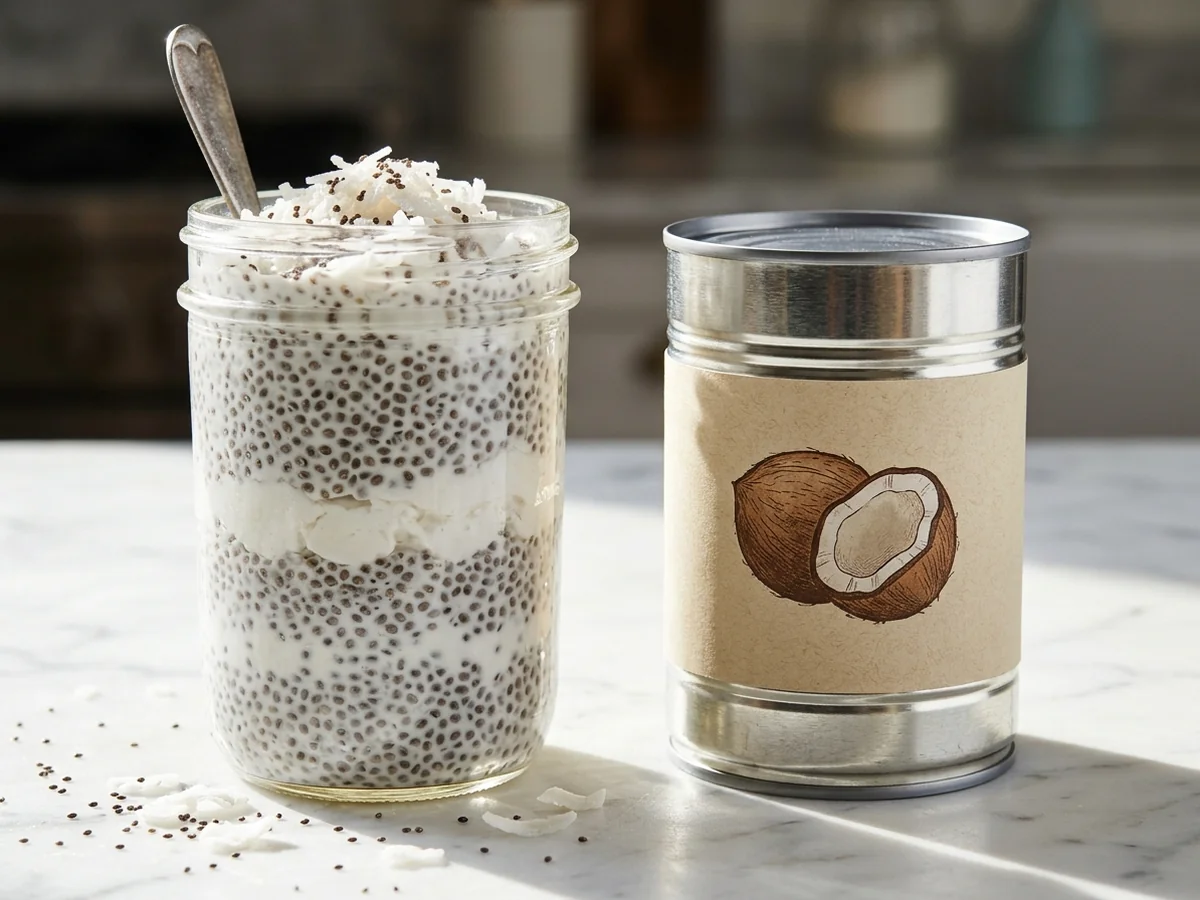
Achieving the right consistency for your coconut chia pudding starts with understanding how the base liquid interacts with the seeds. Common guidance suggests that a full 14-ounce or 13.66-ounce can of canned coconut milk can be used as the base liquid for a rich texture. Canned coconut milk provides a thick, creamy foundation compared to carton varieties because of its high fat content from coconut cream, which absorbs liquid differently than dairy or nut milks. When preparing this breakfast, managing the balance of ingredients prevents the mixture from turning out too runny or overly dense.
Managing the Ratio and Texture
Because exact seed measurements can vary depending on personal preference, adjusting the volume allows you to dial in your preferred thickness without relying on unverified measurements. Chia seeds are known for being a good source of fiber and healthy fats, which naturally help absorb the surrounding moisture and create that signature gel texture. To avoid common mistakes like clumping or a watery center, practical steps make all the difference. Letting the mixture rest for a few minutes after the initial stir and then stirring it a second time helps prevent clumping while the gelling process takes place. If you prefer a spoonable, custard-like consistency, you can slightly increase the seed volume.
Flavoring and Sweetener Options
Balancing the richness of canned coconut milk requires the right touch of sweetness and acidity. Maple syrup or honey can be used as a sweetener for coconut chia pudding to balance the richness of the milk before you chill it. For an extra layer of brightness, incorporating a honey lime flavor profile adds a refreshing citrus note that cuts through the heavy fats of the coconut. You can also experiment with a food processor if you prefer a smooth, custard-like texture instead of the traditional tapioca-like seed texture.
Storage for Grab-and-Go Mornings
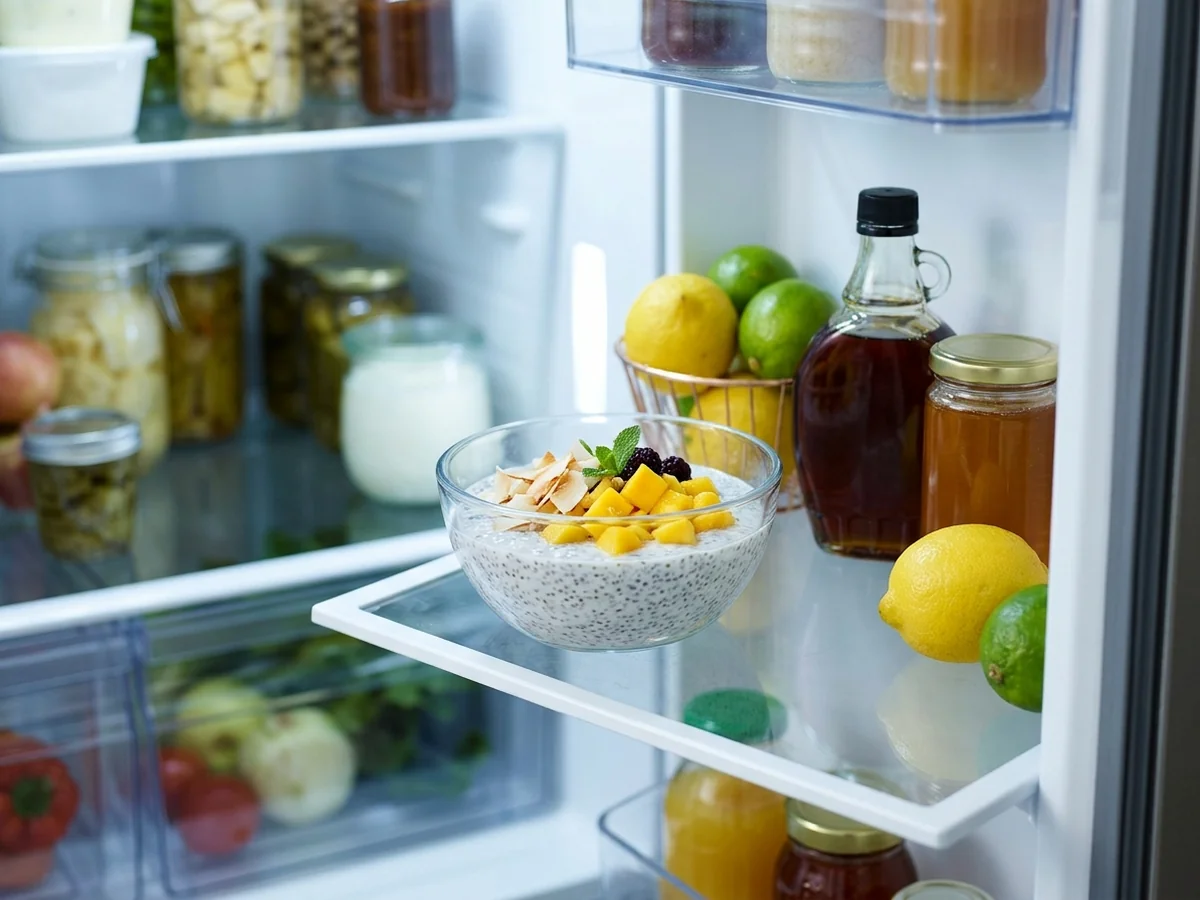
Preparing healthy breakfast meal prep options in advance makes busy mornings much simpler. Chia pudding can be stored in meal prep containers or mason jars for easy grab-and-go breakfasts. Portioning the mixture into individual jars ensures that you have a ready-to-eat snack or breakfast available throughout the week, provided you keep them sealed properly in the refrigerator.
Balancing Sweetness with Maple Syrup, Honey, and Lime
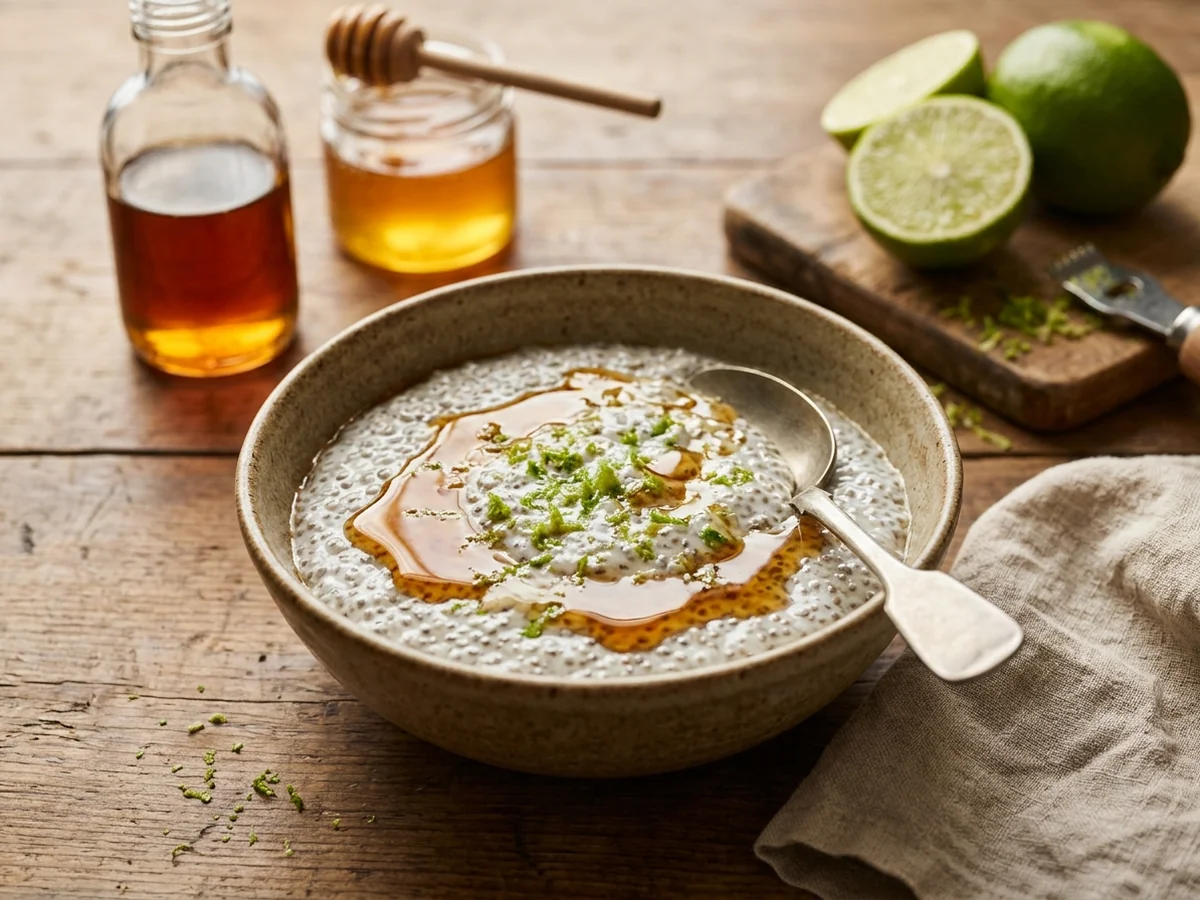
Maple syrup or honey can be used as a sweetener for coconut chia pudding. These liquid sweeteners blend seamlessly into the base without leaving grainy textures behind, allowing the natural flavors to shine through in your breakfast bowl.
Achieving the right flavor balance requires careful management of rich ingredients. Canned coconut milk provides a very dense and creamy base that can easily feel heavy on the palate if left unchecked. Introducing fresh citrus cuts through those rich fats and lifts the entire dish.
Freshly squeezed lime juice and grated zest create a sharp, aromatic counterpoint to the buttery coconut base. When preparing a honey lime chia pudding, home cooks should start by adding a small amount of citrus juice and tasting the mixture before incorporating more. This step ensures the acid does not mask the subtle floral notes of the honey or overwhelm the delicate seeds.
A common mistake when seasoning coconut chia pudding is adding too much sweetener or acid all at once. Because the thickening process mutes flavors slightly as the liquid absorbs, it is best to season the mixture in stages. Stir your chosen sweetener thoroughly into the coconut milk before adding the chia seeds to prevent clumps from forming at the bottom of your meal prep containers.
Balancing these elements transforms a simple snack into a vibrant, refreshing treat that works well for busy mornings. Adjusting the honey and lime proportions to your personal preference lets you customize the flavor profile while keeping the textures light and enjoyable.
Blending or Mixing Your Pudding
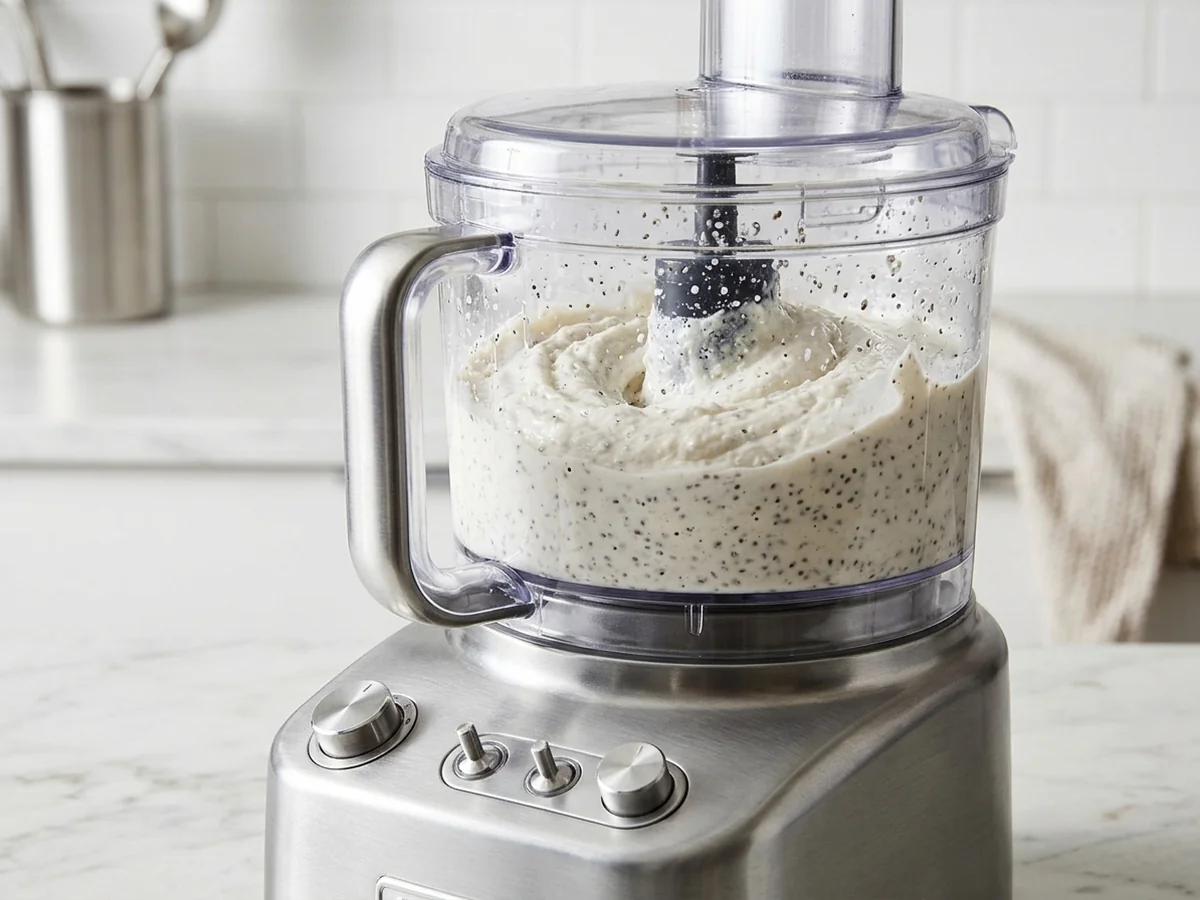
Pulsing your ingredients in a food processor transforms traditional seed pudding into a velvety, mousse-like consistency by breaking down the outer shell of the chia seeds and releasing their natural thickening mucilage. Traditional bowls often feel gelatinous or resemble tapioca, but mechanical blending creates a smooth emulsion with canned coconut milk, honey, and fresh lime juice.
Texture Comparison
Your culinary preference determines whether you should reach for kitchen appliances or stick to a simple jar spoon. Choosing a whole-seed texture results in a rustic, pop-in-your-mouth experience similar to berry jam. Running the mixture through a food processor removes the individual seed crunch entirely, yielding a silky dessert style that appeals to anyone who dislikes traditional seed textures.
The Science Behind Blending
Understanding the why behind your mixing technique helps achieve the ideal mouthfeel for your coconut chia pudding. Whole seeds absorb liquid gradually, creating a plump texture over several hours in the refrigerator. Blending breaks the seeds open immediately, which accelerates the thickening process and distributes the natural fats and fibers evenly throughout the liquid base. Because chia seeds are known for being a good source of fiber and healthy fats, blending ensures these nutrients integrate smoothly into every spoonful.
Practical Steps and Troubleshooting
Practical steps for blending require adding all ingredients to the processor bowl and pulsing in short bursts until completely smooth. A full 14-ounce or 13.66-ounce can of coconut milk can be used as the base liquid, while maple syrup or honey can be used as a sweetener for coconut chia pudding. A common mistake is over-processing the mixture until it becomes warm, which can alter the delicate flavor profile of the fresh lime juice. To avoid this, keep your canned coconut milk well chilled before blending, and pulse only until the desired creamy consistency is reached. You can easily portion this mixture into meal prep containers for easy grab-and-go breakfasts during busy mornings.
Step-by-Step Preparation and Chilling Instructions
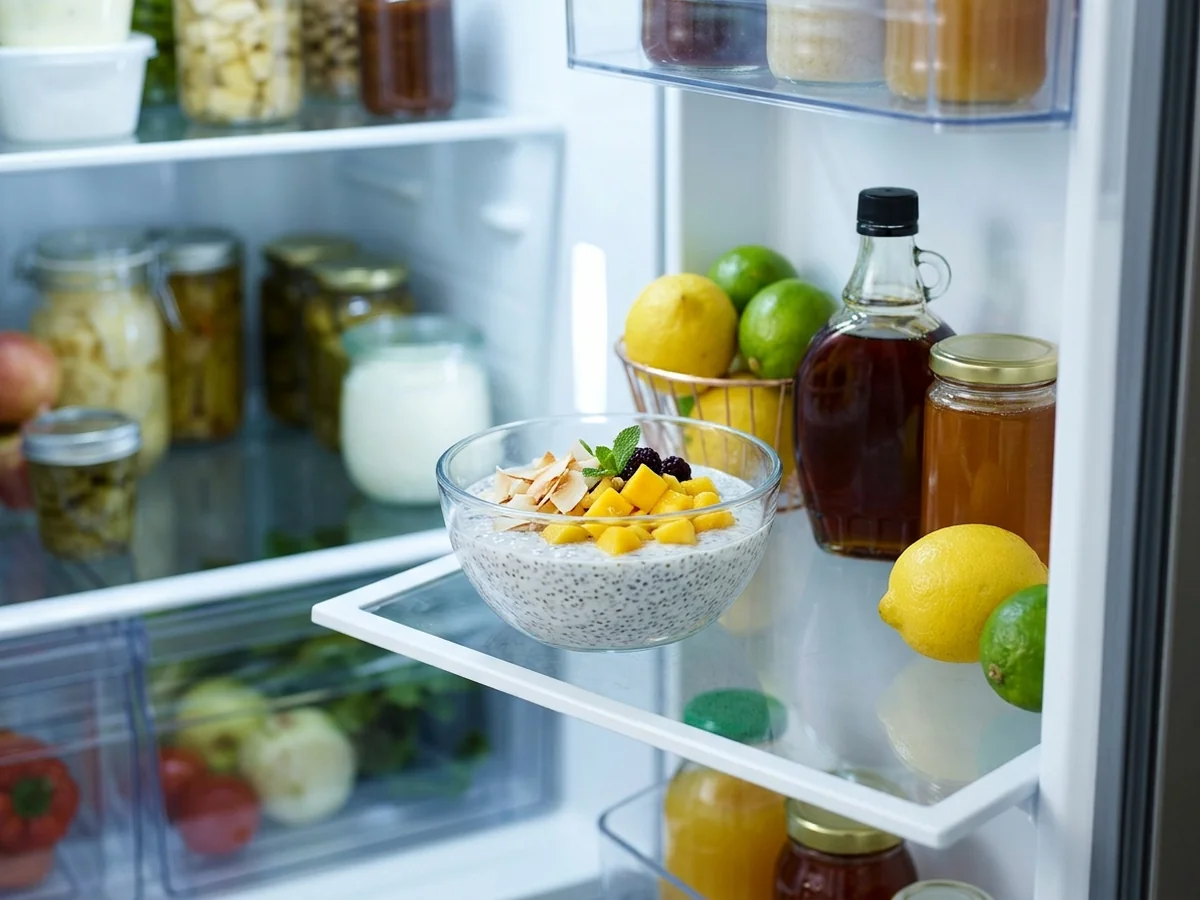
Proper gelatinization requires careful sequencing when combining your liquids, sweeteners, and citrus components before the mixture goes into the refrigerator. Building a great tropical chia seed dish starts with balancing rich fats and bright flavors. Maple syrup or honey can be used as a sweetener for this dessert, blending smoothly into the creamy base alongside fresh lime juice and zest.
Preparing this dish ahead of time makes it a staple for a healthy breakfast meal prep routine, allowing you to portion meals directly into grab-and-go containers. To achieve the best texture for your homemade dairy free treat, follow these practical steps:
- Pour your canned coconut milk into a mixing bowl or a food processor if you prefer a completely smooth texture without whole seeds. A full 14-ounce or 13.66-ounce can of coconut milk is typically used as the base liquid for this preparation.
- Whisk in your chosen sweetener and fresh lime zest until the citrus oils fully incorporate into the rich liquid base, creating a balanced citrus sweetener flavor profile.
- Add the chia seeds to the bowl and stir vigorously for about one minute to prevent any clumping from forming at the bottom of the container.
- Let the mixture sit on the counter for ten minutes so the seeds begin absorbing the liquid before you give it one final stir to redistribute any settling seeds.
- Cover the container securely and transfer it to the refrigerator to chill for at least four hours or overnight until it reaches a thick, scoopable consistency.
Common mistakes during preparation usually involve skipping the ten-minute counter rest, which leads to uneven thickening and dense clumps of seeds at the bottom. Stirring the mixture twice during the early stages prevents this issue entirely. Once fully set, chia pudding can be stored in meal prep containers for easy grab-and-go breakfasts throughout the busy work week.
Fixing Watery Coconut Chia Pudding
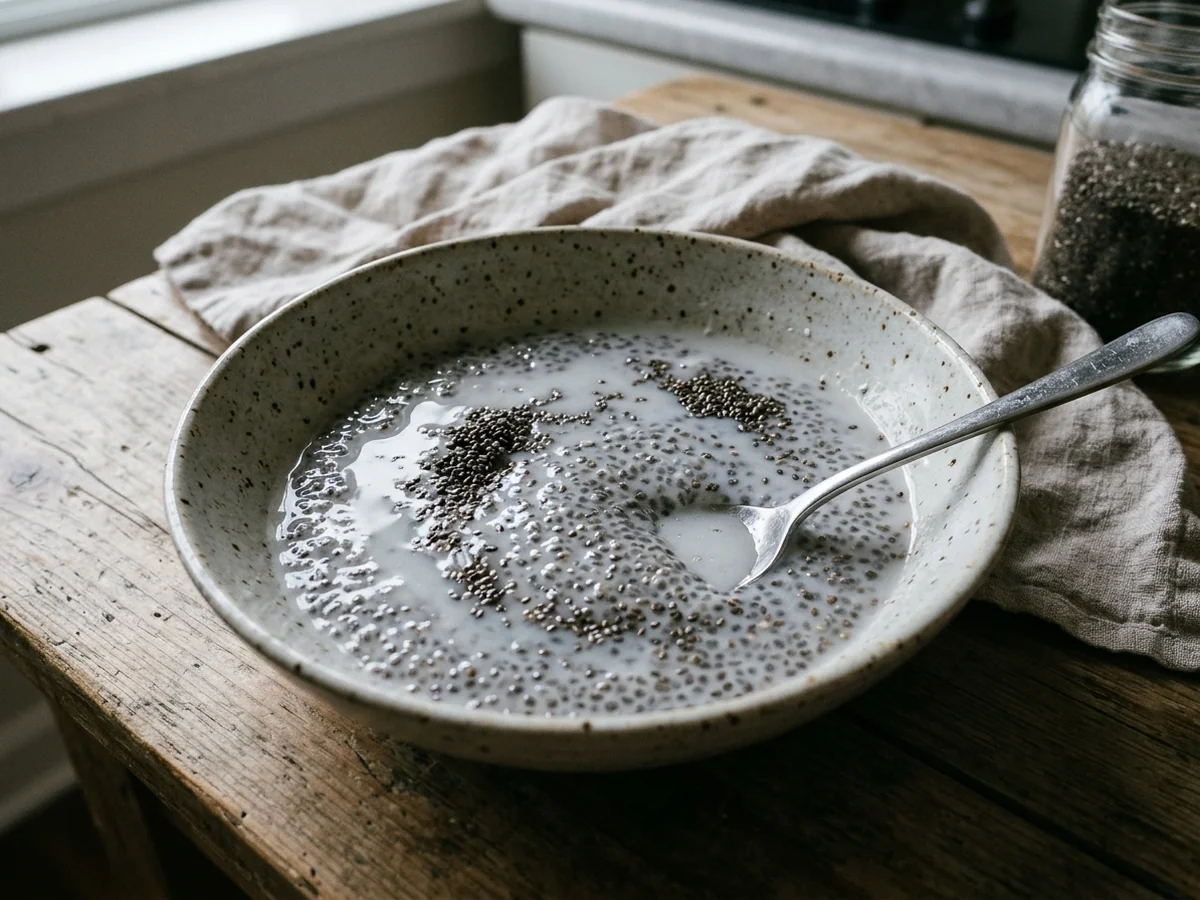
A watery batch usually happens because the chia seed to coconut milk ratio is off, or the mixture did not rest long enough to absorb the liquid. Too much milk or not enough seeds leaves your bowl swimming in excess moisture, ruining that spoonable texture you want for grab-and-go morning meals. Canned coconut milk serves as a rich base liquid, and typical practice involves using a full 14-ounce or 13.66-ounce can, but its high fat content can sometimes trick home cooks into misjudging how much thickening power the seeds actually need.
Understanding the why behind a runny jar helps you troubleshoot quickly without wasting ingredients. Chia seeds are known for being a good source of fiber and healthy fats, which allows them to absorb many times their weight in liquid. When they fail to gel, the culprit is almost always inadequate stirring or insufficient resting time.
You can easily rescue a runny coconut treat with a few practical steps:
- Stir in an extra spoonful of dry seeds to immediately absorb leftover liquid.
- Let the container sit on the counter for ten minutes after mixing so the gelling process starts right away.
- Stir the mixture thoroughly after thirty minutes in the refrigerator to break up clumps and help every seed hydrate evenly.
- Return the mason jar to the refrigerator for another few hours to let the structure fully set.
A common mistake is adding dry seeds directly into cold liquid without stirring aggressively during the first few minutes, which leads to gummy clumps surrounded by watery pools. Prevent this by whisking vigorously at the start. If your mixture accidentally turns out much too dense and thick instead, you can easily fix it by stirring in a small splash of plain water or extra milk to thin out the texture.
Morning Meal Preparation and Mason Jar Storage
Planning ahead makes morning routines effortless, and this tropical dairy-free treat fits seamlessly into a busy schedule. Preparing batches in advance keeps healthy food ready when time is tight, acting as a reliable option for work mornings or quick snacks. Because chia seeds are known for being a good source of fiber and healthy fats, getting your morning nutrition sorted ahead of time supports steady daily energy.
Mastering Chia Pudding Meal Prep
Portioning the mixture directly into mason jars works well for grab-and-go convenience. Glass containers seal tightly, which prevents spills and keeps flavors fresh in the refrigerator. Setting up several individual jars at once creates ready portions for the entire week, ensuring you always have a wholesome option available. This advance portioning routine removes the daily friction of cooking when you are rushing out the door.
Storage Best Practices for Coconut Chia Pudding
Successful meal planning requires proper storage habits to maintain food safety and flavor. Stored securely in sealed glass containers, prepared batches stay fresh for several days. Keeping the jars toward the back of the refrigerator helps maintain a consistent, cold temperature, which protects the texture of the coconut milk base. A common mistake is storing perishable dairy or plant milk mixtures on the refrigerator door, where temperature fluctuations can cause premature spoilage.
Practical Steps for Weekly Batching
For the best results during your weekly preparation, follow these practical steps:
- Whisk or blend your ingredients thoroughly in a bowl or food processor before pouring into individual jars to prevent clumps.
- Let the mixture sit for about ten to fifteen minutes after initial mixing, then stir it once more to ensure an even distribution of seeds.
- Seal the mason jars tightly and place them toward the back of the refrigerator shelves for optimal chilling.
- Add fresh toppings like fruit or extra sweeteners just before eating rather than mixing them in before storage.
When assembling your ingredients, typical kitchen guidance suggests that a full 14-ounce or 13.66-ounce can of coconut milk can be used as the base liquid for a standard batch. Maple syrup or honey can be used as a sweetener for coconut chia pudding depending on your preferred sweetness level. Storing these portions in meal prep containers provides an easy grab-and-go breakfast that requires zero morning effort.
Creative Toppings and Flavor Variations
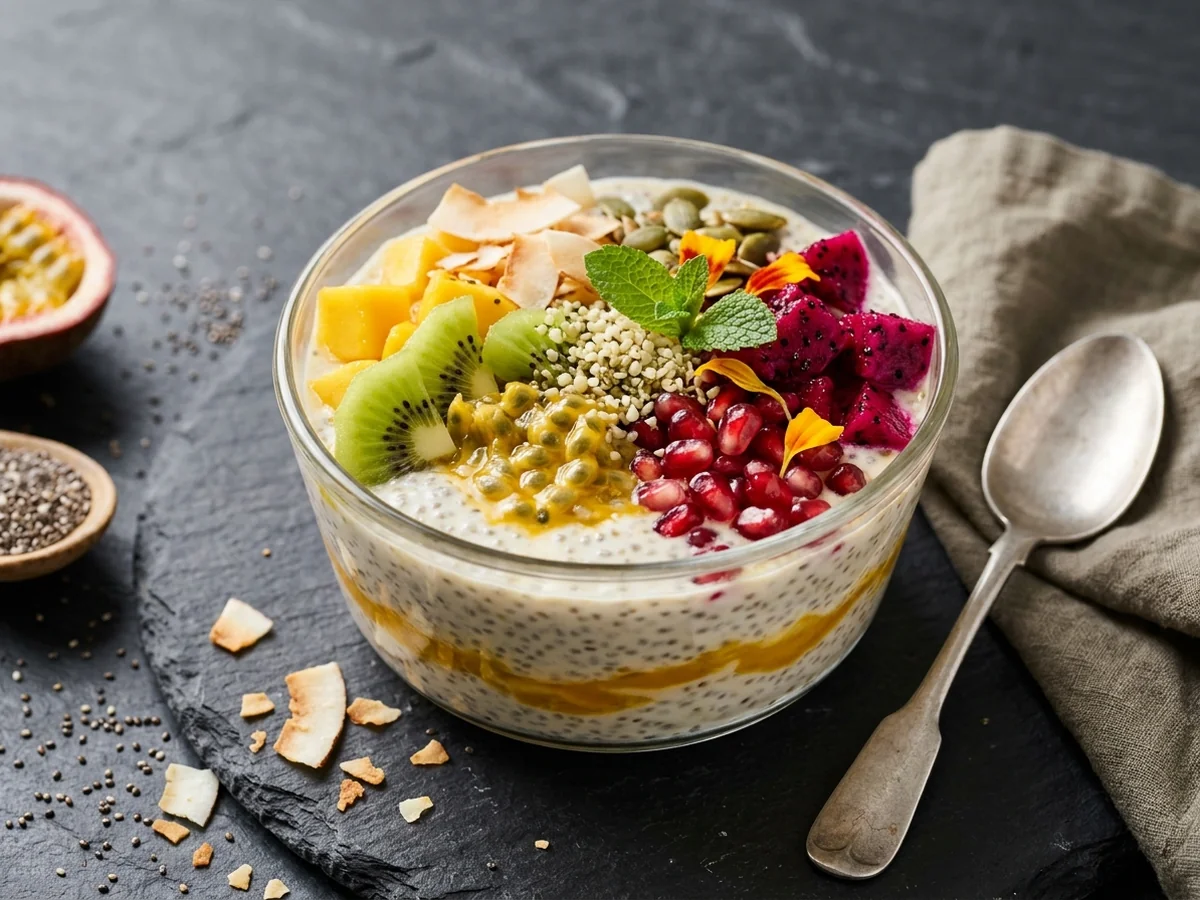
You can easily elevate this breakfast bowl by layering on fresh textures and nutrient-dense additions that complement the creamy tropical base. Simple kitchen staples transform a basic chilled treat into a vibrant morning meal. Because chia seeds are known for being a good source of fiber and healthy fats, adding wholesome toppings enhances both the nutritional profile and the overall eating experience of your tropical seed bowl.
To get the best results, consider why certain flavor combinations work and how to avoid common pitfalls. Rich canned coconut milk can sometimes feel heavy on the palate, so introducing bright elements prevents the dish from tasting overly rich. A common mistake is piling on heavy wet ingredients right before storing, which makes the base soggy. Instead, add fresh components just before serving to keep every bite distinct and texturally pleasing.
Balancing Richness with Bright Citrus
The secret to a well-balanced bowl lies in contrasting the thick, creamy nature of full fat canned coconut milk with sharp, refreshing accents. When you use a full 14-ounce or 13.66-ounce can of coconut milk as the base liquid, the resulting texture is wonderfully decadent, but it benefits greatly from a hit of acidity. Grating fresh lime zest directly over the surface or stirring in a small splash of lime juice cuts through the richness and wakes up your taste buds.
Natural Sweetener Options
Adjusting the sweetness level is entirely flexible depending on your personal palate and dietary goals. Maple syrup or honey can be used as a sweetener for coconut chia seed pudding, allowing you to fine tune the flavor profile to match your preference. Honey pairs exceptionally well with lime if you are leaning toward a bright, citrus-forward variation. Stir your chosen sweetener directly into the liquid base before letting it set so it dissolves evenly throughout every bite.
Texture and Crunch Strategies
Building a great breakfast bowl is all about the contrast between the soft, gel-like pudding and crisp toppings. Chia pudding can typically be stored in meal prep containers for easy grab-and-go breakfasts, but you should always pack your crunchy toppings separately until you are ready to eat. Consider these popular finishing touches for your bowl:
- Fresh tropical fruits like diced mango, kiwi, or pineapple add a bright, juicy contrast to the rich dairy-free milk.
- Toasted coconut flakes bring a nutty crunch and enhance the underlying tropical aroma of the dish.
- Crushed almonds, pecans, or macadamia nuts introduce a satisfying bite alongside healthy fats.
- Extra lime zest grated directly over the surface sharpens the citrus profile and wakes up the palate.
- Unflavored or vanilla protein powder stirred into the liquid base boosts your daily protein intake without altering the tropical flavor.
- Maple syrup or honey can be used as a sweetener for this chilled treat, allowing you to fine tune the sweetness level to match your preference.
Nutritional Value and Preparation Guide
This tropical breakfast bowl is a healthy choice for anyone looking to add more nutritious options to their morning routine. According to research published by the National Institutes of Health, chia seeds are known for being a good source of fiber and healthy fats. This breakfast option provides steady energy and keeps you full throughout the morning, making it a popular choice for health conscious individuals.
Balancing Ingredients and Texture
Getting the right consistency relies on a balanced liquid ratio. Common guidance suggests that a full fourteen-ounce or thirteen-point-six-six-ounce can of coconut milk can be used as the base liquid, combined with enough seeds to absorb the moisture during chilling. Because canned coconut milk is rich, you can use maple syrup or honey as a sweetener to balance out the flavor. For those who prefer a smoother texture instead of the traditional gel, a food processor can be used to blend the mixture before chilling.
Meal Prep and Storage Methods
This dish can be stored in meal prep containers for easy grab-and-go breakfasts during busy weeks. Mason jars and airtight containers keep the mixture fresh for several days in the refrigerator. This makes it an ideal morning meal prep option when you need to save time in the morning.
Flavor Variations and Toppings
You can finish your portions with fresh fruit, toasted coconut flakes, or a drizzle of honey lime sauce right before serving. The bright acidity of lime juice paired with honey cuts through the richness of the coconut base, creating a refreshing flavor profile for your daily preparation.
Frequently Asked Questions
Is coconut chia seed pudding healthy?
This tropical treat offers strong nutritional benefits because chia seeds are known for being a good source of fiber and healthy fats. It fits well into a balanced diet, providing lasting satiety and important plant-based nutrients.
What is the ratio of chia seeds to coconut milk?
Common guidance suggests using a full canned coconut milk base combined with an appropriate amount of seeds to achieve a thick texture. Measuring carefully prevents the mixture from turning out too runny or too paste-like.
How do you store chia pudding for meal prep?
Chia pudding can be stored in meal prep containers for easy grab-and-go breakfasts. Airtight glass jars keep the portions fresh in the refrigerator for up to five days.
What are the best toppings for coconut chia pudding?
Fresh berries, toasted coconut flakes, and citrus zest complement the tropical flavor profile. You can also add extra sweetener or a splash of citrus juice just before eating.
Conclusion
Making a bright citrus dessert or breakfast at home requires very little effort, combining rich canned coconut milk with sweet honey and tart lime juice for a vibrant flavor profile. Chia seeds are known for being a good source of fiber and healthy fats, and maple syrup or honey can be used as a sweetener for this dairy-free treat. Give this refreshing dish a try during your next weekly meal prep to streamline busy mornings with a ready-to-eat breakfast.
Sources: help.wi.mit.edu, pmc.ncbi.nlm.nih.gov
You might also like: Blueberry Lemon Overnight Oats with chia