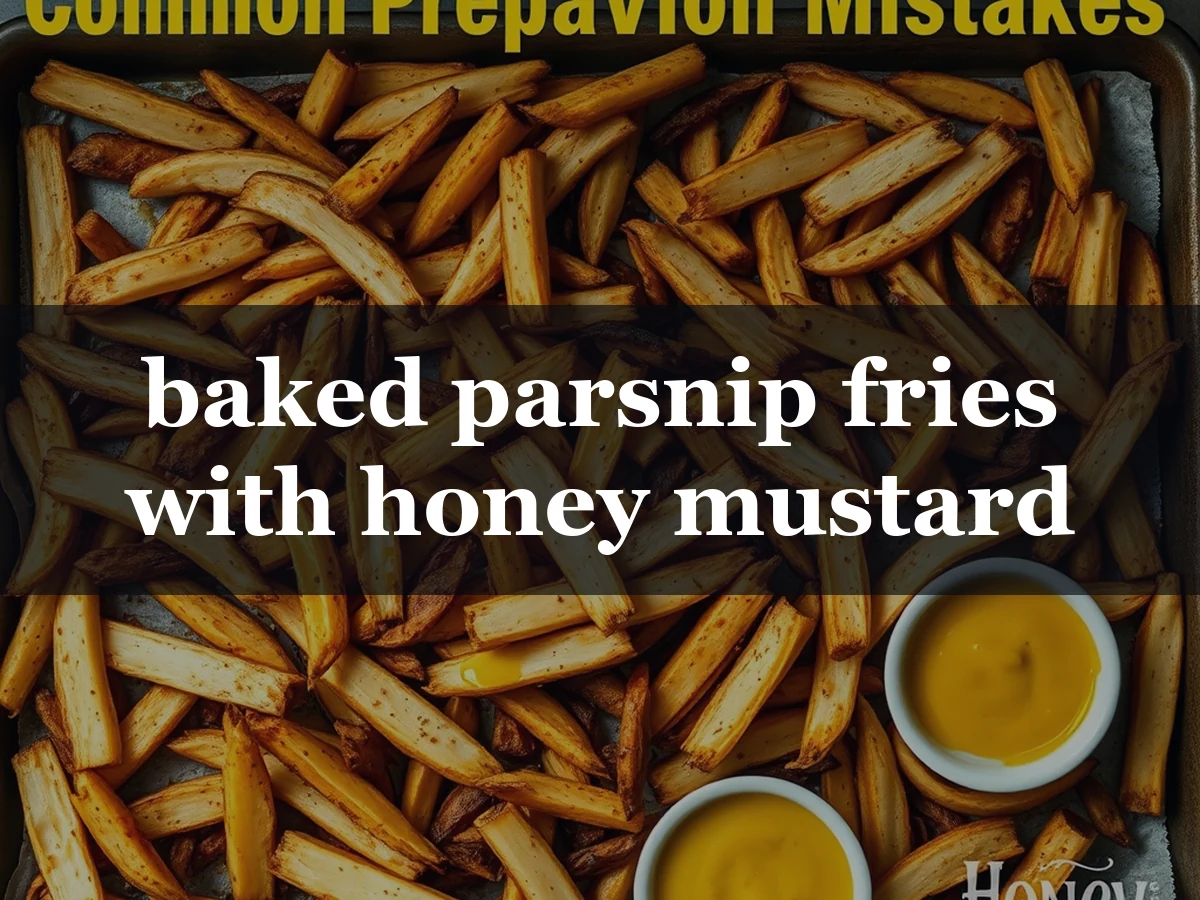
baked parsnip fries with honey mustard
Introduction
You can create delicious, crispy baked parsnip fries with honey mustard by roasting seasoned root vegetables until they reach a golden brown finish. This flavorful combination relies on a balance of earthy sweetness from the parsnips paired with a zesty, homemade dipping sauce.
This article covers the essential techniques for preparing root vegetables to achieve the ideal texture, including tips for crispiness and even roasting. You will also learn how to craft a healthy honey mustard dipping sauce, with optional variations like curry powder to elevate the flavor profile. Whether you use a standard oven or an air fryer, this guide provides the necessary steps to turn simple ingredients into a satisfying, nutrient dense side dish.
Ingredients for Parsnip Fries
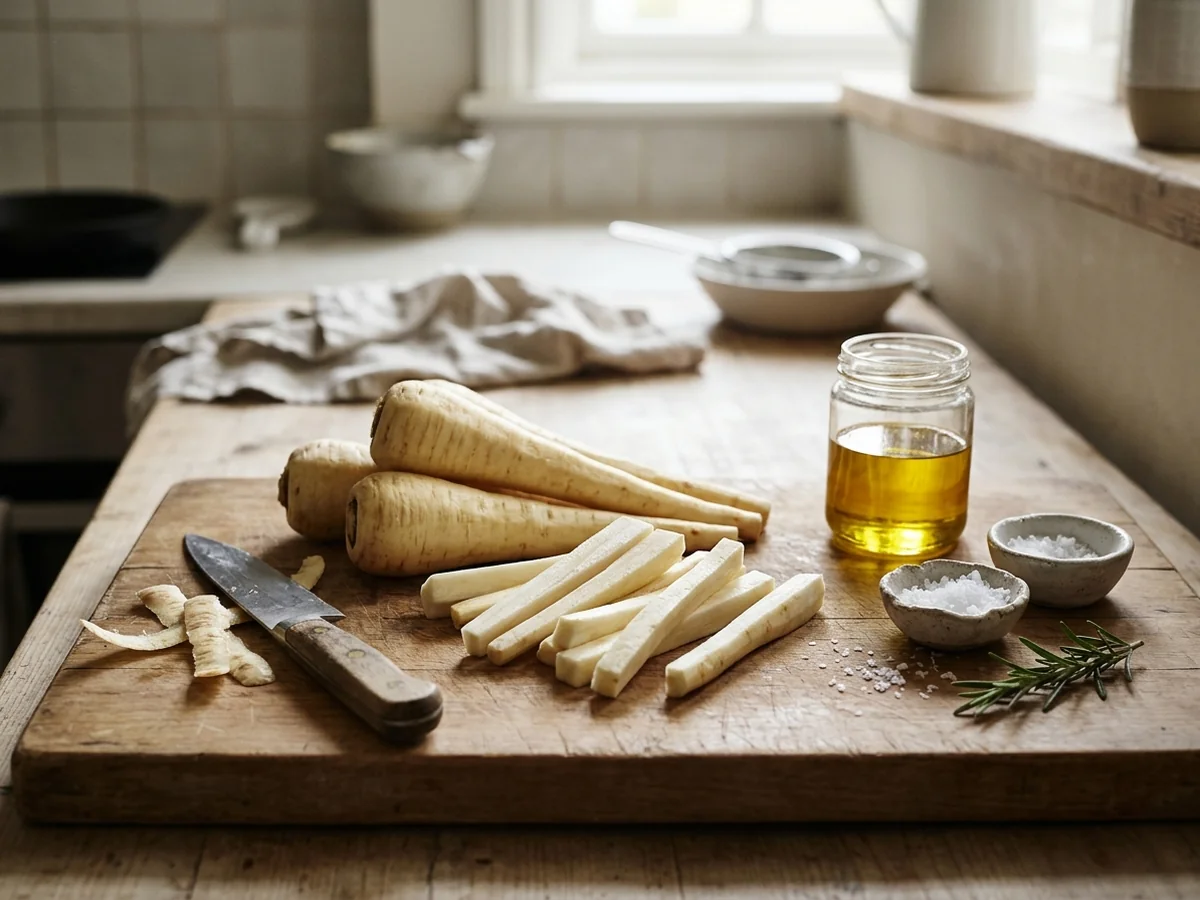
To create crispy, nutrient-dense vegetable sticks, you need fresh, firm parsnips, a quality fat for roasting, and basic pantry seasonings. Parsnips serve as an excellent alternative to standard potatoes because they provide a slightly sweet, earthy profile that caramelizes beautifully in the oven.
For the dipping sauce, you will need a few simple staples that create a balanced, tangy profile. While recipes vary, common practice for a curry-infused version includes mixing mayonnaise with honey and Dijon mustard, then adding curry powder, smoked paprika, and cayenne pepper for depth.
- Firm, medium-sized parsnips
- Extra virgin olive oil
- Sea salt and cracked black pepper
- Mayonnaise or Greek yogurt base
- Honey
- Dijon mustard
- Spices: curry powder, smoked paprika, and cayenne
Selecting the right parsnips is the first step toward achieving a satisfying texture. Smaller to medium-sized roots are generally preferred because they have a tender core and contain less woody fiber than larger, older specimens. When preparing these root vegetables, peel the outer skin thoroughly and trim the woody ends to ensure your sticks have a consistent bite.
You can use a standard sheet pan or a convection oven to roast these vegetables. While many home cooks rely on traditional roasting temperatures, common guidance for baked vegetable strips often suggests using high heat to encourage browning. If you use an air fryer, typical practice often involves setting the temperature to 380 degrees Fahrenheit for efficient, even cooking.
Unlike potatoes, which often require a soak in cold water to remove excess starch before roasting, parsnips can be tossed directly with oil and seasonings. Keeping the sticks uniform in size is the most important factor for even cooking. Once your vegetables are lightly coated in oil and arranged in a single layer, they are ready for the oven.
Pairing these roasted sticks with a tangy homemade dip provides a punch of flavor that complements the natural sweetness of the parsnips. By swapping out traditional tubers, you elevate a simple snack into a nutrient-dense option that keeps your meal prep interesting without sacrificing the satisfying crunch of a classic side dish.
How to Prepare Parsnips
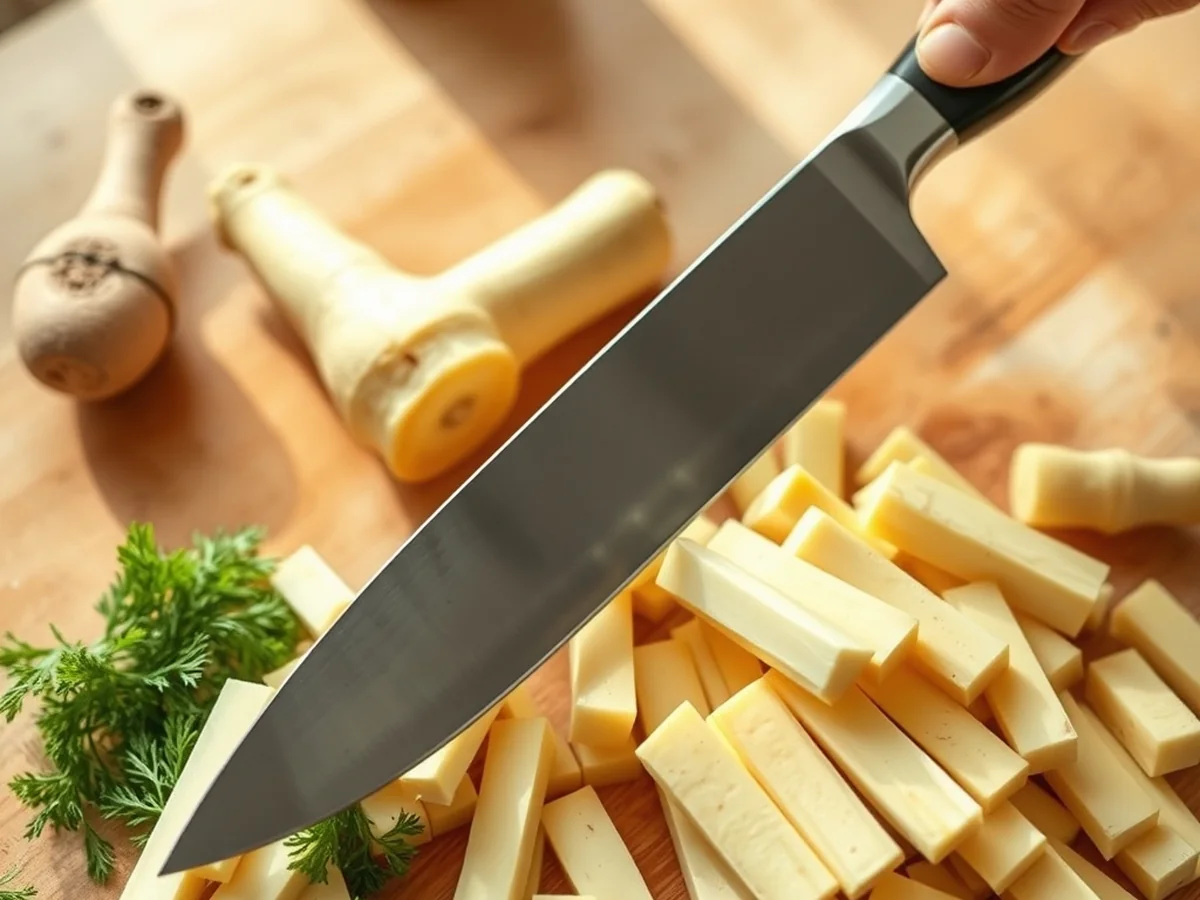
Preparing parsnips for your oven baked parsnip fries recipe begins with selecting firm, fresh roots. Look for parsnips that feel heavy for their size and firm to the touch, similar to a fresh carrot. Avoid any roots that appear limp, shriveled, or have soft spots, as these lack the moisture balance required for crispy baked vegetable fries. When comparing parsnip vs potato nutrition, parsnips offer a unique, earthy sweetness that works exceptionally well as a root vegetable alternative to standard potatoes.
Mastering the Knife Work
Consistency in your knife work is the secret to a perfect batch. Use a sharp chef’s knife to trim away the woody ends and peel the skin, then slice the parsnips into sticks of equal thickness. If some pieces are significantly thicker than others, they will remain soft in the center while the thinner pieces burn. Aim for a standard width that allows them to cook through simultaneously on your sheet pan.
When you are ready to cook, common practice for baked fries often involves high heat, such as 425 degrees Fahrenheit for 45 to 50 minutes, to encourage browning.
The Importance of Removing Starch
Soaking your sliced root vegetables in cold water is a common step used to remove excess surface starch. While parsnips contain less starch than potatoes, a short soak still helps in achieving a better texture by preventing the pieces from sticking together. Follow these steps for best results:
- Place the cut parsnip sticks into a large bowl filled with cold water.
- Let them soak for at least 20 to 30 minutes to draw out surface starches.
- Drain the water thoroughly and pat the pieces completely dry with a clean kitchen towel before seasoning.
Achieving the Perfect Crunch
Moisture is the enemy of crispiness, so never skip the drying step. Excess water on the surface creates steam, which prevents the edges from browning properly in your convection oven. Once your parsnips are bone-dry, toss them lightly with your preferred oil, keeping the culinary smoke point in mind to avoid off-flavors. While oven roasting is traditional, some prefer the speed of an air fryer.
Guidance often suggests air frying at 380 degrees Fahrenheit for masala-style fries, which is a great way to experiment with spices like curry powder, smoked paprika, and cayenne pepper. When you serve your fries with a healthy honey mustard dipping sauce, containing Dijon mustard, honey, and a touch of mayonnaise, you ensure that every bite offers the ideal balance of a tender interior and a golden, flavorful exterior.
Baking Your Parsnip Fries
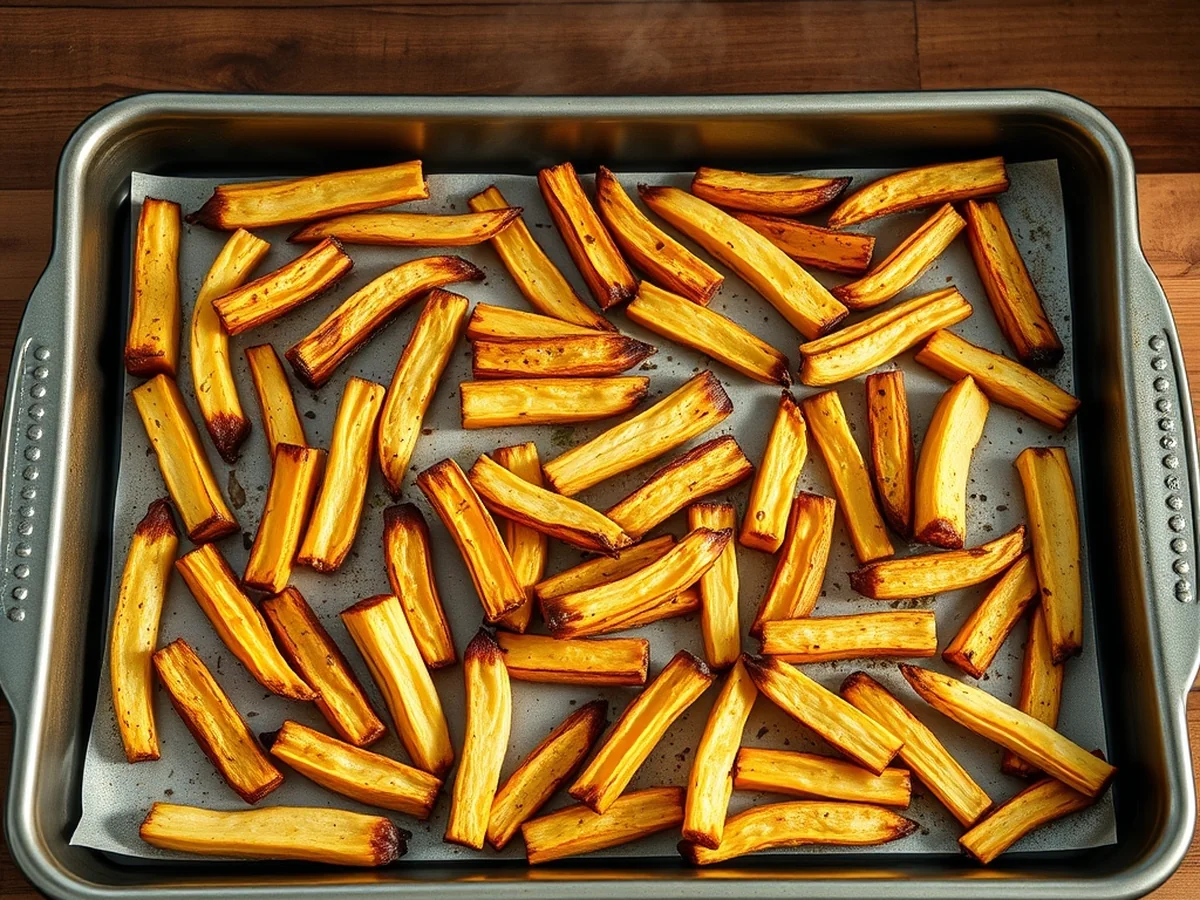
Achieving the perfect texture for your parsnip fries relies on how you manage moisture and heat. Whether you follow an oven baked parsnip fries recipe or use a countertop air fryer, the goal is to drive out surface water to promote browning. Root vegetables like parsnips contain natural sugars that caramelize under high heat, creating a complex flavor profile that pairs beautifully with a healthy honey mustard dipping sauce.
When preparing your vegetables, consider the common practice of soaking slices in cold water before cooking. Much like preparing potato sticks, this step helps remove excess surface starch, which can otherwise lead to a gummy texture rather than the desired crisp finish. After soaking, ensure you pat the parsnips completely dry with a clean towel. Residual moisture is the enemy of crispiness, as it creates steam that softens the exterior of your fries.
| Cooking Method | Typical Temperature | Cooking Time |
|---|---|---|
| Standard Oven | 425 degrees Fahrenheit | 45 to 50 minutes |
| Air Fryer | 380 degrees Fahrenheit | Varies by thickness |
For those using a standard sheet pan, 425 degrees Fahrenheit is a common temperature guideline. This high heat allows for steady, even roasting. Arrange your strips in a single layer without overcrowding the pan. If the parsnips are too close together, they will steam in their own juices instead of roasting. When learning how to roast root vegetables, remember that convection heat in an air fryer functions differently. It circulates hot air rapidly, which often results in a more brittle, chip-like texture. The National Honey Board suggests 380 degrees Fahrenheit for air frying, particularly if you are experimenting with masala-style seasonings or other dry spices.
A frequent mistake home cooks make is failing to account for the parsnip’s sugar content. Because they are naturally sweeter than potatoes, they can burn quickly if the heat is too high or the cooking time is left unchecked. If you notice the edges darkening too rapidly, reduce the temperature or pull them from the oven early. Always select firm, medium-sized parsnips for the most consistent results, as very large specimens may have a woody core that remains tough even after prolonged roasting.
Crafting Honey Mustard Sauce
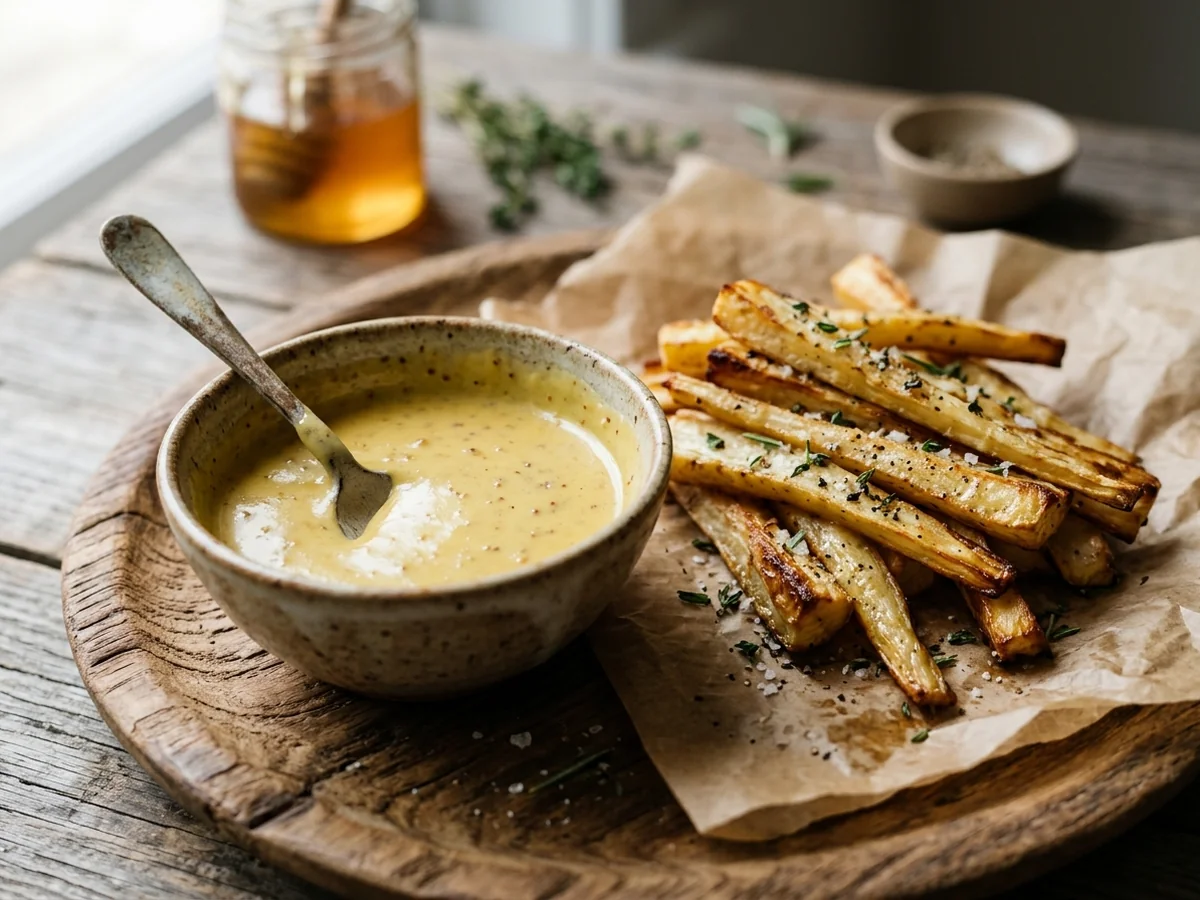
Creating a balanced dipping sauce requires balancing creamy, sweet, and tangy elements to complement your crispy baked vegetable fries. This versatile condiment acts as a perfect partner for roasted root vegetables, providing a rich contrast to the earthy flavors of parsnips or the starchiness of potatoes. By mastering a simple base, you can easily adapt the flavor profile to match your personal preferences or the specific spices used in your roasting process.
The Classic Foundation
To prepare a reliable base for your homemade honey mustard dip, you need three core components: a high-quality mayonnaise, a generous swirl of honey, and sharp Dijon mustard. The mayonnaise provides the necessary fat and emulsification for a creamy texture, while the honey introduces a natural sweetness that cuts through the bite of the mustard.
To ensure the best consistency, whisk these ingredients vigorously in a small bowl until the mixture is uniform and the honey is fully integrated. If the sauce feels too thick, a tiny drop of water or extra virgin olive oil can help reach your desired dipping consistency. Always taste as you go, adjusting the ratios of honey or mustard to suit your preference for sweet versus savory notes.
Elevating with Spices
If you want to transform your sauce into a complex accompaniment, look to your spice rack. Adding specific aromatics can turn a basic condiment into a masala-style dip that pairs beautifully with roasted root vegetables. Common culinary practice suggests incorporating a blend of curry powder, smoked paprika, and a tiny pinch of cayenne pepper.
The curry powder introduces an earthy, warm complexity, while the smoked paprika provides subtle depth and a mild, woody heat. The cayenne pepper offers a sharp, spicy kick that balances the richness of the mayonnaise. This layering technique is particularly effective for those seeking a more robust, adventurous flavor profile.
Common Preparation Tips
When preparing root vegetables to go with your dip, remember that the preparation method influences the final texture. For instance, soaking potato slices in cold water before cooking is a common step to remove excess starch, which helps achieve a crispier exterior.
When roasting root vegetables, such as potatoes or parsnips, standard guidance often suggests a temperature of 425 degrees Fahrenheit for 45 to 50 minutes. Alternatively, if you are using an air fryer, the National Honey Board suggests 380 degrees Fahrenheit is a common temperature for cooking fries. Always monitor your cooking time to avoid exceeding the culinary smoke point of your chosen oil, ensuring your fries remain flavorful and healthy.
Why Parsnips Make Better Fries
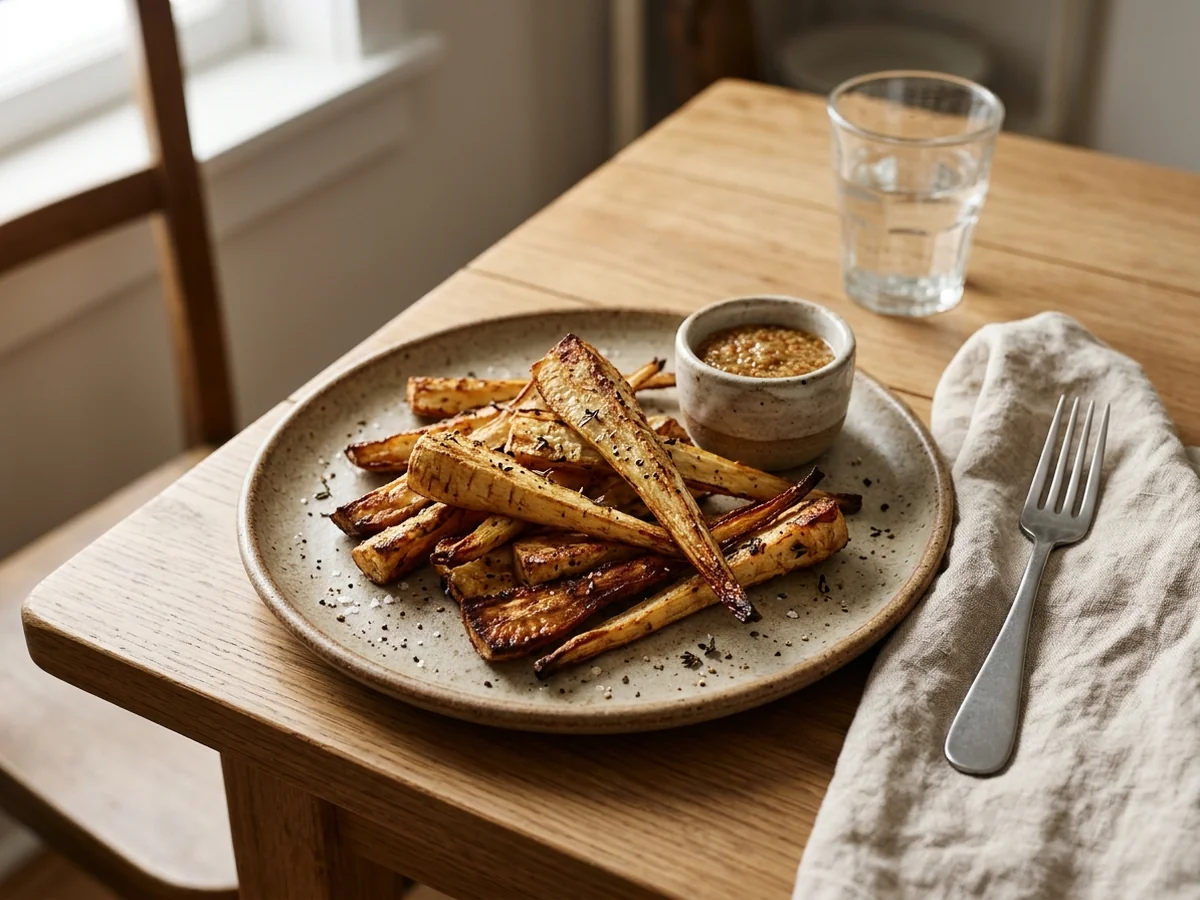
Switching from standard potatoes to parsnips for your next batch of fries introduces a sophisticated flavor profile that stands apart from typical starch-heavy sides. While a potato remains relatively neutral and relies heavily on external seasoning to stand out, a parsnip brings a natural, earthier sweetness to the plate. This profile shifts the final result from a simple salty snack to a nuanced side dish that pairs exceptionally well with a mustard and honey dipping sauce.
Understanding Parsnip vs Potato Nutrition
When comparing the two, both vegetables provide essential carbohydrates, but parsnips offer distinct fiber content and subtle floral notes. Choosing this root vegetable helps break up the monotony of standard potato dishes. Their unique texture when roasted allows for a caramelized exterior that is difficult to achieve with starchy tubers alone. Because parsnips remain firm during the high-heat cooking required for crispiness, they are a reliable choice for those looking to diversify their vegetable intake without losing the satisfaction of a handheld snack.
Mastering the Roast and Heat
To highlight the natural sugar content in parsnips, consider these seasoning strategies that balance their inherent sweetness:
- Use smoked paprika or cayenne pepper to introduce a savory heat that cuts through the sugar.
- Finish with a touch of coarse sea salt to enhance the natural profile of the roasted root.
- Incorporate earthy herbs like rosemary or thyme before placing your sheet pan in the oven.
- Avoid over-sweetening during the seasoning phase, as the vegetable already possesses a concentrated sugary finish when properly roasted.
For the best results, keep your cooking method in mind. While common guidance for baked potatoes or fries often points toward 425 degrees Fahrenheit for 45 to 50 minutes, you should monitor your parsnips closely toward the end of the timer. Because they contain more natural sugar than potatoes, they can brown faster and reach the perfect level of caramelization sooner than you might expect. If you prefer using an air fryer, common guidance suggests cooking at 380 degrees Fahrenheit for crispy baked vegetable fries, which helps manage the sugar content while ensuring a consistent texture.
Pairing With Savory Sauces
The secret to elevate your oven baked parsnip fries recipe lies in the dip. A common version of a curry honey mustard sauce includes mayonnaise, honey, Dijon mustard, curry powder, smoked paprika, and cayenne pepper. This combination provides a complex, savory contrast that highlights the natural sweetness of the parsnip. If you find your vegetable sticks are losing their edge, remember that soaking slices in cold water is a common step before cooking to remove excess surface starch, which can lead to a soggier finish. By controlling the moisture and managing your heat, you can achieve a professional quality side dish that fits perfectly into a balanced routine.
Common Preparation Mistakes
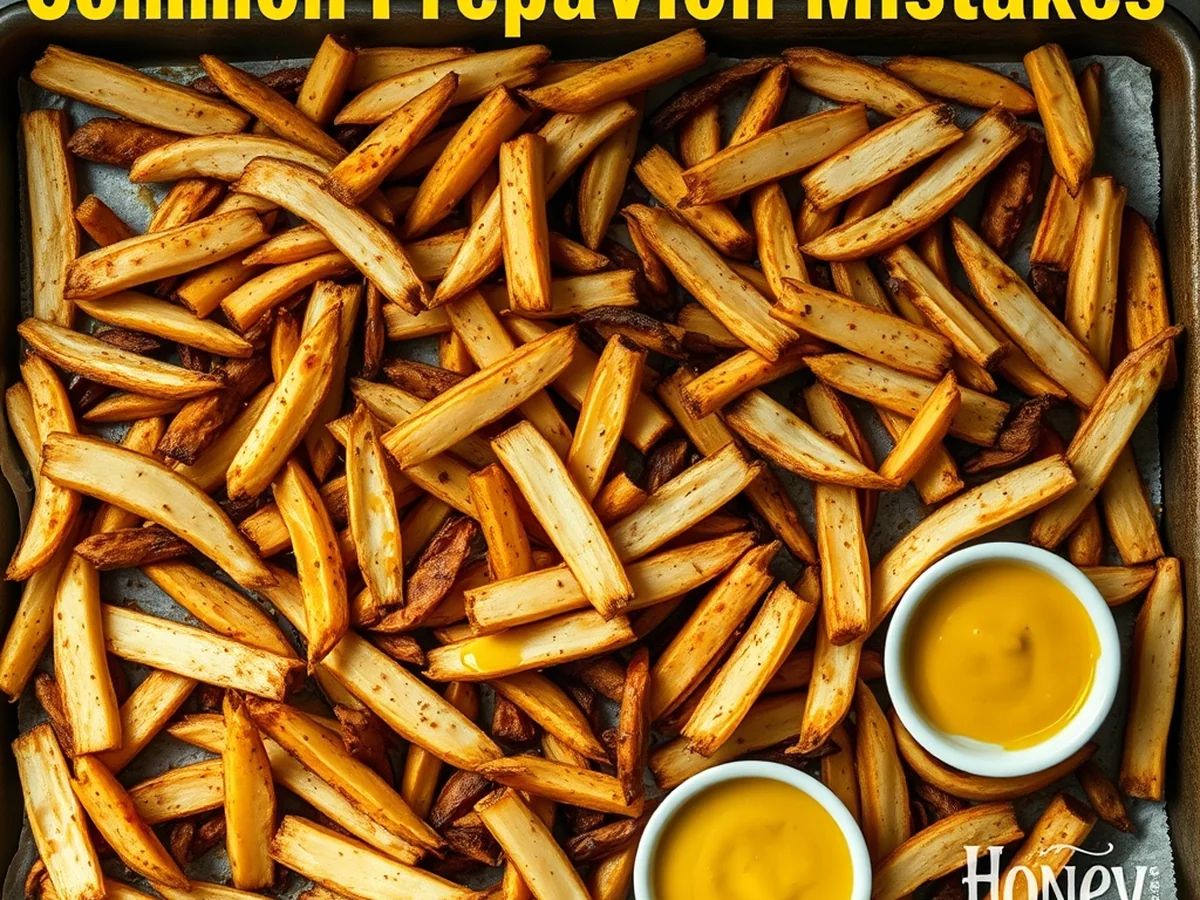
Most issues with limp or unevenly cooked vegetable sticks stem from simple errors in how you prepare the pan and the produce itself. Avoiding these missteps ensures you get the perfect crunch when serving your baked fries with honey mustard.
- Overcrowding the sheet pan causes moisture to get trapped between the pieces, which leads to steaming instead of roasting.
- Using an insufficient amount of oil prevents the heat from conducting properly, resulting in pale, undercooked surfaces.
- Skipping the drying step after washing your vegetables leaves excess surface moisture that prevents the edges from turning golden and crispy.
- Failing to soak your root vegetable slices in cold water allows excess starch to remain, which often leads to a gummy or soggy final texture.
- Selecting parsnips that are overly thick or woody makes it difficult to achieve a uniform cook across the entire batch.
When you crowd the sheet pan, the air cannot circulate freely around each piece. This traps steam, turning a potentially crisp vegetable into a soft, limp version of what you intended. Always leave enough space between your sticks so that each one has room to roast rather than stew in its own humidity. A single layer is the gold standard for achieving that desirable crunch.
Many home cooks are also too shy with the oil. You need a consistent, light coating of high-quality fat to facilitate the Maillard reaction, which is responsible for browning and flavor development. If the vegetables appear dry after tossing, add a little more oil to ensure every surface is coated. Without this, the heat will struggle to penetrate evenly, and you will miss out on the texture that makes homemade fries a satisfying side dish.
Finally, moisture is the enemy of a crisp crust. While soaking in cold water is common guidance for removing excess starch before roasting, you must ensure the pieces are thoroughly patted dry with a clean towel afterward. If the vegetables go into the oven damp, they will never achieve that signature snap. Taking the extra minute to properly prep your ingredients makes a significant difference in the final quality of your dish.
Tips for Crispy Parsnip Fries
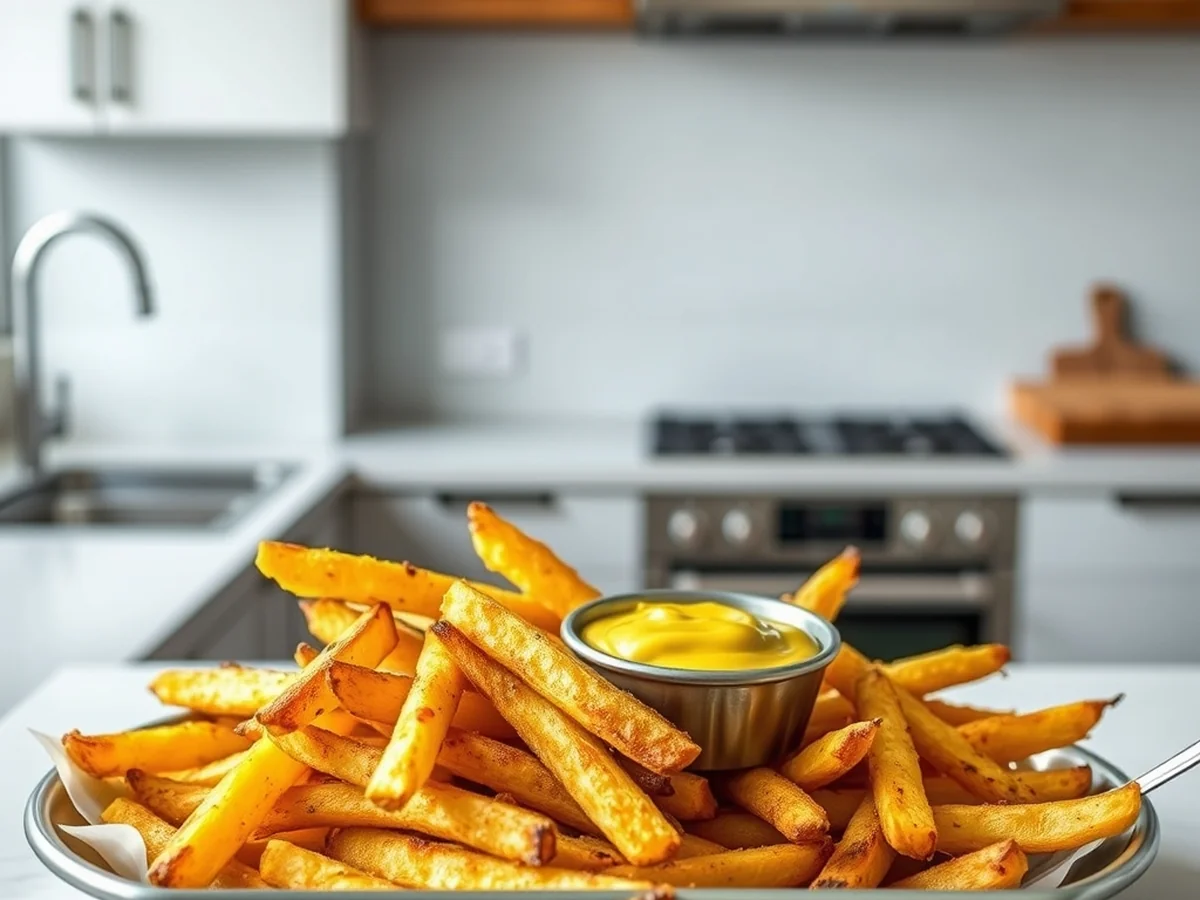
Achieving the perfect crunch with parsnips requires different techniques than those used for standard potatoes. Because parsnips have a higher natural sugar content, they caramelize quickly and can burn if the heat is too intense. When preparing your oven baked parsnip fries, the goal is to balance deep browning with a tender interior.
Mastering the Heat and Oil
Selecting the right fat is the first step toward success. You need an oil with a high culinary smoke point to handle the heat required for crisping. Refined oils like avocado or light olive oil are generally better choices than extra virgin olive oil, which can break down and produce off-flavors at high temperatures. While standard potato fries often require a temperature of 425 degrees Fahrenheit for 45 to 50 minutes, parsnips may need slightly less time or a lower heat to prevent the natural sugars from turning bitter.
Avoid overcrowding your sheet pan. When the sticks are too close together, they release steam that softens the edges instead of creating a crust. Give each piece enough room for air to circulate, which is the most effective way to ensure they crisp up evenly.
Refining Your Technique
To improve texture, consider the starch content. While soaking potato slices in cold water is a common step before cooking to remove starch, parsnips do not require this. Instead, focus on uniform cutting. Consistent thickness ensures that all pieces finish at the same time, preventing smaller sticks from burning before larger ones are cooked through.
| Method | Best For | Texture Outcome |
|---|---|---|
| Oven Roast | Large batches | Even, golden brown |
| Air Fryer | Speed and crunch | Extra crispy |
If you prefer using an air fryer, typical guidance suggests air frying at 380 degrees Fahrenheit for masala-style fries. This method effectively mimics a deep-fried texture using minimal oil.
Storage and Serving
If you have leftovers, proper storage is essential to maintain quality. Allow the vegetable sticks to cool completely to room temperature before packing them, as trapping steam inside a container will turn them soggy. Store them in an airtight container lined with a paper towel to absorb excess moisture, and they will stay fresh in the refrigerator for up to three days. To enjoy them again, reheat the sticks in a hot oven or air fryer rather than the microwave. Serve these crispy root vegetable sticks alongside a flavorful honey mustard dipping sauce, which typically includes a blend of mayonnaise, honey, Dijon mustard, curry powder, smoked paprika, and cayenne pepper for a savory, spiced finish.
FAQ
How do you make honey mustard dipping sauce?
A common approach to creating a flavorful honey mustard dipping sauce involves mixing mayonnaise with honey and Dijon mustard. Many recipes also incorporate spices like curry powder, smoked paprika, and a pinch of cayenne pepper to add depth to the flavor profile.
Can you air fry fries with seasoning?
You can certainly air fry seasoned fries, and common guidance suggests using a temperature of 380 degrees Fahrenheit for optimal results, especially when using masala-style seasonings. This method provides a quick way to achieve a crisp texture while keeping your fries with honey mustard as a convenient, protein-friendly side.
What is the recommended temperature for baking fries?
When cooking root vegetables like parsnips or potatoes in a standard oven, it is common practice to set the temperature to 425 degrees Fahrenheit. Following this temperature for 45 to 50 minutes generally allows the starches to cook through while developing a satisfying roasted exterior.
How can you make fries crispier?
Soaking your vegetable slices in cold water before cooking is a common step used to remove excess surface starch, which helps the fries crisp up effectively in the oven. Ensuring the pieces are thoroughly patted dry before tossing them in extra virgin olive oil also prevents the vegetables from steaming instead of roasting.
Are parsnips a good alternative to potatoes for fries?
Parsnips offer a slightly sweeter, earthier flavor compared to standard potatoes, making them an excellent choice for a nutritious twist on classic fries. Because they have different moisture and sugar levels, they caramelize beautifully when roasted on a sheet pan, providing a unique texture that pairs perfectly with a tangy dipping sauce.
Conclusion
The final step for achieving the perfect side dish is to serve your crispy parsnip strips immediately while they retain their texture. You can customize the flavor profile by adjusting the ratio of honey to mustard in your sauce to suit your personal preference for sweetness or tanginess. Preparing these fries with honey mustard provides a satisfying, nutrient-dense alternative to traditional starchy sides that fits easily into a balanced meal plan. Simply slice your parsnips, toss them in high-quality olive oil, and get them into the oven to start your next healthy snack.
You might also like: how to meal prep with eggs