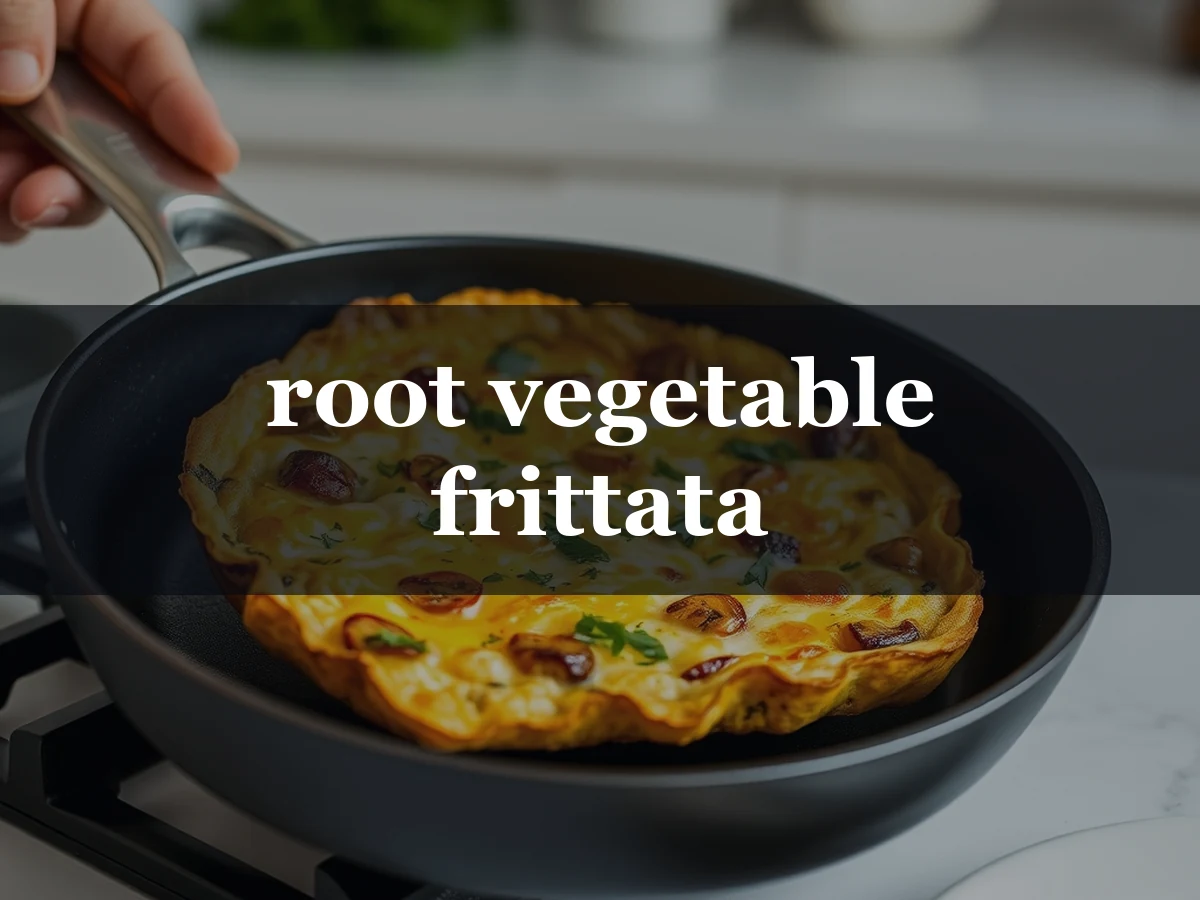
root vegetable frittata
Introduction
A root vegetable frittata is a hearty, protein-rich dish that combines roasted seasonal produce with a simple egg base. You can prepare this versatile meal for breakfast, brunch, or a quick dinner by roasting your chosen vegetables until tender before folding them into an egg mixture.
This guide covers the best techniques for selecting and roasting vegetables like sweet potatoes, carrots, and parsnips to ensure they hold their texture in the egg. You will learn the optimal oven temperature for consistent results and how to use parchment paper for easy removal from your pan. We also provide tips on testing for doneness and cooling your finished dish to keep the base from becoming soggy. Whether you are meal prepping for the week or looking for healthy egg breakfast ideas, these instructions help you master the perfect baked vegetable frittata with ease.
Best Root Vegetable Frittata
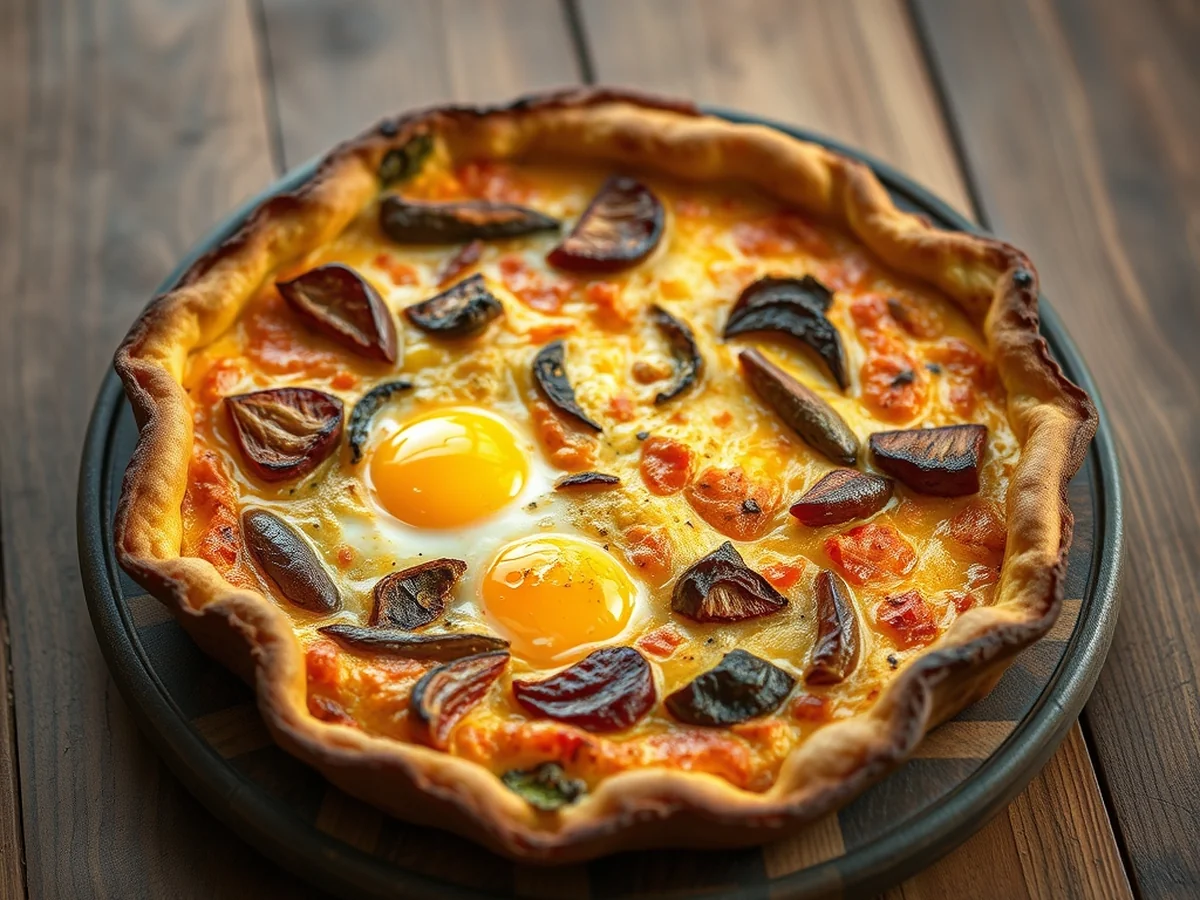
This savory dish serves as a versatile, protein-packed meal that works perfectly for breakfast, lunch, or dinner. By combining the earthy, caramelized notes of roasted produce with a light and airy egg base, you get a balanced, nutrient-dense meal that is as satisfying as it is simple to prepare.
Creating this meal relies on a few core components that bring out the best in your ingredients. Common practice suggests using a mix of hardy produce like sweet potatoes, carrots, and parsnips to provide a substantial texture. When you roast these small-cut vegetables at high heat, they typically develop a deep flavor in about 25 minutes. Culinary standards often recommend roasting at 220 degrees Celsius, or 430 degrees Fahrenheit, to achieve a perfect golden exterior before adding the egg mixture.
Beyond the produce, the foundation of a great egg-based dish lies in the whisked blend of eggs, a touch of cream or milk, cheese, and seasoning. This mixture provides the structure needed to hold the roasted vegetables in place. If you are looking for healthy egg breakfast ideas, this dish is a standout because it allows for easy customization with your favorite seasonal greens or herbs.
To ensure your final result is easy to serve and maintains its ideal texture, consider these professional tips:
- Use parchment paper with an overhang in your baking pan, which allows for effortless removal of the finished dish.
- Test for doneness by inserting a skewer into the center to ensure the eggs have fully set.
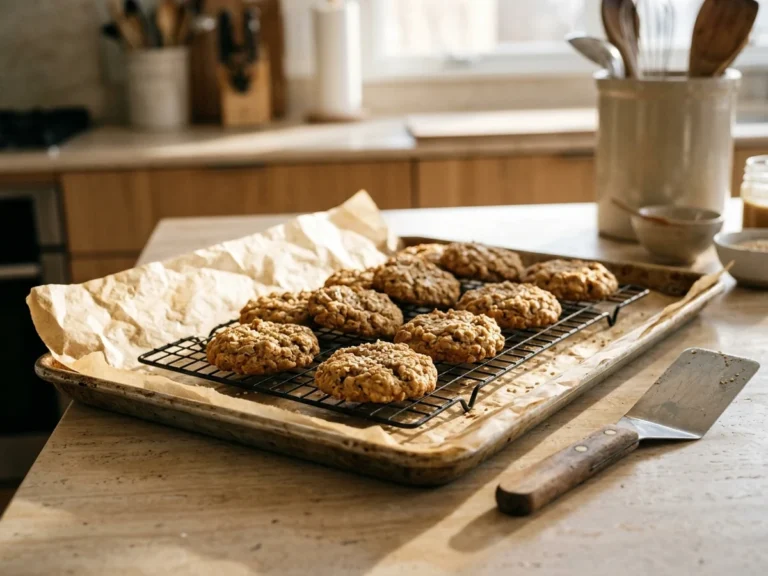
- Transfer the finished dish to a cooling rack immediately after baking, as this prevents the base from becoming soggy and keeps the texture light.
With a typical preparation time of about 15 minutes, this meal is efficient enough for a busy morning yet impressive enough for a weekend brunch. Mastering the balance between the hearty, roasted vegetables and the delicate egg custard will keep this recipe in your regular rotation.
Choosing the Best Vegetables
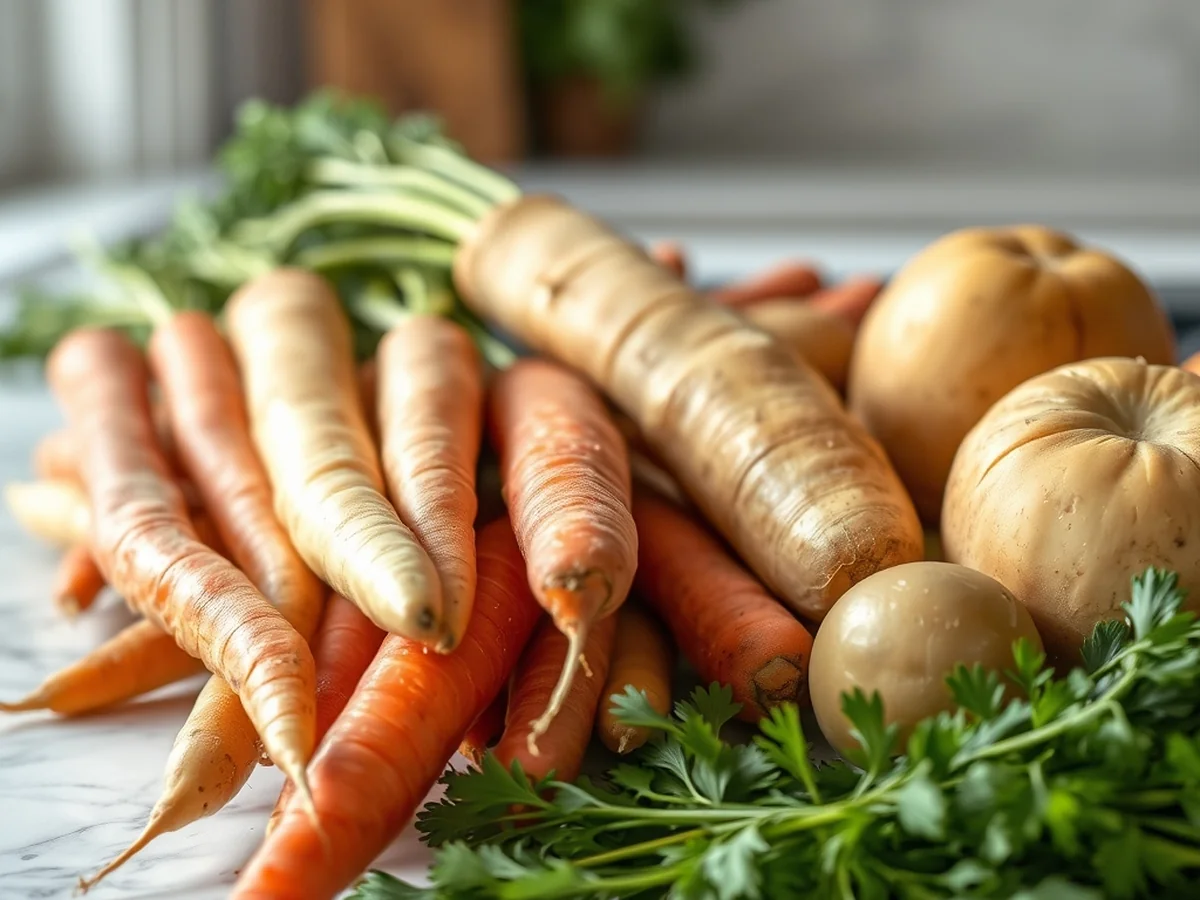
The best vegetables for egg dishes provide a balance of earthy sweetness and firm texture that complements the fluffy egg base. When preparing a root vegetable frittata, opting for dense, starchy options ensures your dish maintains structural integrity rather than becoming watery or soft after baking.
Consistency is key to a perfectly cooked meal. Slicing vegetables into uniform, bite-sized pieces allows them to roast evenly in the oven, preventing some chunks from turning mushy while others remain raw. You can achieve this by using a sharp knife to cut items into half-inch cubes or thin, consistent rounds.
When selecting your produce, consider these versatile options that hold their shape well during the cooking process:
- Sweet potatoes offer a natural sweetness and a satisfying, tender bite that pairs perfectly with savory eggs.
- Carrots provide a vibrant color and a slight crunch that remains even after being incorporated into the egg mixture.
- Parsnips bring a unique, nutty flavor profile to your meal that stands out against the richness of the cheese and dairy.
- Broccoli serves as an excellent addition for texture, as its florets soak up the flavors of the base while providing a bit of snap.
- Starchy roots work best when roasted first at high heat, typically around 220 degrees Celsius or 430 degrees Fahrenheit, to caramelize their edges.
- Uniformly sized vegetable pieces generally require approximately 25 minutes in the oven to reach the ideal level of tenderness before you add the eggs.
By pre-roasting your chosen vegetables, you remove excess moisture that could otherwise prevent your frittata from setting properly. This preparation step is a common practice among home cooks to ensure the final product has a light, firm consistency. Once the vegetables are golden and tender, they are ready to be combined with your whisked egg mixture, cream, and seasonings in a prepared skillet.
Techniques for Pre-Cooking Vegetables
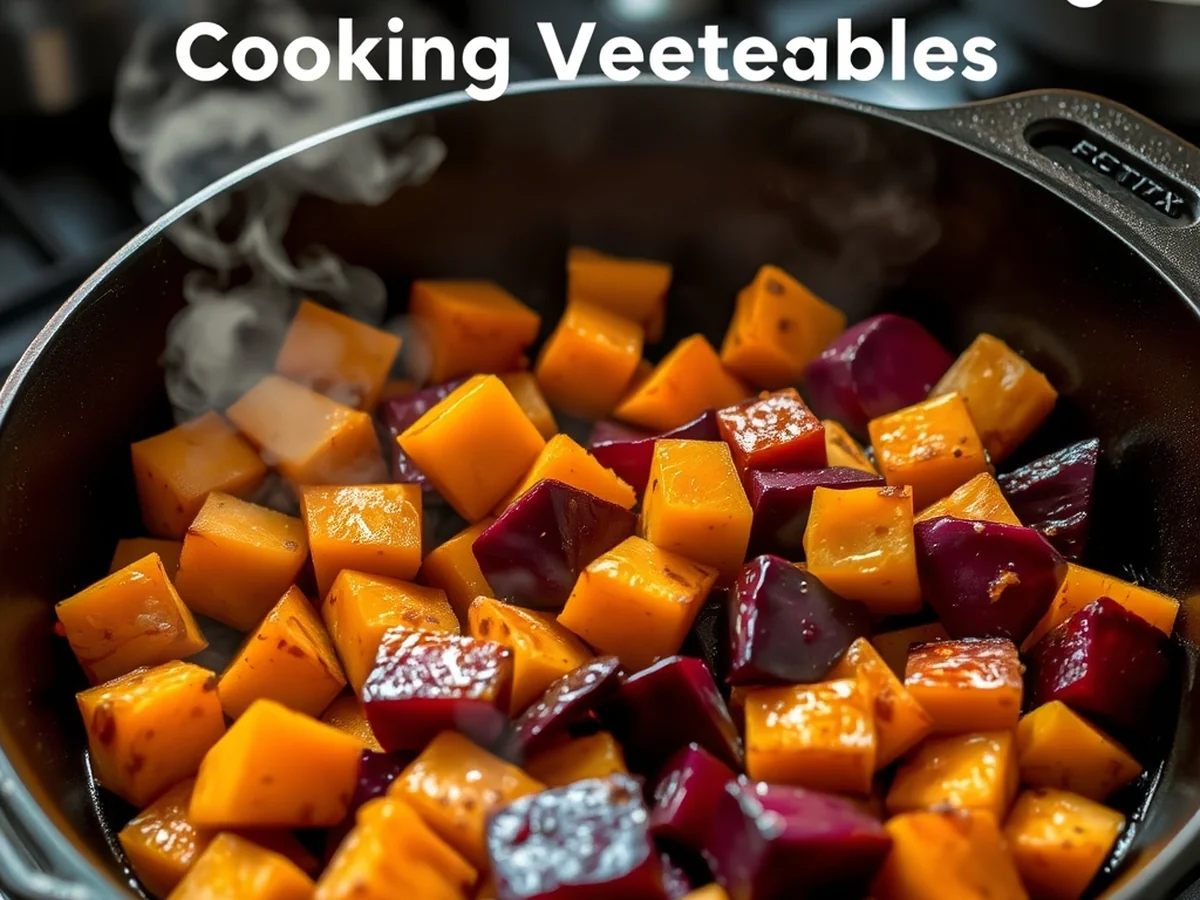
Pre-cooking your vegetables is a fundamental step for any successful root vegetable frittata. Adding raw produce to an egg mixture often leads to uneven textures, as vegetables may remain crunchy while releasing excess water that compromises the structure of the eggs. By roasting your produce beforehand, you ensure each element is tender, moisture is managed, and flavor is concentrated.
Selecting and Preparing Your Produce
Common guidance suggests that the best root vegetables for egg dishes include sweet potatoes, carrots, and parsnips, as these hold their shape well during the baking process. To master how to cook vegetables for frittata, consistency is your greatest tool. Always cut your selected vegetables into uniform, small cubes. This practice ensures that every piece finishes cooking at the same time, preventing a scenario where some bites are soft while others are underdone.
The Roasting Method
Roasting is highly effective for deepening flavor through caramelization. Common guidance suggests using a high heat setting of 220 degrees Celsius, or 430 degrees Fahrenheit, to achieve a golden exterior on your vegetables. When roasting small, uniform pieces, this process typically takes approximately 25 minutes to reach the desired level of tenderness. To ensure even results, spread your vegetable pieces in a single layer on a baking sheet. You can verify they are ready by piercing a piece with a fork before folding them into your base egg mixture, which typically consists of eggs, cream or milk, cheese, salt, and pepper.
Professional Assembly Tips
Strategic preparation makes a significant difference in the final quality of your meal. When lining your baking pan, use parchment paper with an overhang. This verified technique allows for much easier removal of the finished frittata from the pan without damaging the edges. Furthermore, avoid placing your hot pan directly on a cool surface after it leaves the oven. According to guidance from the Obama White House archives, transferring a frittata to a cooling rack after baking is essential because it prevents the base from becoming soggy. Following these baked vegetable frittata tips will help you achieve a firm, professional structure every time you prepare this meal.
Making the Frittata Base
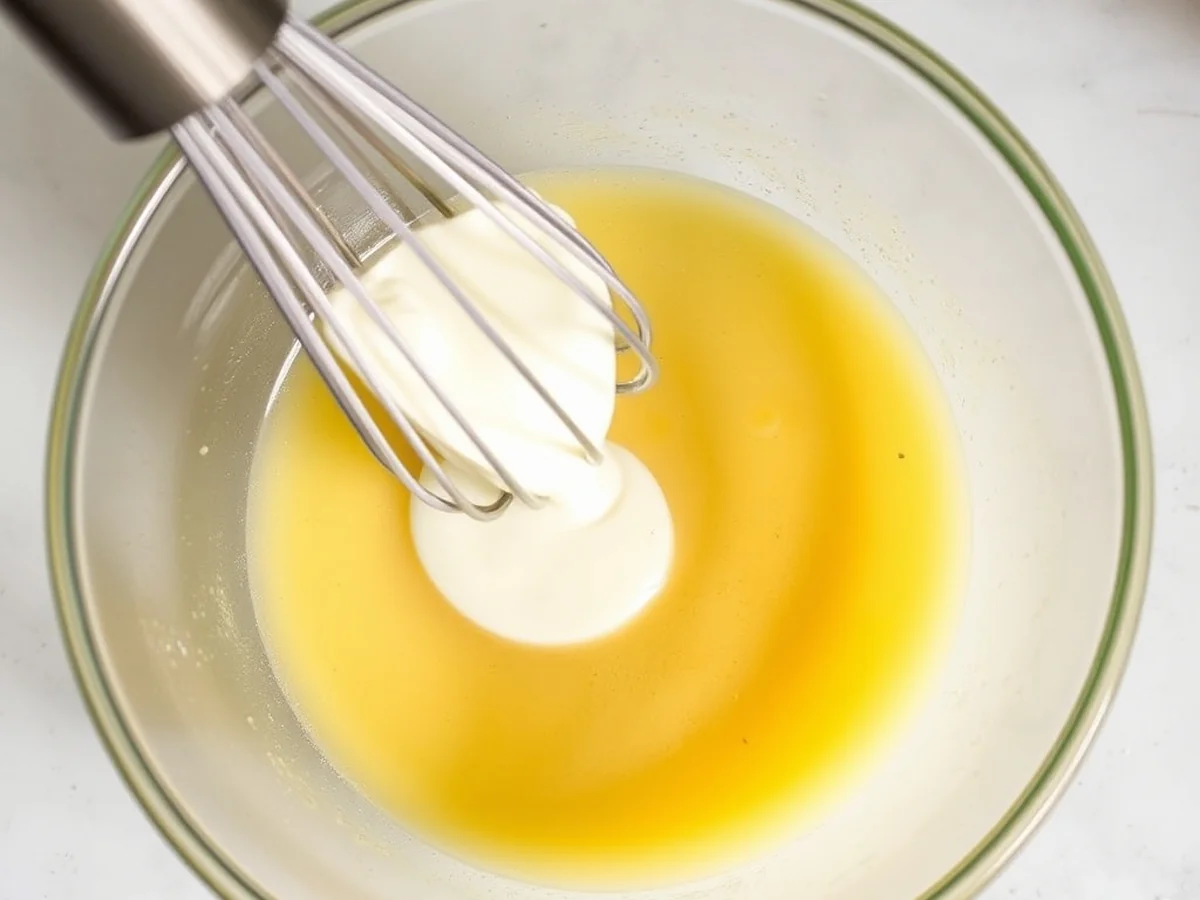
The foundation of a successful root vegetable frittata is a well-balanced egg mixture. Typical practice involves whisking eggs, a small amount of dairy, cheese, and seasoning until fully combined. Achieving the right consistency is vital for a high-protein breakfast, as improper ratios can result in a texture that is either too dense or overly soft.
Balancing Dairy and Texture
To ensure a light, manageable texture, aim for a ratio of approximately one tablespoon of milk or cream for every two eggs. This small amount of liquid helps tenderize the eggs during the baking process. If you add too much dairy, the mixture may fail to set correctly, leading to a watery result. When whisking, aim to incorporate enough air into the mixture to provide structure without creating excessive foam.
Incorporating Cheese and Seasonings
Cheese is a primary way to boost the protein content of your meal while adding necessary depth to the flavor profile. Most home cooks prefer folding shredded or crumbled hard cheeses directly into the egg base. Because many cheeses are naturally salty, always taste your mixture before adding extra salt to avoid over-seasoning. Black pepper, fresh herbs, or a pinch of dry spices can further enhance the savory notes of the vegetables.
Pro Tips for Consistent Results
Preparation techniques significantly impact the final quality of your dish. When using a baking pan, lining it with parchment paper with an overhang allows for easier removal of the finished frittata. Once the dish is removed from the oven, transferring it to a cooling rack is essential. This step allows air to circulate underneath the base, which prevents the bottom from becoming soggy as it cools.
You can test for doneness by inserting a skewer into the center of the frittata. If it comes out clean without liquid egg residue, the center is set. For those looking for an easy root vegetable frittata recipe, keep these best practices in mind:
- Whisk the eggs thoroughly to ensure the base is aerated and uniform.
- Use parchment paper to prevent sticking and simplify serving.
- Always transfer the finished dish to a cooling rack to maintain structural integrity.
- Adjust the salt content based on the type of cheese added to the mixture.
Removing Frittata From Pan
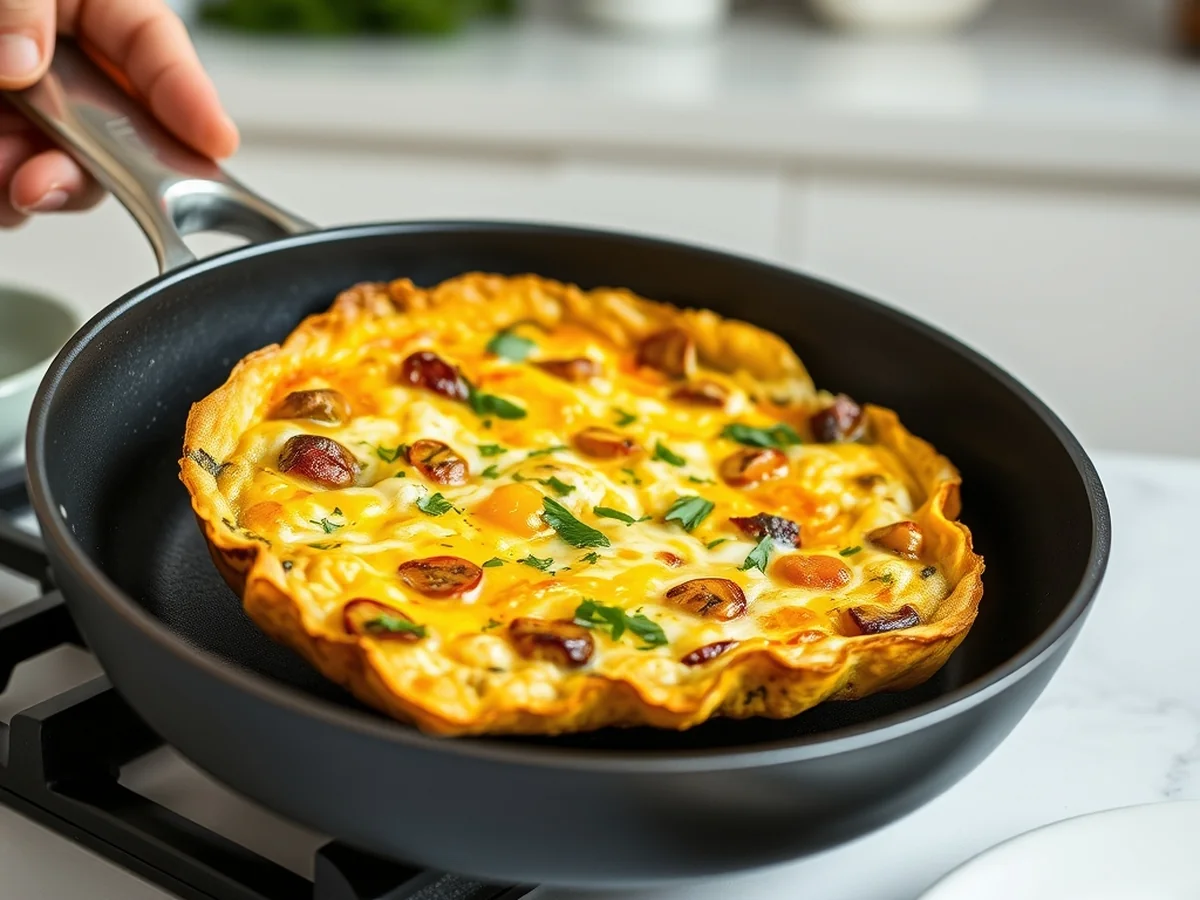
Achieving a clean release when preparing a root vegetable frittata is often the difference between an effortless meal and a frustrating cleanup. Because eggs can naturally adhere to the sides of many materials, using the right equipment and preparation techniques is vital for maintaining the structural integrity of your dish.
The most effective way to ensure a smooth removal is by using parchment paper. According to the LA County Public Health, lining your baking vessel with parchment paper and leaving enough material to create an overhang on the sides allows you to lift the entire dish out of the pan with minimal effort. This physical barrier prevents direct contact between the egg mixture and the pan, which is particularly helpful if your pan has even minor scratches or imperfections.
If you prefer to bake directly in a cast iron skillet, focus on proper seasoning. A well-seasoned skillet creates a natural non-stick surface. When using this method, ensure your pan is preheated before adding the egg mixture, as this helps the edges set immediately upon contact, reducing the chance of sticking. However, avoid common mistakes like trying to remove the dish while it is piping hot, as the structure is still fragile immediately after exiting the oven.
Once you successfully remove the frittata, proper cooling is essential to maintain its texture. As noted by the Obama White House Archives, transferring the cooked dish to a wire cooling rack immediately after baking prevents the base from becoming soggy due to trapped steam. Allowing air to circulate under the pan or directly around the bottom of the dish ensures a firm base rather than a soft, moist one.
To summarize, follow these practical steps for the best results:
- Create a parchment paper sling: Cut a piece of parchment that extends at least two inches above the rim on two opposite sides.
- Avoid over-greasing: While some oil is helpful, too much can sometimes cause the bottom to fry rather than bake, leading to uneven texture.
- Prioritize cooling: Move the dish to a rack quickly to stop the cooking process and allow moisture to escape.
- Check for doneness: Before attempting removal, confirm the center is set by inserting a skewer. If it comes out clean, the structure is stable enough to be lifted.
Testing for Proper Doneness
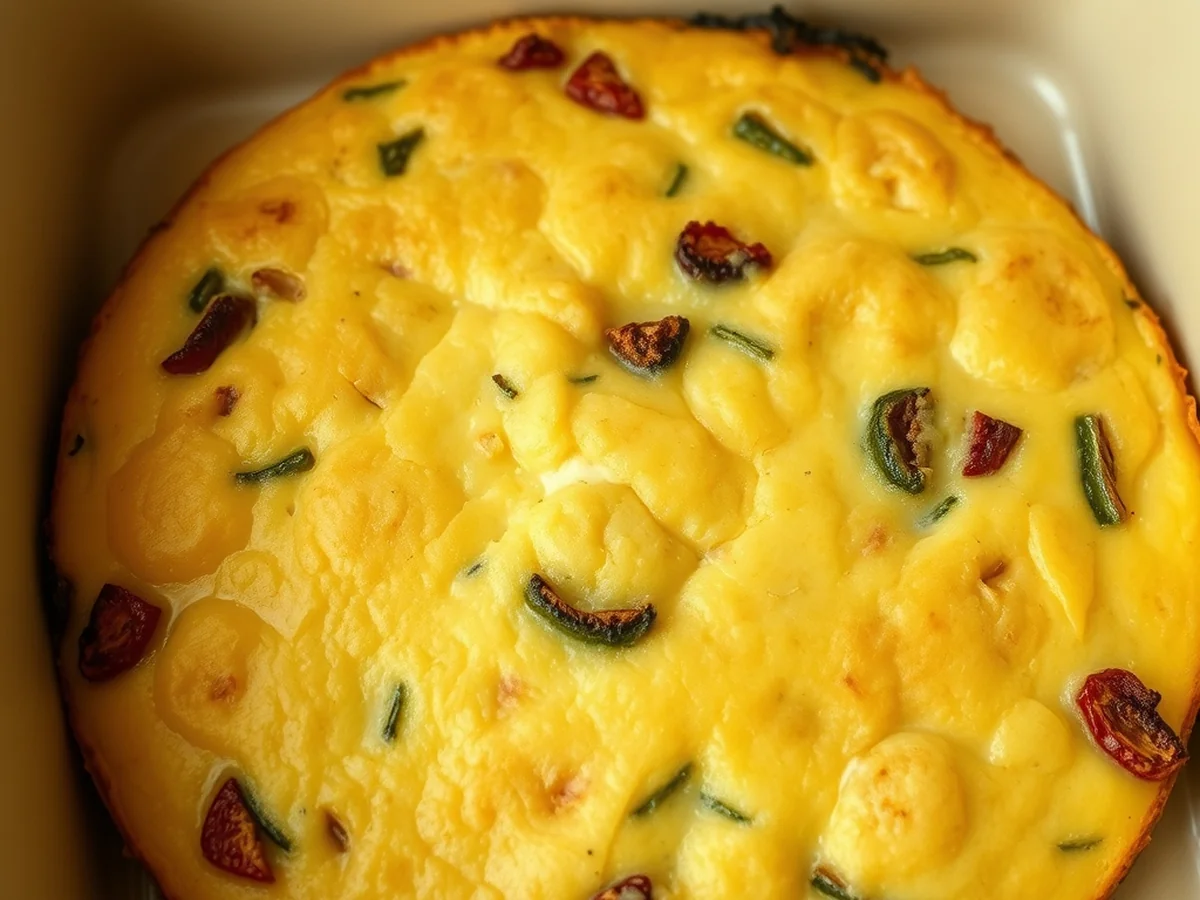
Achieving the perfect texture in a root vegetable frittata requires balancing the moisture of the vegetables with the coagulation of the egg mixture. Because the base typically consists of eggs combined with milk or cream, cheese, salt, and pepper, the dish undergoes significant structural changes during the baking process. Identifying the exact moment of completion ensures you avoid both an undercooked, runny center and a rubbery, over-processed result.
Visual and Structural Indicators
The surface of your frittata serves as the primary indicator of progress. As the eggs set, the top should appear opaque and firm. If you gently shake the pan, the center should not ripple or wobble excessively. While the edges will naturally set faster than the middle, there should be no visible liquid pools remaining. If the surface appears moist or shiny, it likely requires additional time in the oven.
The Skewer Test
For a more precise verification, common culinary guidance suggests using a skewer to test the deepest point of the pan. Insert a wooden or metal skewer into the center of the dish. If it comes out clean or with only a few moist crumbs, the protein has sufficiently set. If you detect wet, runny egg residue, the dish needs further cooking. This method is particularly useful when working with dense ingredients like sweet potatoes, carrots, or parsnips, which can sometimes release moisture into the egg base during the final minutes of baking.
Post-Oven Handling and Cooling
Understanding how to handle the dish after it leaves the heat is a critical component of successful meal preparation. As noted by the Let’s Move initiative, transferring your finished frittata to a cooling rack immediately after baking is essential to prevent the base from becoming soggy. This allows steam to escape from the bottom of the pan rather than condensing back into the crust. Additionally, using parchment paper with an overhang during the initial setup, as recommended by the Los Angeles County Department of Public Health, allows for easier removal of the frittata from the baking pan, ensuring the structural integrity of your meal remains intact while it cools to the ideal serving temperature.
Common Preparation Mistakes
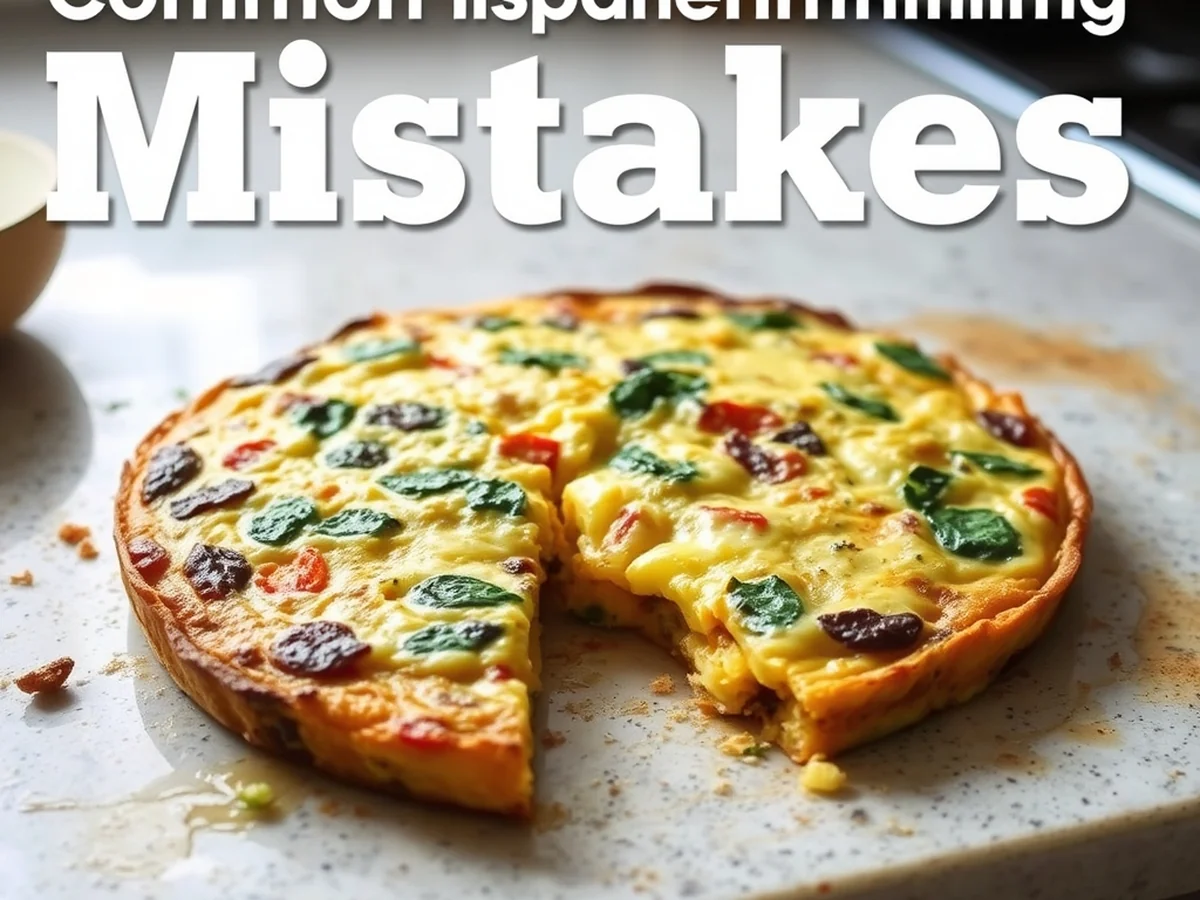
Creating a successful root vegetable frittata involves mastering the balance between moisture management and proper protein coagulation. Because root vegetables are dense, they require different handling than quick-cooking ingredients like herbs or leafy greens. Avoiding common pitfalls ensures your meal maintains a firm, sliceable texture rather than becoming watery or rubbery.
Managing Moisture and Vegetable Prep
One of the most frequent errors is adding raw, high-moisture vegetables directly to the egg base. Vegetables suitable for roasting in frittatas, such as sweet potatoes, carrots, parsnips, and broccoli, benefit significantly from pre-cooking. Common practice suggests roasting small-cut vegetables at 220 degrees Celsius for approximately 25 minutes. This process does more than soften the vegetables: it concentrates their sugars and evaporates excess water that would otherwise pool at the bottom of your dish. If you are using particularly watery root vegetables, ensure they are thoroughly roasted until tender before folding them into your mixture.
Achieving the Perfect Egg Texture
The base egg mixture, typically consisting of eggs, cream or milk, cheese, salt, and pepper, is sensitive to heat. Egg coagulation standards dictate that overcooking will tighten the proteins, resulting in a rubbery consistency. To avoid this, monitor your oven closely. It is more effective to rely on visual and physical cues rather than fixed times. A common practice to ensure the interior is fully cooked without overbaking is to test the doneness by inserting a skewer into the center. If it comes out clean, the dish is ready to be pulled from the oven.
Structural Integrity and Serving
Practical preparation techniques can dramatically improve the final presentation of your dish. To make the process smoother, use parchment paper with an overhang to line your baking pan, as this allows for easier removal of the frittata. Once the baking is complete, transferring your frittata to a cooling rack is essential because it prevents the base from becoming soggy by allowing air to circulate underneath the pan and stopping trapped steam from softening the crust. By following these baked vegetable frittata tips, you ensure that the earthy, savory profile of the vegetables remains perfectly complemented by the creamy, high-protein egg base, making this a reliable and nutritious option for your meal prep rotation.
Storage and Reheating Advice
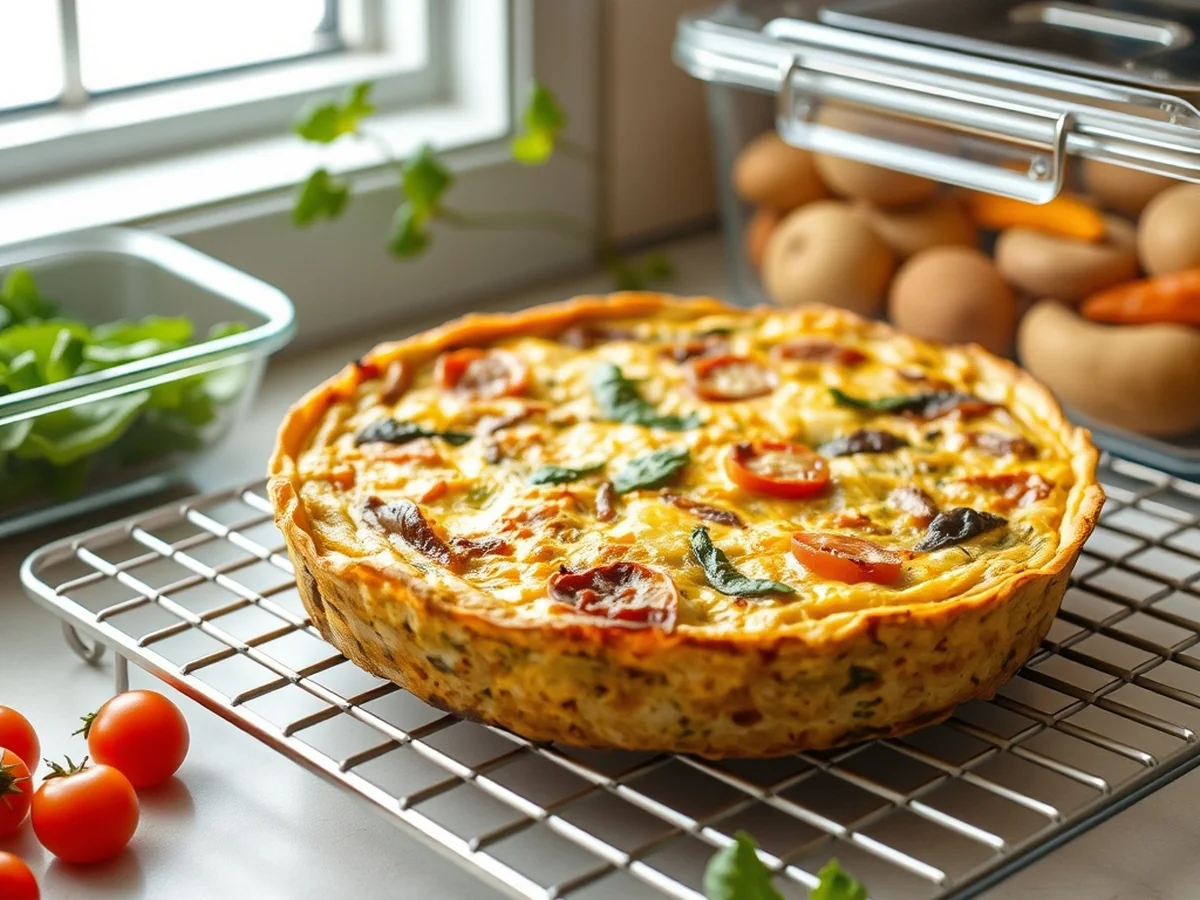
Proper handling after your root vegetable frittata leaves the oven is the key to maintaining a firm texture and appealing flavor for your meal prep containers. One of the most effective techniques is transferring the frittata to a cooling rack immediately after baking. According to guidance from the Let’s Move initiative, placing the dish on a rack allows air to circulate underneath the pan, which prevents the base from becoming soggy due to trapped steam.
When preparing for the week, consider using parchment paper with an overhang when lining your baking pan. As noted by the Los Angeles County Department of Public Health, this simple method allows for the easy removal of the entire frittata once cooled. Once the dish reaches room temperature, slice it into uniform portions. Cutting while the eggs are fully set helps maintain clean edges and prevents crumbling during storage.
To keep your portions fresh, follow these practical storage and reheating guidelines:
- Use airtight containers to seal in moisture and prevent the eggs from absorbing odors from other foods in your refrigerator.
- If you are stacking multiple slices, place a small square of parchment paper between each piece to prevent them from sticking together.
- Store your prepared egg dishes in the refrigerator for up to three or four days.
- Avoid high-heat microwave settings when reheating, as this often causes the eggs to become rubbery.
- For the best results, gently reheat individual portions in a skillet over low heat or in a preheated oven until the center is just warmed through.
A common mistake is packing the frittata into containers while it is still steaming hot. This traps excess moisture inside the container, which inevitably leads to a watery or mushy texture the following day. By ensuring the dish is completely cooled on a rack before packaging, you preserve the structural integrity of the eggs and the roasted texture of your root vegetables, making for a much better dining experience throughout your busy week.
FAQ
Do you cook vegetables before putting them in a root vegetable frittata?
Yes, you should always pre-cook your vegetables to ensure they reach the correct texture and remove excess moisture. Common guidance suggests roasting small-cut vegetables at 220 degrees Celsius (430 degrees Fahrenheit) for approximately 25 minutes, which helps concentrate their natural flavors.
What are the best root vegetables for egg dishes?
Commonly recommended vegetables include sweet potatoes, carrots, parsnips, and broccoli. These options hold their shape well during the baking process and provide a satisfying, hearty contrast to the light egg mixture.
What is the secret to a good root vegetable frittata?
The secret is using a standard base mixture of eggs, cream or milk, cheese, salt, and pepper to achieve the perfect consistency. Additionally, using parchment paper with an overhang in your baking pan is a proven technique that allows for much easier removal of the finished dish.
How do you know when a frittata is cooked?
You can test the doneness by inserting a skewer into the center of the dish to see if it comes out clean. Once baked, it is important to transfer the egg dish to a cooling rack, as this prevents the base from becoming soggy due to trapped steam.
How long does it take to prepare a frittata?
While total time depends on your chopping speed, common guidance suggests that this dish can have a 15-minute preparation time. This makes it a practical option for those seeking healthy egg breakfast ideas that fit into a busy schedule.
Conclusion
The final step to perfecting your meal is ensuring the dish cools correctly to maintain its ideal texture. Transferring a frittata to a cooling rack after baking prevents the base from becoming soggy, which is essential for a high-quality result. Once you have mastered these basic techniques for preparing your egg-based dish featuring roasted produce, you can easily experiment with different seasonal ingredients to keep your breakfasts fresh and flavorful. Simply grab your favorite vegetables and a reliable skillet to get started on your next healthy meal prep session.
Sources: publichealth.lacounty.gov, letsmove.obamawhitehouse.archives.gov
You might also like: how to meal prep with eggs