How to meal prep with eggs
Introduction
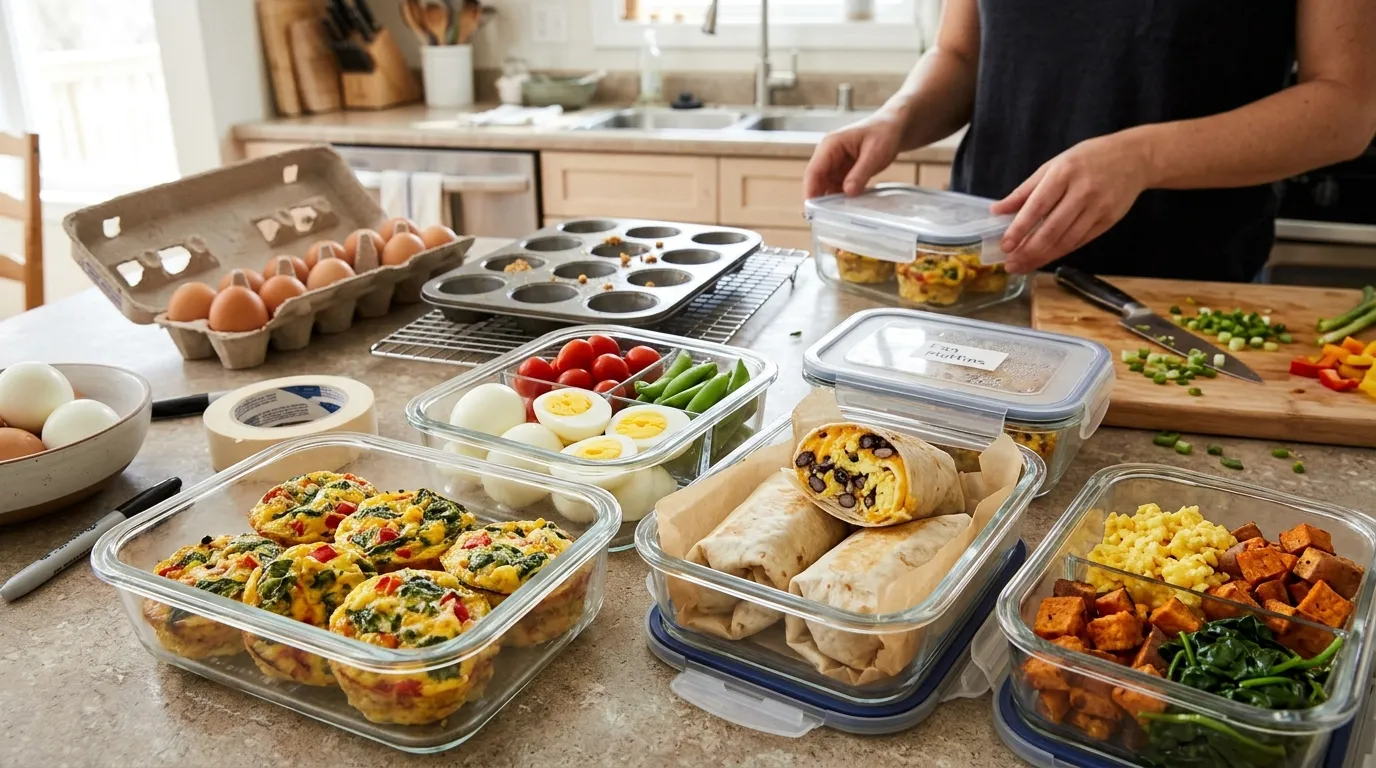
You can effectively meal prep with eggs by utilizing batch cooking methods like baking or steaming to maintain quality throughout the week. Mastering the art of how to meal prep with eggs allows you to reliably hit protein goals while streamlining your morning routine.
This guide covers practical techniques for preparing large batches of eggs, including specific oven-baked methods like egg muffins and sheet-pan eggs. You will find information on proper storage techniques to keep your meals fresh, as well as essential food safety guidelines for cooling and reheating. By following these evidence-based practices, you can ensure your prepped meals remain safe and palatable for several days.
Why Meal Prep With Eggs
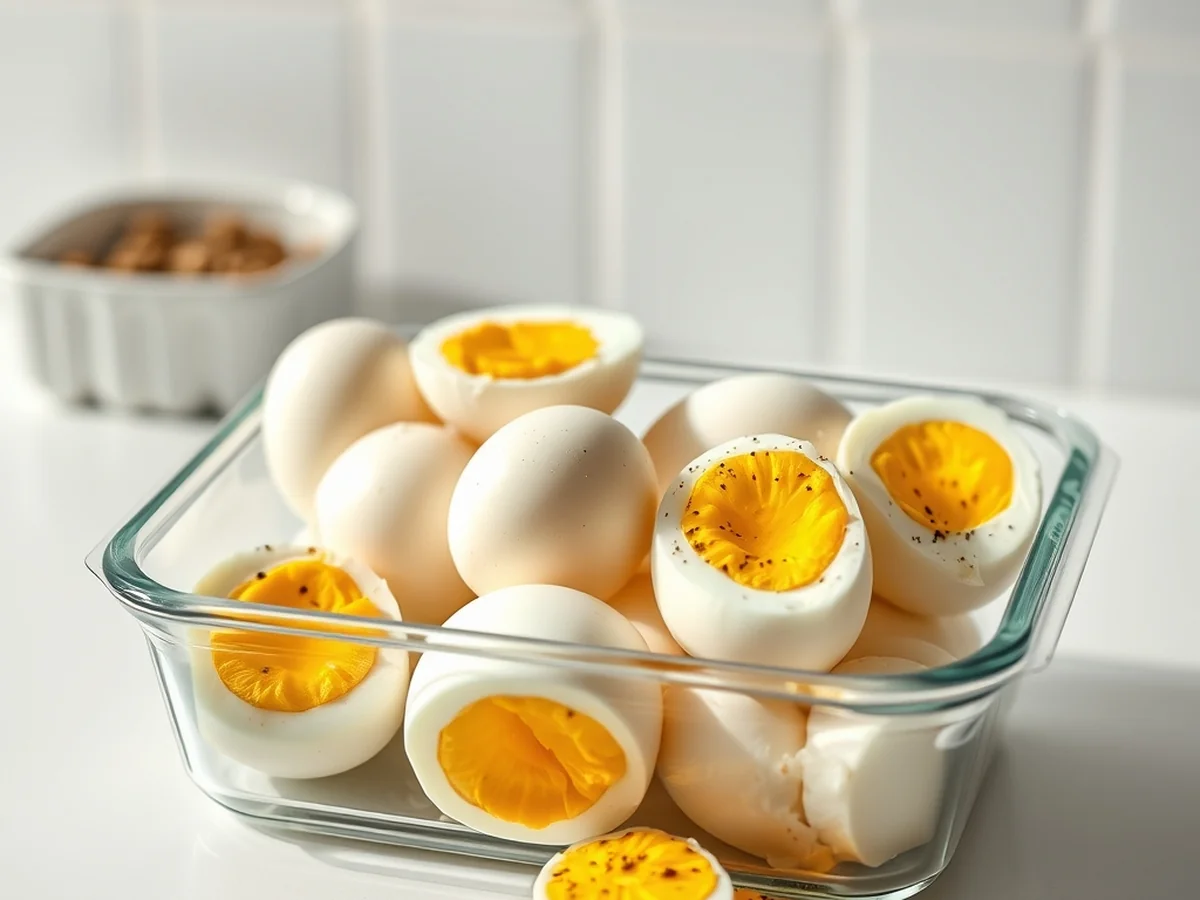
Eggs are a foundational ingredient for anyone looking to hit consistent protein targets without spending hours in the kitchen every day. Because they provide a complete source of amino acids in a versatile format, they are a staple for high protein egg meal prep ideas. By dedicating time to batch cooking eggs for the week, you streamline your nutrition plan while keeping food costs manageable.
Choosing Your Preparation Method
The success of your meal prep depends on selecting a cooking technique that maintains moisture and texture. When eggs are overcooked, they often lose their appeal during the reheating process. To avoid this, focus on methods that provide even heat distribution. The following table provides a comparison of common approaches to help you decide which fits your workflow:
| Method | Typical Temperature | Typical Time | Best For |
|---|---|---|---|
| Egg Muffins | 350 degrees Fahrenheit | Approx. 15 minutes | Portioned, grab and go meals |
| Sheet-pan Eggs | 350 degrees Fahrenheit | Approx. 18 minutes | Bulk prep and sandwich layers |
As noted by the Mississippi State University Extension, egg muffins require approximately 15 minutes at 350 degrees Fahrenheit to reach a stable, cooked-through state. For larger batches, sheet-pan eggs are a common guidance strategy, with 18 minutes at 350 degrees Fahrenheit being a typical practice to ensure the center is firm enough to slice.
Safety and Storage Considerations
When you meal prep with eggs, your primary focus should be on food safety and maintaining quality. According to the USDA Food Safety and Inspection Service, the danger zone for bacterial growth exists between 40 and 140 degrees Fahrenheit. It is essential to cool your cooked eggs quickly before placing them into airtight food storage containers. This prevents condensation from forming inside the container, which can lead to a rubbery texture when reheating prepped eggs without rubbery texture issues.
To follow proper egg meal prep safety guidelines, ensure your refrigerator temperature is set to 40 degrees Fahrenheit or below. Store your cooked egg dishes in the refrigerator for no more than three to four days to maintain peak flavor and safety. When you are ready to eat, reheat your portions gently, perhaps using a microwave at lower power settings or a toaster oven, to keep the eggs from becoming tough or dry. By controlling your cooking environment and adhering to these storage basics, you can enjoy high-protein meals throughout the work week.
Best Methods for Batch Cooking
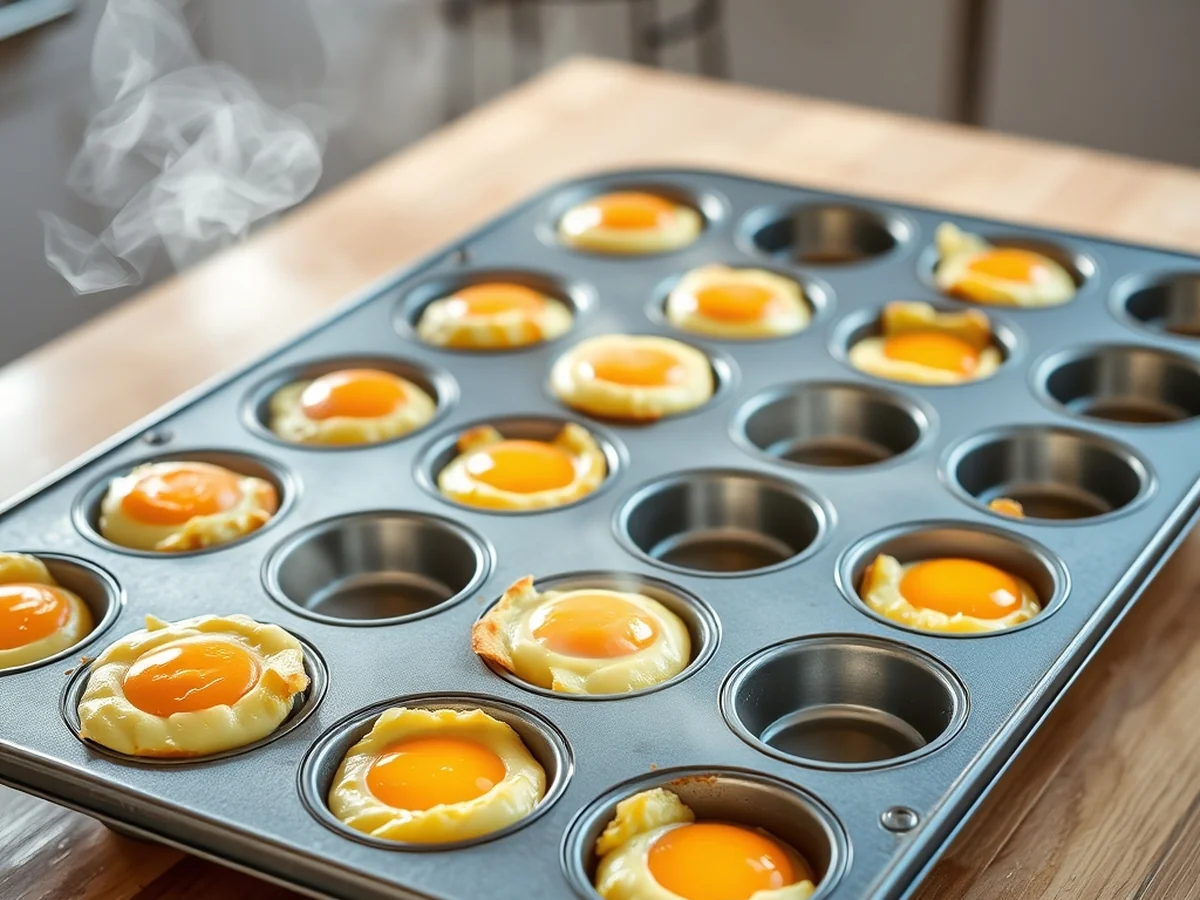
When you prioritize high protein egg meal prep ideas, efficiency in the kitchen becomes paramount. Using individual muffin tins is a highly effective way to manage portion sizes for the week. According to the Mississippi State University Extension, egg muffins require approximately 15 minutes of cooking time at 350 degrees Fahrenheit. This method is ideal for those who value pre-portioned protein that is ready to grab from your food storage containers during a busy morning.
Mastering Bulk Egg Preparation
For those preparing larger quantities, sheet-pan techniques offer a streamlined alternative that removes the need for individual compartments. Common culinary guidance suggests that baking eggs on a sheet pan at 350 degrees Fahrenheit for about 18 minutes typically achieves a reliable, cooked-through consistency suitable for slicing into uniform square portions. To improve success with this method, consider lining your stainless steel sheet pan with parchment paper to ensure clean removal without leaving residue behind.
The following table outlines how different preparation styles impact your kitchen workflow and final results:
| Method | Cooking Style | Texture Result | Best Use |
|---|---|---|---|
| Muffin Tin | Oven Baked | Firm, compact | Portion control |
| Sheet Pan | Oven Baked | Uniform, flat | Bulk volume |
| Stovetop | Direct Heat | Fluffy, tender | Immediate use |
Texture and Storage Considerations
Choosing between stovetop and oven methods often comes down to your desired texture and available time. Stovetop cooking typically yields a lighter, fluffier result but requires constant attention and active flipping, which is difficult when batch cooking eggs for the week. Oven-based methods produce a denser, more consistent structure that holds up well when stored. To maintain quality, focus on proper cooling before sealing your food storage containers. This step is essential for reheating prepped eggs without rubbery texture, as rapid temperature fluctuations can toughen the proteins. Always verify that your refrigerator temperature is set correctly to ensure food safety, as proper handling is just as important as the cooking method itself when preparing meals in advance.
Egg Cooking Techniques Compared
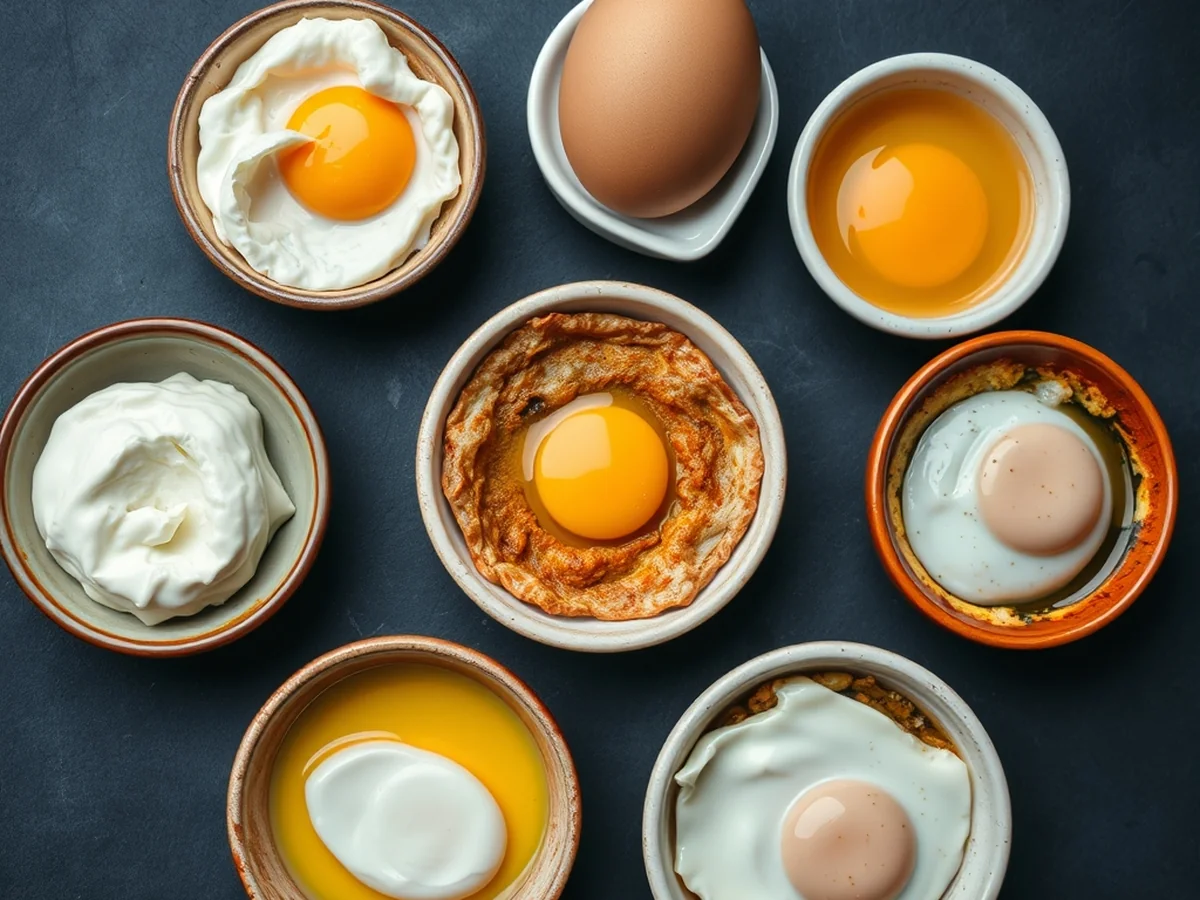
Choosing the right cooking method is essential when you meal prep with eggs to ensure the texture remains appealing after storage. Oven-based methods allow for consistent batch cooking, while the choice of pan material significantly impacts how easily your eggs release for packing.
Egg muffins are a reliable choice for portion control. According to the Mississippi State University extension, egg muffins can take approximately 15 minutes to cook at 350 degrees Fahrenheit. This method works well for individual servings, though you must ensure the muffin tin is well greased or lined to prevent sticking.
Sheet-pan eggs offer a faster alternative for those preparing larger quantities at once. Common guidance suggests that sheet-pan eggs can be baked at 350 degrees Fahrenheit for 18 minutes to achieve a firm, fully cooked consistency. Because this method covers a larger surface area, it is often more efficient for volume preparation than individual muffin cups.
The type of equipment you use influences both cleanup and food quality. Stainless steel pans provide excellent heat distribution, which is useful for even cooking. However, stainless steel can be prone to sticking if not properly prepared. To ensure smooth removal of your eggs, consider these factors:
- Apply a high-quality cooking spray or a thin layer of oil to all interior surfaces before adding the egg mixture.
- Line your stainless steel sheet pans with parchment paper to create a non-stick barrier that guarantees easy removal.
- Allow the eggs to cool slightly before attempting to lift them out of the pan, as this helps the structure set and prevents tearing.
- Avoid using metal utensils on stainless steel surfaces if you are concerned about scratching, as this can create microscopic grooves where food residue may collect over time.
By adjusting your timing based on the specific vessel, you can achieve consistent results. Stainless steel requires more attention to lubrication compared to non-stick surfaces, but it remains a durable choice for high-volume cooking. Proper cooling before storage also helps maintain the integrity of your eggs regardless of the initial cooking method.
Food Safety and Storage
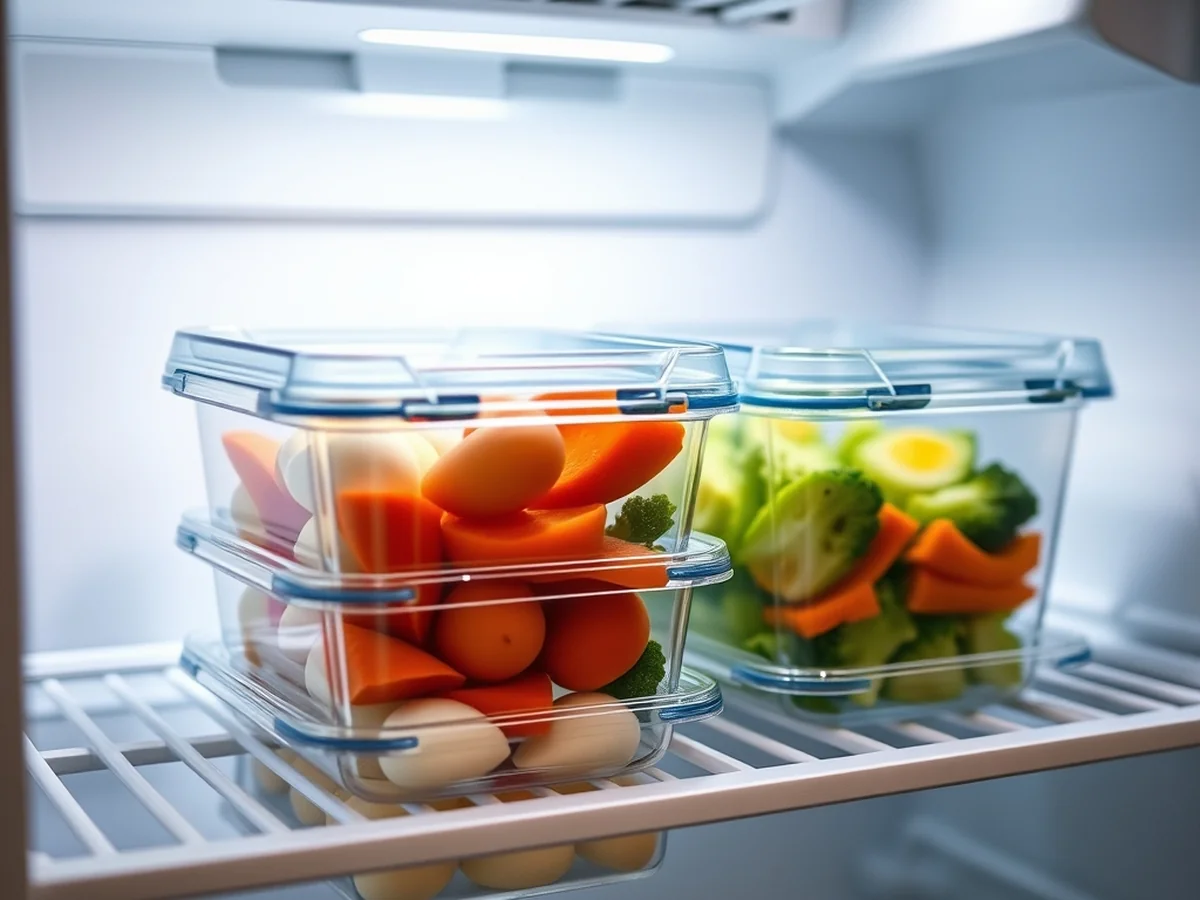
Mastering egg meal prep safety guidelines is essential for anyone incorporating high protein egg meal prep ideas into a weekly routine. Because eggs are a perishable protein, they require precise handling to prevent bacterial growth. When you batch cook eggs for the week, the process involves more than just selecting a recipe; it requires a disciplined approach to temperature control and storage to keep your meals safe and appetizing.
Cooling and Temperature Control
The USDA Food Safety and Inspection Service emphasizes that cooked foods should not remain in the danger zone, defined as temperatures between 40 and 140 degrees Fahrenheit, for more than two hours. To manage this when meal prepping, avoid placing large, steaming batches directly into deep food storage containers. Heat trapped in the center of a deep container provides a breeding ground for bacteria. Instead, spread cooked eggs into shallow containers, which allows heat to dissipate rapidly. Once the steam has subsided, seal the containers and move them to the refrigerator immediately. Always store these containers on internal refrigerator shelves rather than the door, where frequent opening causes temperature fluctuations that can compromise food quality.
Recommended Cooking Methods and Durability
Different cooking techniques yield varied results regarding texture and storage life. Egg muffins are a popular choice for their portability, typically requiring 15 minutes at 350 degrees Fahrenheit to cook through. For larger quantities, sheet-pan eggs are a common approach, often baked at 350 degrees Fahrenheit for 18 minutes to ensure a consistent, cooked texture throughout the entire pan. Regardless of the method, your refrigerator temperature standards should be set to 40 degrees Fahrenheit or below. Using a food thermometer is the most reliable way to verify your fridge is maintaining this environment.
| Preparation Method | Typical Cook Time | Storage Tip |
|---|---|---|
| Egg Muffins | 15 Minutes | Cool completely before sealing |
| Sheet-Pan Eggs | 18 Minutes | Cut into portions before cooling |
Common Storage Mistakes
A frequent error is assuming that cooked eggs last indefinitely in the fridge. For optimal safety and quality, consume your prepped meals within four days. After this window, the risk of spoilage increases, and the quality of the egg protein content often degrades. Another mistake is sealing containers while the food is still piping hot. This traps moisture inside, which can lead to a soggy texture when you are reheating prepped eggs without rubbery texture issues later. Allow your eggs to reach room temperature before applying lids to maintain better consistency.
Reheating Without Rubberiness
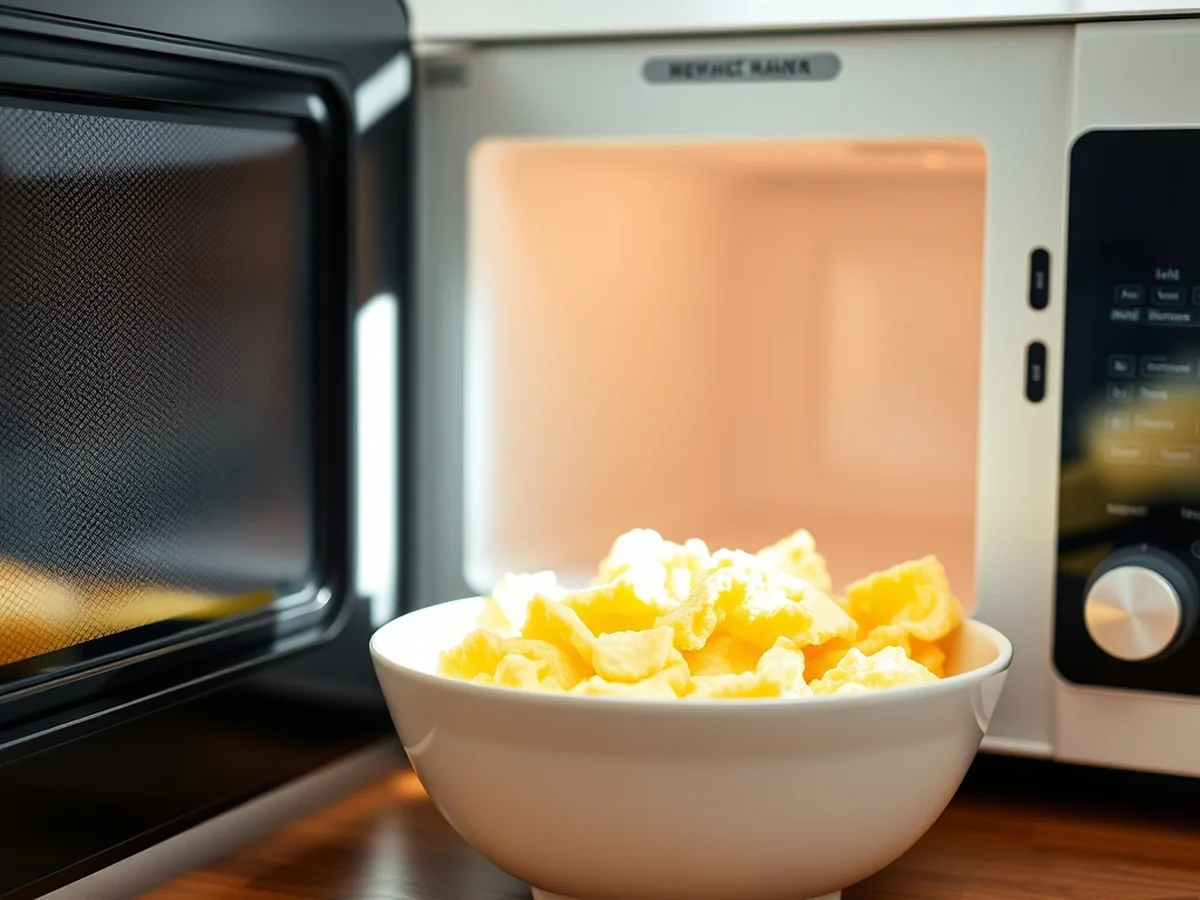
Preventing rubbery, overcooked eggs when you are meal prepping depends on how you manage heat and moisture. When egg proteins are exposed to sustained, intense heat, they tighten and squeeze out their internal moisture, resulting in a tough, dry texture. Mastering the reheating process ensures your prepped breakfast meals stay enjoyable throughout the week.
Adjusting Your Microwave Technique
The most effective way to avoid rubbery eggs is to avoid high power settings. Using your microwave at 50 percent power allows the heat to penetrate the food gently and evenly. This slower approach prevents the exterior from overcooking before the center is warm. For best results, place your eggs in high-quality food storage containers and cover them with a slightly damp paper towel. The steam generated by the towel creates a humid environment, which helps maintain the delicate moisture content of the eggs while they reheat.
Optimizing Your Initial Cook
How you cook your eggs initially directly affects how they hold up during reheating. If you find your portions become dry, try pulling them from the heat slightly earlier. For instance, egg muffins take approximately 15 minutes to cook at 350 degrees Fahrenheit. If you target a slightly softer center, you create a buffer for the reheating stage. Similarly, common guidance suggests baking sheet-pan eggs at 350 degrees Fahrenheit for 18 minutes to achieve a consistency that remains stable for later consumption.
Texture and Preparation Comparison
Different cooking methods yield varying results when it comes to batch cooking eggs for the week. Choosing the right vessel can simplify your routine and improve the final quality of your meal prep.
| Method | Typical Time | Texture Outcome |
|---|---|---|
| Egg Muffins | 15 minutes | Firm, portable, holds shape well |
| Sheet-Pan Eggs | 18 minutes | Uniform, easy to slice, consistent |
Consistency is the ultimate goal when batch cooking. Experimenting with these variables in your specific appliance setup will help you find the ideal balance between initial cooking time and the final temperature of your reheated meals. Always ensure your storage practices follow standard refrigerator temperature guidelines to maintain both safety and quality.
Common Meal Prep Mistakes
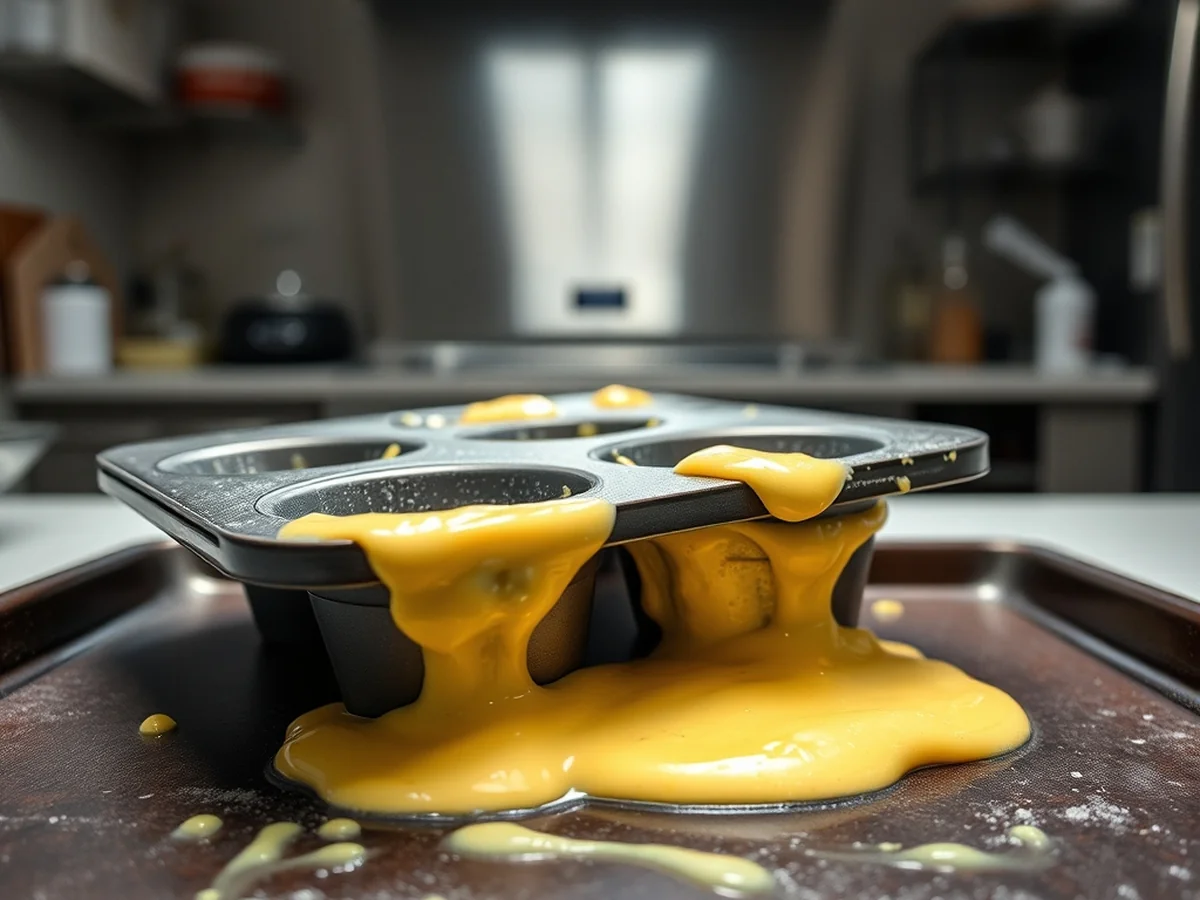
Mastering egg dishes for your weekly routine requires more than just a whisk and a baking sheet. Whether you are focusing on meals rich in protein or simply trying to streamline your mornings, small technical errors can compromise both the texture and safety of your food. Avoiding these pitfalls ensures your meals remain appetizing throughout the week.
Moisture Control and Ingredient Prep
A frequent error involves the addition of high moisture vegetables like raw zucchini, spinach, or tomatoes directly into your egg mixture. During the baking process and subsequent storage, these ingredients release water, which often results in a soggy, unappealing texture. To prevent this, sauté your vegetables first to remove excess water before incorporating them into your eggs.
Similarly, overloading your muffin tins or sheet pans leads to uneven cooking. When individual wells are overfilled, the edges often burn before the center reaches a safe, set consistency.
Thermal Management and Safety
Proper cooling is a critical component of egg meal prep safety guidelines. Sealing hot eggs in airtight food storage containers traps steam, which creates condensation that ruins the texture of your protein.
Even more importantly, failing to cool your egg dishes completely before refrigeration can raise the internal temperature of your storage area. According to refrigerator temperature standards, you must ensure your food reaches a safe, cool temperature before placing it in the fridge to avoid putting other items at risk.
Cooking Standards for Consistent Results
Consistency is key when preparing large quantities of eggs. While exact times can vary based on your specific oven, egg muffins typically take approximately 15 minutes to cook at 350 degrees Fahrenheit. For those using larger containers, common guidance suggests baking sheet-pan eggs at 350 degrees Fahrenheit for 18 minutes to achieve a fully cooked-through consistency.
Always verify your progress to avoid the frustration of under-set portions that become difficult to reheat without developing a rubbery texture. If you find your portions are cooking unevenly, consider using a food thermometer to ensure the center of your egg bake reaches the recommended internal temperature, providing peace of mind that your meal prep is both delicious and safe to consume.
Egg Meal Prep Nutrition Facts
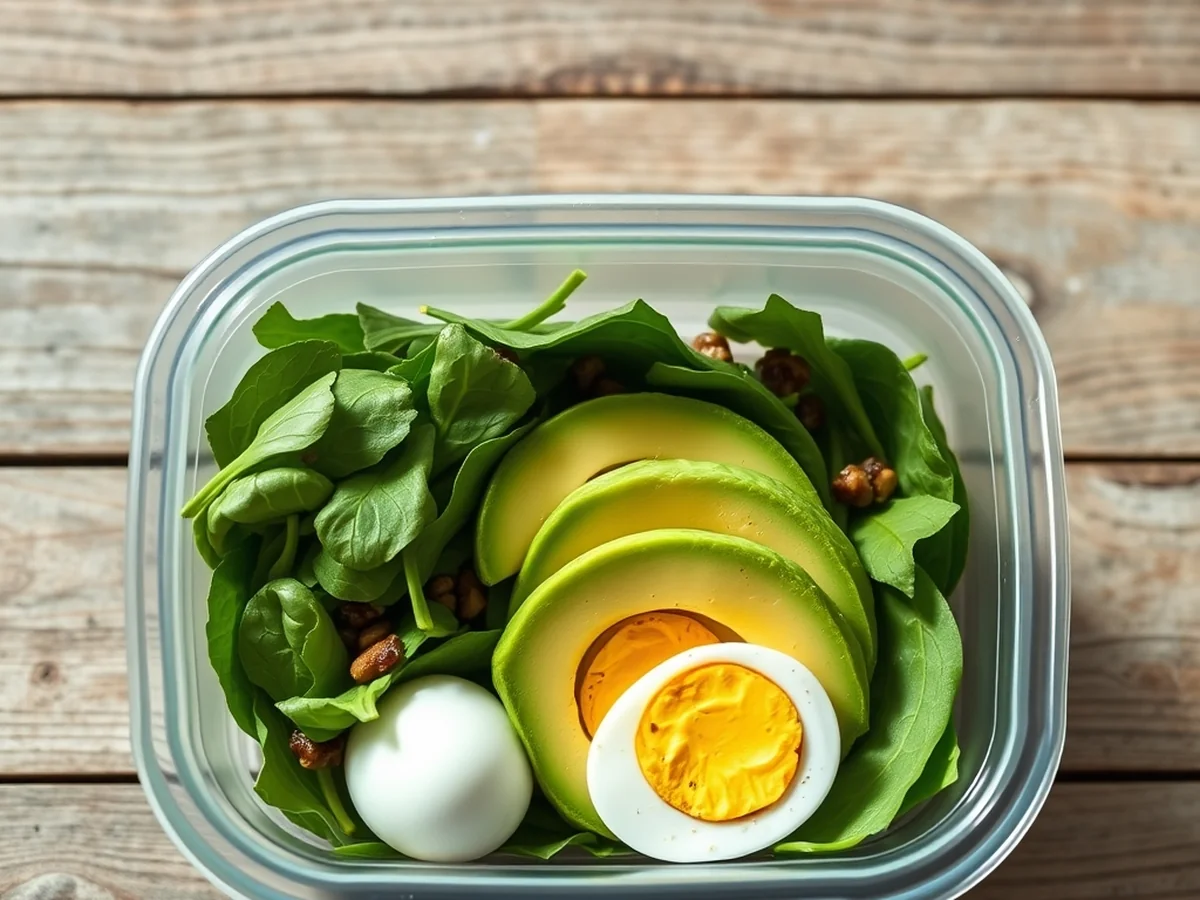
You maximize the nutritional impact when you meal prep with eggs by pairing them with complementary ingredients that round out your macro profile. Because eggs are a complete protein source, adding fiber-rich vegetables or complex carbohydrates creates a more balanced meal that keeps you full for longer.
To optimize your meal prep when using eggs as a protein base, focus on nutrient density rather than just calorie counting. Adding lean proteins like diced turkey or black beans can boost the total protein content, while incorporating avocado or nuts adds healthy fats necessary for satiety. This combination prevents the blood sugar spikes that can occur when consuming carbohydrates alone.
When you aim to keep meals under specific macro targets, portion control becomes the most effective tool. Using measured containers ensures you maintain consistency across your weekly servings. It is common guidance to bake sheet-pan eggs at 350 degrees Fahrenheit for 18 minutes to achieve a cooked-through consistency, which allows for precise slicing and calorie tracking. If you prefer individual portions, egg muffins can take approximately 15 minutes to cook at 350 degrees Fahrenheit.
Consider these strategies to balance your containers:
- Incorporate leafy greens like spinach or kale to increase volume without significantly altering calorie counts.
- Prioritize lean protein mix-ins such as chicken breast or cottage cheese to increase the total protein per serving.
- Use healthy fat sources like sunflower seeds or feta cheese in moderation to stay within specific fat limits.
- Pair eggs with roasted sweet potatoes or quinoa to provide sustained energy through complex carbohydrates.
By adjusting the ratio of whole eggs to egg whites, you can easily shift the fat and protein profile of your meal prep. Using more egg whites is a simple way to increase total protein while lowering the overall fat content of your batch. This flexibility makes eggs one of the most versatile ingredients for hitting your specific daily nutritional requirements.
Essential Egg Meal Prep Tools
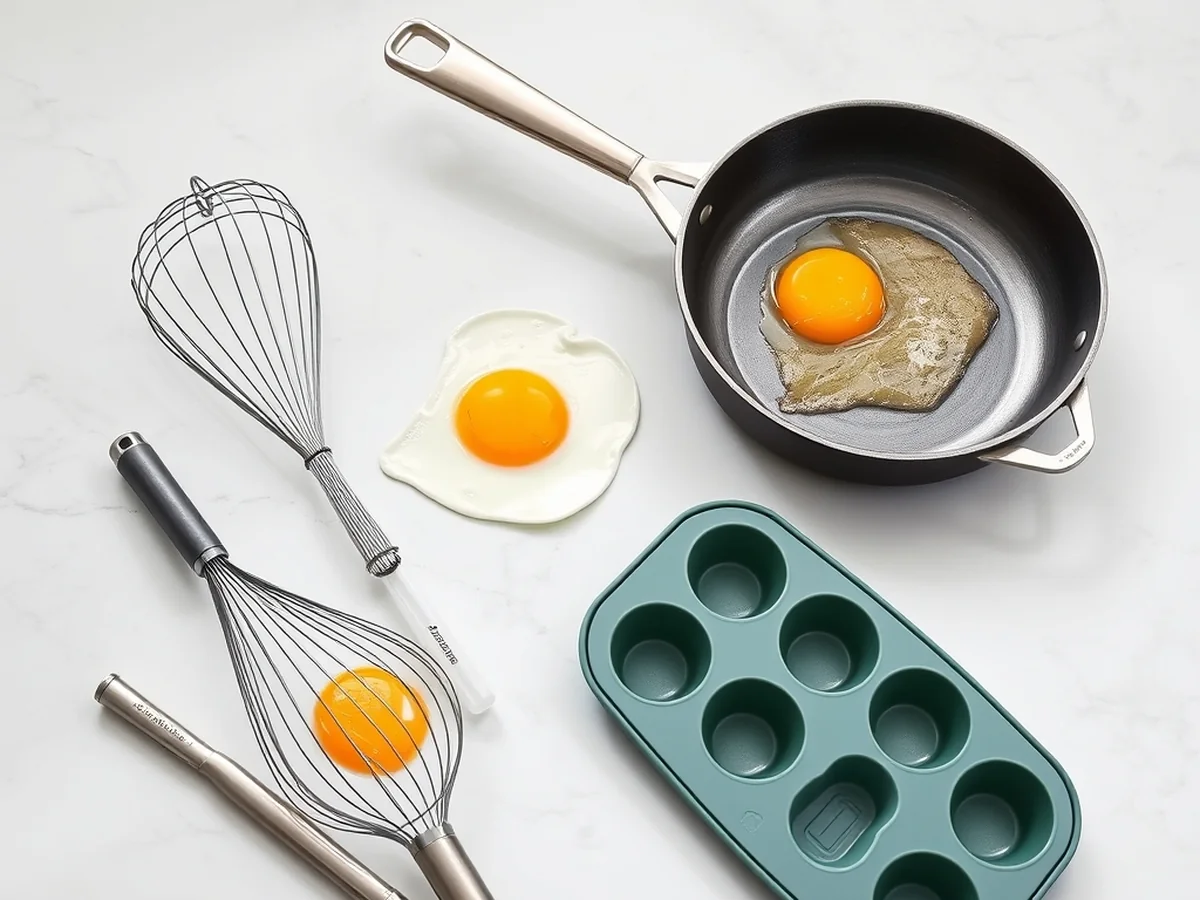
Equipping your kitchen with the right tools transforms how you approach preparing several portions of eggs ahead of time. When you focus on efficiency and safety, you ensure your protein-rich recipes remain appetizing and safe to consume. Investing in gear that supports consistent heat distribution and proper temperature control is the most effective way to avoid common issues like overcooked edges or undercooked centers.
Recommended Gear for Consistent Results
To streamline your process, start with a sturdy, rimmed stainless steel sheet pan. The material provides excellent heat conduction, which is necessary for uniform cooking when you are preparing large batches. For smaller, individual portions, silicone muffin tin liners are superior to paper or metal. They prevent eggs from sticking, allowing you to remove your finished portions cleanly without losing half of the protein-packed content to the pan.
Proper food storage containers are equally important for how to store meal prep eggs. Opt for glass containers with airtight seals. Glass is non-porous, meaning it does not retain odors from previous meals, and it performs well when you are warming up eggs without causing them to become rubbery, as it heats more predictably in the oven or microwave.
Monitoring for Safety
Checking that your dishes are prepared correctly starts with verifying the internal temperature. A digital food thermometer is the only reliable way to confirm that your eggs have reached a safe temperature throughout. Following guidelines from the USDA Food Safety and Inspection Service, eggs must be cooked until the yolk and white are firm. Relying on visual cues alone can be misleading, especially with deep-dish egg bakes or dense muffin recipes.
Cooking Time and Vessel Considerations
Understanding how your cooking vessel impacts timing is essential for success. While appliance settings vary, standard practices provide a solid baseline for your routine.
| Method | Typical Temperature | Estimated Time |
|---|---|---|
| Egg Muffins | 350 degrees Fahrenheit | 15 minutes |
| Sheet-pan Eggs | 350 degrees Fahrenheit | 18 minutes |
When cooking larger batches, always check the center of the pan or the thickest muffin to ensure it has reached the recommended temperature. If your eggs appear set on the surface but remain liquid in the middle, increase your monitoring frequency rather than immediately increasing the oven temperature, as high heat can lead to a rubbery texture that is difficult to correct during the warming phase.
FAQ
Are eggs good for meal prepping?
Eggs are an excellent choice for meal prep because they offer high protein content and remain versatile across many different recipes. Preparing them in bulk allows you to maintain consistent nutrition for your work week while saving time in the morning.
Can you meal prep with eggs safely?
It is perfectly safe to meal prep with eggs as long as you follow proper food safety guidelines regarding cooking and storage. You must ensure that egg dishes reach a safe internal temperature and are cooled quickly before being placed in appropriate food storage containers.
How long can you keep prepped eggs in the refrigerator?
Cooked egg dishes generally stay safe to eat for three to four days when stored in an airtight container at or below 40 degrees Fahrenheit. Always check your refrigerator temperature standards to ensure your food remains in the safe zone for the duration of the week.
What is the best way to reheat prepped eggs?
Reheating eggs gently prevents the rubbery texture often caused by excessive heat. Using a low power setting on your microwave or warming them slowly in a pan helps retain moisture and keeps your batch cooked eggs tasting fresh.
How do you cook eggs for meal prep in bulk?
Common guidance suggests that you can bake sheet-pan eggs at 350 degrees Fahrenheit for 18 minutes to achieve a consistent, cooked-through texture. Alternatively, egg muffins can take approximately 15 minutes to cook at 350 degrees Fahrenheit.
Conclusion
The best way to start is by selecting a cooking method that fits your weekly schedule and available kitchen equipment. Whether you prefer the convenience of sheet-pan baking or the portion-controlled nature of egg muffins, consistent cooling and storage remain the most critical steps for success. Now that you have a plan for effective batch cooking, you can confidently meal prep with eggs to keep your protein goals on track throughout the busy work week.
Sources: happyhealthy.extension.msstate.edu