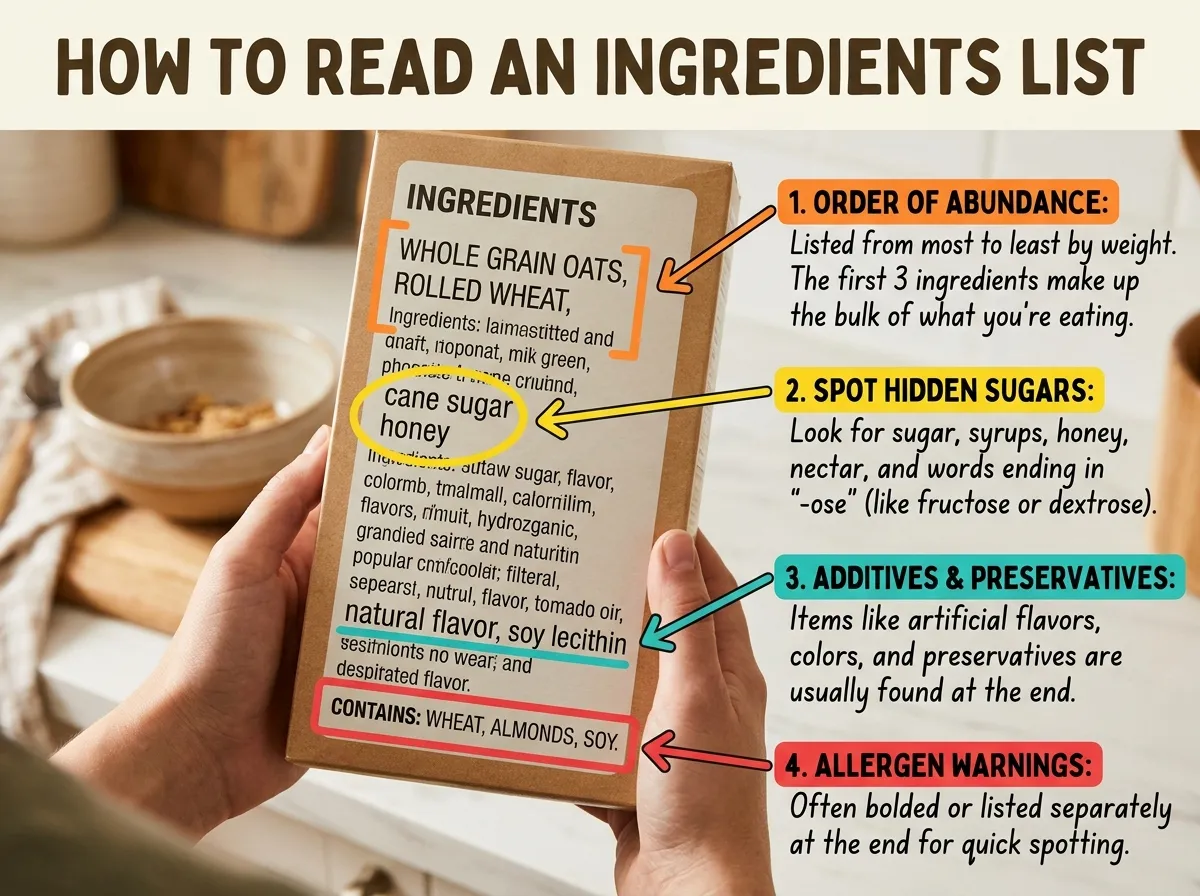
how to read the ingredients list
Introduction
To read the ingredients list effectively, you must understand that companies are required to list items in descending order by weight. A significant majority of shoppers, more than 75 percent, check the ingredient details when trying a new product for the first time.
This guide explains how to navigate these labels to make informed choices for your health. According to Oklahoma State University, food product labels in the US must include five specific components: the product name, package contents, nutrition facts, ingredients list, and manufacturer contact info. We also cover how to interpret the ingredient weight hierarchy, identify common aliases for sugar, and distinguish between strictly regulated information and voluntary marketing claims. By applying these steps, you can move past front-of-package marketing to see exactly what is in the food you buy.
How Ingredient Labels Work
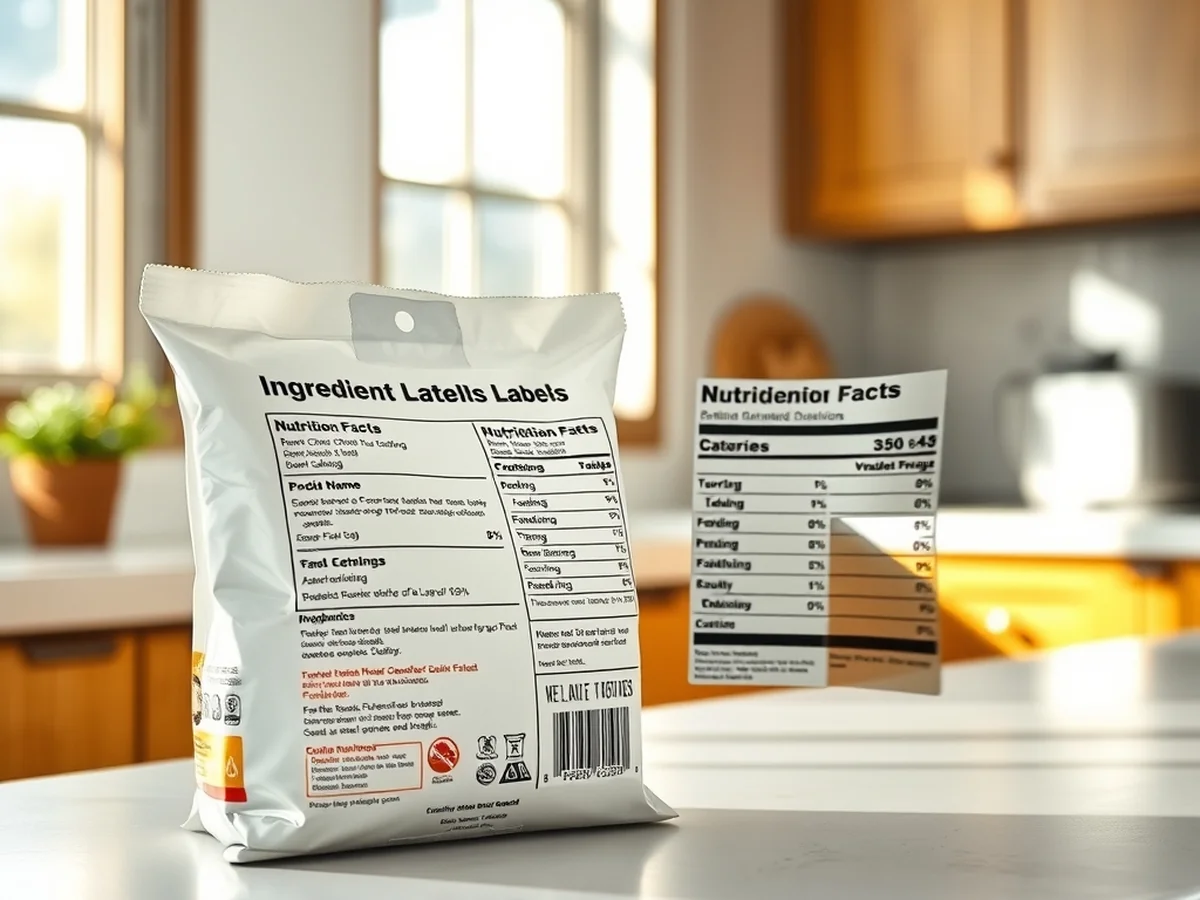
Food product labels in the US are required to have five specific components: product name, package contents, nutrition facts, an ingredients list, and manufacturer contact info. These standardized elements exist to provide transparency, helping you verify exactly what is inside your food rather than relying on front-of-package marketing claims.
Checking these details is a common habit for many shoppers. Over 75 percent of consumers report reading the ingredients list sometimes or often when purchasing a product for the first time. This behavior serves as a vital step in establishing foundational nutrition literacy, which is essential for successfully reaching your specific protein and health goals.
Understanding these requirements allows you to look past bold health claims on the front of a package. By moving your focus to the back, you gain control over your dietary choices. You can effectively evaluate the quality of a product based on how it is actually formulated, rather than how it is advertised.
Beyond the basics, being familiar with these mandatory parts of a package helps you navigate grocery store aisles with greater confidence. Whether you are tracking macronutrients or managing specific dietary needs, this knowledge ensures you are not misled by marketing buzzwords. You are equipped to make decisions that align with your personal wellness targets.
To effectively assess what you are buying, focus on these five core areas:
- Product name to identify the item.
- Package contents for total weight or volume.
- Nutrition facts for a breakdown of macros and micronutrients.
- Ingredients list to see the components in descending order of weight.
- Manufacturer contact info for accountability.
When you take the time to examine these details, you move away from guesswork. This practice supports a more intentional approach to fueling your body, ensuring the items in your shopping cart truly support your routine.
Standard Label Requirements
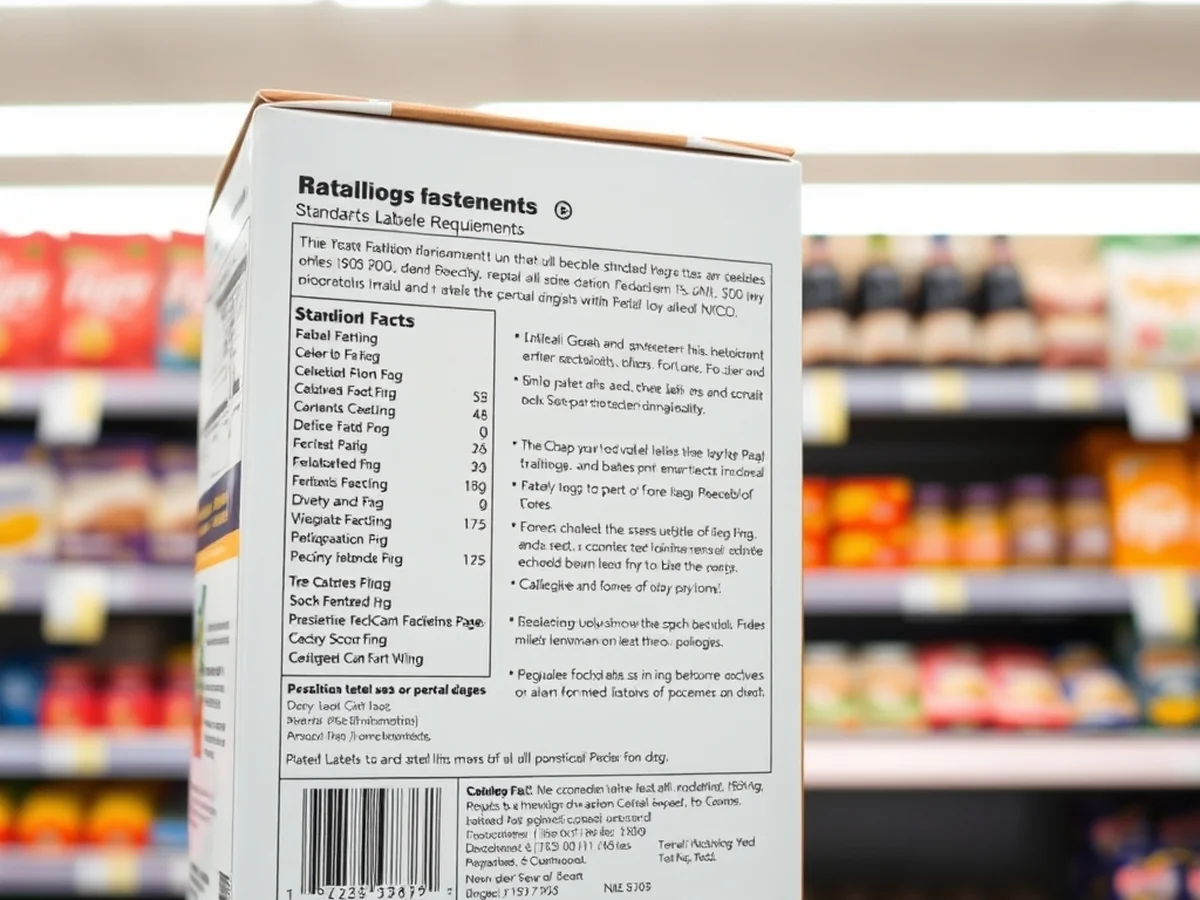
Every food product label in the United States must adhere to specific, federally mandated standards to ensure shoppers receive consistent information. These requirements, enforced by the Food and Drug Administration, dictate exactly what information must appear on the packaging to help you make informed dietary choices.
You can identify these official components by looking for the following five elements on any regulated food item:
- The product name clearly identifies the food contained within the package.
- The net quantity of the package contents specifies how much of the product you are purchasing.
- The Nutrition Facts label provides standardized data on serving size and nutrient content.
- The ingredients list details every component used in the product, organized by weight.
- The manufacturer contact information gives you a direct line to the company responsible for the food.
It is important to distinguish this mandatory data from voluntary marketing claims found on the front of packages. While the Food and Drug Administration strictly regulates the five core components listed above, terms like natural, fresh, or healthy are often used for promotional purposes. These front-of-package claims do not undergo the same rigorous oversight as the back-of-package facts. Relying on the official information sections ensures you are looking at verified data rather than marketing language designed to influence your perception of the product.
Understanding Ingredient Hierarchy
When you decide to read the ingredients list, you are engaging in one of the most effective ways to look past front-of-package marketing claims. According to research published in the National Library of Medicine, over 75 percent of consumers report checking these lists when purchasing a product for the first time. Understanding the ingredient weight hierarchy is essential because, under Food and Drug Administration (FDA) guidelines, manufacturers must list components in descending order by weight. The ingredient present in the greatest quantity appears first, while those used in smaller amounts follow sequentially.
In the United States, official FDA food labeling requirements mandate that every product must contain five specific components: the product name, package contents, nutrition facts, the ingredients list, and manufacturer contact info. Because the first three items on an ingredients list typically constitute the bulk of the product, these slots are the most critical for determining nutritional value. If the initial components include refined sugars or processed fats, the item is likely dense in those areas regardless of any “healthy” branding on the front of the box.
| Position | Relative Content Quantity |
|---|---|
| First 3 ingredients | Highest percentage of total weight |
| Middle ingredients | Moderate or secondary components |
| Final ingredients | Trace elements, flavors, or preservatives |
A common mistake when learning how to understand food labels is focusing only on the Nutrition Facts Label while ignoring the ingredient list’s actual composition. For example, a product might appear low in calories but contain multiple hidden names for sugar distributed throughout the list, which can collectively exceed the main ingredient in total weight. To navigate this effectively, always cross-reference the ingredient order with the serving size. Pay attention to the allergen declaration section as well, which is required under the Food Allergen Labeling and Consumer Protection Act and often appears in bold or as a separate statement following the ingredients.
To improve your label-reading literacy, consider the complexity of the text. While readability formulas like the Gunning-Fog Index (developed in 1952) or the Automated Readability Index (which emerged around 1967) are often used to gauge how easy a document is to comprehend, food labels are frequently designed with dense, technical terminology that obscures the true nature of the product. By focusing strictly on the weight hierarchy, you can bypass this complexity and objectively compare products to see if they align with your specific nutritional goals.
Identifying Hidden Sugars
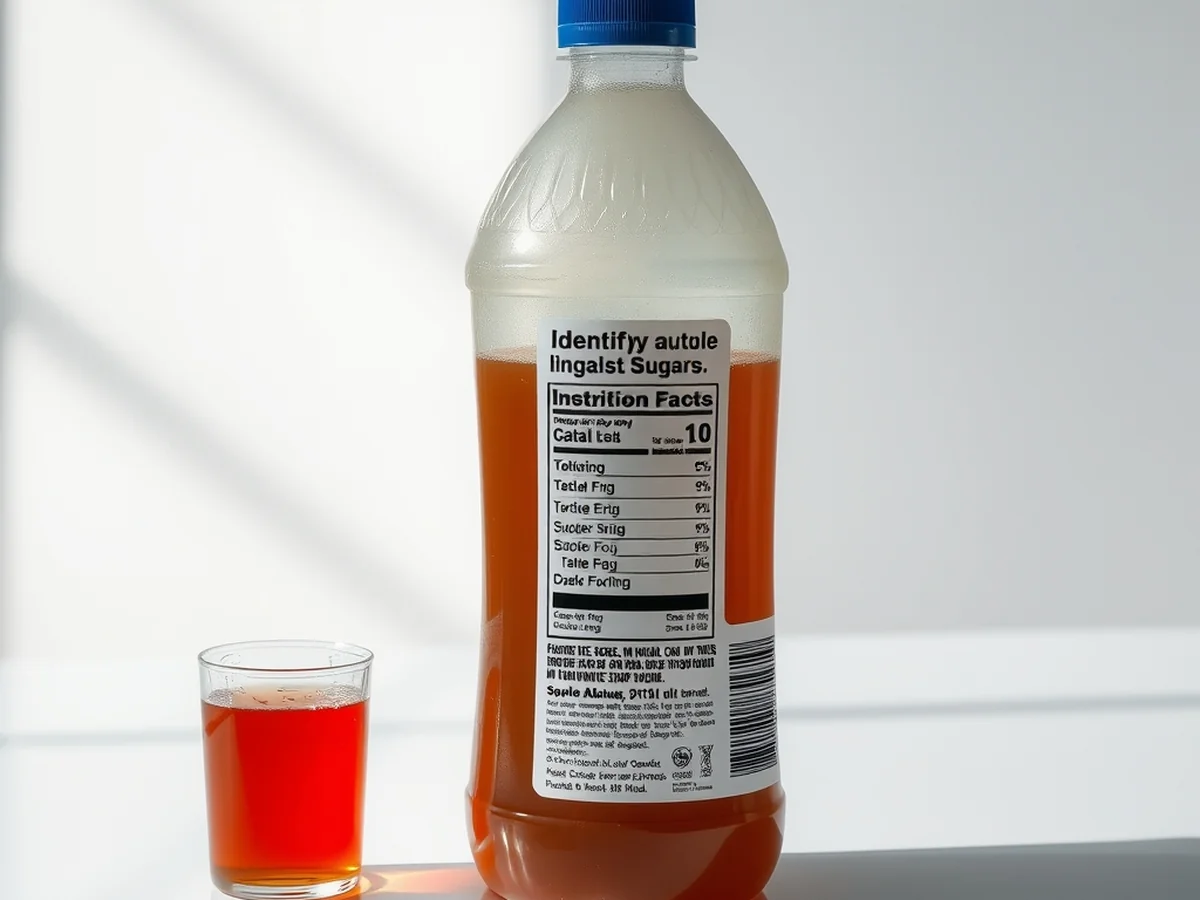
Manufacturers often use multiple types of sweeteners in a single product to keep the total amount of any one sugar lower, which effectively pushes it further down the ingredient weight hierarchy. By splitting sugar into several forms, a company can ensure that healthier-sounding ingredients appear higher on the list while the cumulative impact of added sweeteners remains high.
You should always look beyond the word sugar when examining a product, as many alternative names disguise the actual content of added caloric sweeteners. Becoming familiar with these hidden names for sugar allows you to see past marketing claims and understand exactly what you are consuming.
Check for these common chemical names and industry-standard terms that often serve as sweeteners:
- Dextrose is a simple sugar derived from corn that functions as a common sweetener in processed snacks.
- Maltose, often referred to as malt sugar, is frequently used in grain-based products and certain beverages.
- Cane juice represents a less refined form of sugar that manufacturers often highlight to suggest a more natural profile.
- High fructose corn syrup acts as a highly concentrated sweetener frequently found in mass-produced food items.
- Barley malt provides a distinct flavor profile while simultaneously adding significant sugar content to the final product.
- Fruit juice concentrates serve as another way to introduce natural sugars that may not be immediately obvious to the casual shopper.
Since food product labels in the US are required to have five specific components, including the ingredients list, you have a standardized way to compare products. Identifying these variations helps you make more informed choices regardless of the terms used on the front of the packaging. Over 75 percent of consumers report looking at these details sometimes or often when purchasing a product for the first time, reinforcing the value of this practice for maintaining a balanced diet.
Navigating Allergen Declarations
The Food Allergen Labeling and Consumer Protection Act requires manufacturers to clearly identify major food allergens on product packaging. This federal law simplifies safety by ensuring that ingredients derived from common allergens are easy to spot.
You can identify these substances because they must be listed in plain language. Instead of using complex scientific terms, labels are required to state the common name of the allergen. For example, if a product contains a protein derived from milk, the label will explicitly mention milk rather than only using technical chemical descriptions.
Manufacturers typically display these declarations in one of two ways. They may include the allergen name in parentheses immediately following the scientific ingredient name. Alternatively, they might use a separate contains statement placed directly after the main block of components. Both methods comply with regulatory standards and are designed to help you quickly identify potential risks.
It is important to distinguish between these mandatory declarations and voluntary advisory labels. While the presence of an allergen as a deliberate component must be disclosed, companies sometimes include may contain or processed in a facility statements. These phrases are not strictly governed by the same federal requirements as the ingredients list itself. They serve as optional warnings to alert you to the possibility of cross-contact during manufacturing, rather than indicating the intentional inclusion of that specific allergen.
- The Food Allergen Labeling and Consumer Protection Act covers major allergens like milk, eggs, fish, crustacean shellfish, tree nuts, peanuts, wheat, and soybeans.
- Checking the contains statement is often the fastest way to screen for allergens before reviewing the full list of components.
- Advisory statements regarding potential cross-contamination are voluntary and do not follow the same strict formatting rules as primary allergen declarations.
Decoding Complex Chemical Names
Complex chemical terminology often obscures the true nutritional profile of a product, making it difficult for shoppers to evaluate contents accurately. Even though over 75 percent of consumers report looking at these details when purchasing a product for the first time, the dense technical language frequently acts as a barrier to informed choices.
Labels are technically designed to include five specific components: the product name, package contents, nutrition facts, an ingredients list, and manufacturer contact info. However, the linguistic complexity of these items often exceeds the average literacy level of the general public. By using formulas such as the Gunning-Fog Index, which was developed in 1952, researchers have demonstrated that many food labels require a high level of reading proficiency to interpret correctly.
Similarly, the Automated Readability Index, typically associated with 1967, highlights how sentence structure and vocabulary density create friction for the average buyer. When manufacturers use obscure chemical nomenclature instead of common food terms, they effectively hide the actual nutritional value of the item. This opacity forces consumers to rely on simplified front-of-package marketing rather than the factual breakdown provided on the back of the packaging.
To navigate these hurdles, consider these factors that contribute to label density:
- Scientific names for common additives that mask their true identity.
- Long, multi-syllabic ingredient chains that inflate readability scores.
- The use of technical jargon that obscures the weight hierarchy of ingredients.
Learning how to understand food labels requires moving past these complex terms to identify the primary components of the product. When you encounter a label that feels intentionally difficult to parse, it is often a sign to prioritize simpler, whole-food options where the ingredients are easily recognizable.
Common Labeling Mistakes
Shoppers often fall into traps that obscure the true nutritional profile of a product by relying on marketing language rather than the objective data provided by the manufacturer. Avoiding these errors is essential when you read the ingredients list to ensure you understand exactly what you are consuming.
- Prioritizing front-of-package marketing claims such as natural or healthy can be misleading, as these terms are often used for branding and do not reflect the full nutritional reality of the item.
- Failing to consider the serving size often leads to an inaccurate calculation of total caloric intake, as many packages contain multiple servings that are easy to overlook.
- Ignoring the relationship between the Nutrition Facts Label and the ingredient declaration prevents you from seeing the complete picture, as one provides the data while the other explains the sources.
- Assuming that a product is wholesome simply because it lacks a specific additive overlooks other ingredients that might be present in higher quantities.
- Overlooking the ingredient weight hierarchy, which dictates that items are listed in descending order by weight, makes it difficult to gauge which components actually make up the bulk of the food.
- Neglecting to cross-reference the ingredient list with allergen disclosures can lead to missing vital information about potential health risks for sensitive individuals.
Food product labels in the US are required to have 5 components: product name, package contents, nutrition facts, ingredients list, and manufacturer contact info. Relying on these standardized sections instead of voluntary marketing buzzwords helps you move beyond basic interpreting nutrition facts. Over 75 percent of consumers report reading the ingredients list sometimes or often when purchasing a product for the first time, yet many still struggle to differentiate between regulated data and persuasive advertising. By focusing on the mandatory components, you can make more informed decisions about your diet.
Strategic Label Scanning Checklist
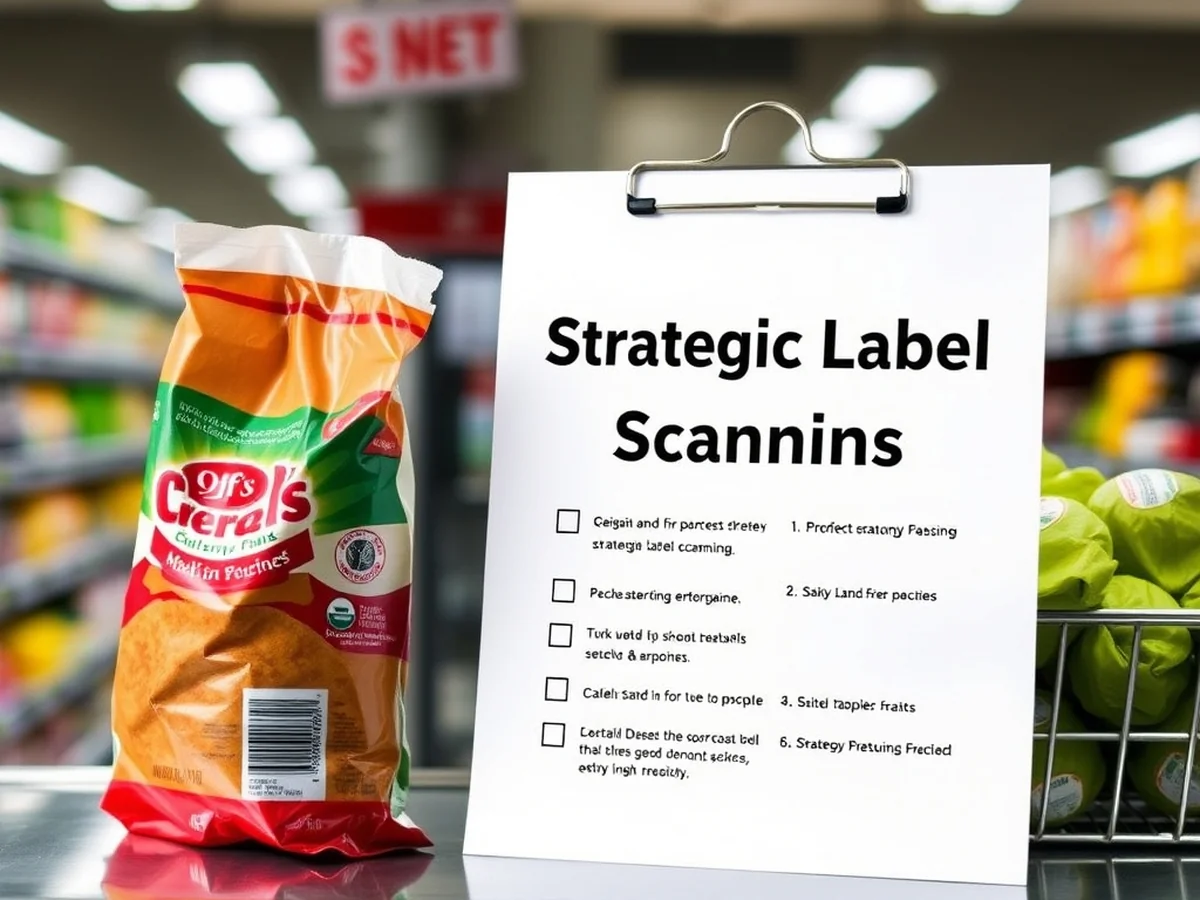
You can quickly evaluate a product by following a consistent inspection routine that prioritizes regulatory information over marketing claims. Food product labels in the US are required to have five components: product name, package contents, nutrition facts, ingredients list, and manufacturer contact info. Over 75 percent of consumers report looking at the component breakdown sometimes or often when purchasing a product for the first time.
- Begin by identifying the serving size, as all nutrient and calorie information is based on this specific portion rather than the entire package.
- Examine the top three components in the sequence, as manufacturers must list these by weight in descending order, meaning they represent the bulk of the product.
- Search the remainder of the text for unwanted additives, preservatives, or specific allergens that could affect your dietary requirements.
- Cross-reference your findings with the Nutrition Facts Label to ensure the macronutrient profile aligns with your personal health objectives.
Following this structure helps you look past front-of-package marketing terms that often obscure the actual nutritional quality of a food item. By focusing on the weight hierarchy and serving size, you gain a clearer picture of what you are consuming. This methodical approach is the most reliable way to understand food labels without getting distracted by health halos or vague industry buzzwords.
How to read the ingredients list
You can effectively navigate food packaging by remembering that items are always listed in descending order by weight. This ingredient weight hierarchy ensures that the first few components make up the bulk of the product, while those at the end are present in much smaller amounts. Research published via the National Institutes of Health indicates that a majority of shoppers, specifically over 75 percent, check these details at least sometimes when buying a product for the first time.
In the United States, food product labels are required to contain five specific components: the product name, package contents, nutrition facts, ingredients list, and manufacturer contact information. Many shoppers find that front-of-package marketing claims are often misleading or vague, so looking directly at the label is the most reliable way to understand what you are actually consuming. When you review these items, keep in mind that manufacturers may use different names for the same substance, particularly with sweeteners, to keep individual components lower on the list.
FAQ
How does ingredient order reflect content quantity?
Ingredients are listed by weight from highest to lowest, meaning the first ingredient is the most abundant component by mass. This weight rule helps you identify if a product is primarily made of whole foods or fillers like added sugars and starches.
Are front-of-package claims regulated by the FDA?
Front-of-package claims such as natural or healthy are often marketing terms that do not have the same strict legal definitions as the information found within the Nutrition Facts Label or the official ingredients list. You should prioritize the mandatory label components over these promotional phrases when assessing nutritional value.
What is the easiest way to identify allergens?
Federal law requires that common allergens, such as milk, eggs, fish, and nuts, be clearly identified in or near the ingredients list. Always check this section specifically if you or your family members have food sensitivities or dietary restrictions.
Can readability formulas help me understand labels?
Readability tools like the Gunning-Fog Index, typically considered to have been developed around 1952, or the Automated Readability Index, which gained traction in the late 1960s, are often used to measure how complex or accessible a text is. While these metrics were designed to assess written prose, they highlight how dense and technical the language on food packaging can be for the average consumer.
Conclusion
Once you finish inspecting the label for allergens and checking the ingredient weight hierarchy, your next step is to compare these findings against your specific nutritional goals. Over 75 percent of consumers report reading the ingredients list sometimes or often when purchasing a product for the first time. The real value lies in using that data to decide if the item supports your daily protein intake or dietary needs. According to the Oklahoma State University Extension, food product labels in the US are required to have 5 components: product name, package contents, nutrition facts, ingredients list, and manufacturer contact info. Use this information to prioritize quality ingredients over bold front-of-package marketing claims.
Sources: extension.okstate.edu, pmc.ncbi.nlm.nih.gov
You might also like: how to meal prep with eggs