Rosemary Apricot Crisp
Introduction
A rosemary apricot crisp combines the tart sweetness of stone fruits with the earthy, aromatic profile of woody herbs. Preparing a rosemary apricot crisp requires careful attention to fruit texture and herb infusion to ensure a balanced, sophisticated dessert.
This article covers the essential techniques for stone fruit crisp preparation, including how to thicken fruit fillings effectively and achieve the ideal crumbly topping. You will learn the science behind using pectin and starch in fruit desserts, how to integrate Rosmarinus officinalis without overpowering the delicate flavors of Prunus armeniaca, and how to store your leftovers while maintaining the crisp texture. We also include a guide on balancing herbal notes with fruit acidity to elevate your seasonal baking. Whether you are using fresh or frozen ingredients, these instructions will help you create a consistent, flavorful dish that serves well warm with cream.
The Harmony of Floral Fruit and Earthy Herbs
Pairing the floral sweetness of Prunus armeniaca with the bold, piney notes of Rosmarinus officinalis creates a sophisticated flavor profile that elevates a simple dessert. This combination balances the natural acidity and brightness of the fruit with the depth of a classic garden herb, resulting in a complex experience that feels both refined and grounded.
Utilizing fresh stone fruits in this manner serves as an accessible way to introduce nuanced flavors into your home baking. While apricots are often enjoyed on their own, the addition of savory elements transforms them into a gourmet treat without requiring professional pastry skills. This approach highlights the natural versatility of the fruit, making it an excellent centerpiece for seasonal gatherings.
The sensory appeal lies in the contrast between the tender texture of the baked fruit and the aromatic qualities of the herb. When heated, Rosmarinus officinalis releases oils that permeate the filling, softening the intense sugar content of the fruit. This process relies on a few key culinary principles:
- Apricots are a good source of dietary fiber and vitamin A, providing a nutritious base for the dish.
- Common guidance suggests that stone fruits contain natural pectin, which helps thicken the juices as they release during baking.
- As a typical culinary practice, heating the woody herb allows its oils to infuse the filling, creating a cohesive aromatic profile throughout the dessert.
Because stone fruits like apricots typically require a thickening agent like cornstarch or flour when baked in large quantities, this dish maintains a consistent structure that supports the weight of the crunchy topping. By focusing on this balance, you create a dessert that feels intentional and well-structured. It remains an approachable project, perfect for those who want to experiment with flavor pairings while maintaining the comforting, familiar nature of a classic fruit crisp.
Preparing Fresh Apricots
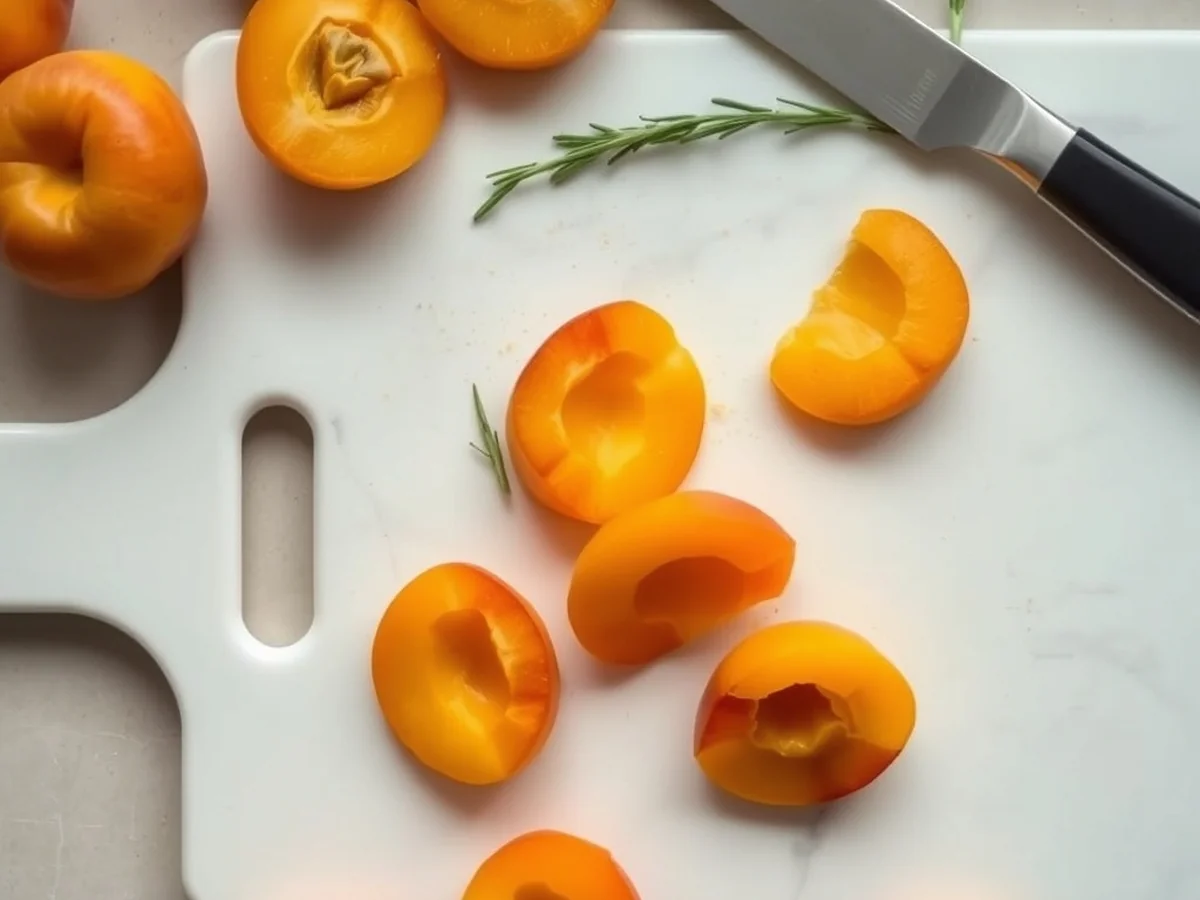
Uniform slicing is standard practice for stone fruit crisp preparation to ensure every piece cooks at the same rate. When slices vary significantly in thickness, thinner pieces can dissolve into mush before larger chunks soften, resulting in an uneven texture throughout your rosemary apricot crisp.
Apricots are a nutrient-dense choice for this dish. According to the Mississippi State University Extension Service, these fruits are a good source of dietary fiber and vitamin A, contributing both health benefits and a vibrant color to your dessert.
You may choose between fresh or frozen fruit depending on seasonal availability. If you opt for frozen apricots, keep in mind they often release more liquid as they thaw during the baking process. To maintain the structural integrity of the filling, you may need to increase the amount of thickening agent, such as cornstarch or flour, to compensate for the extra moisture.
Fresh apricots generally offer a firmer texture that holds up well under heat. When working with large quantities of either fresh or frozen fruit, remember that stone fruits typically require a thickening agent like cornstarch or flour to achieve a cohesive, jam-like consistency. This is because apricots contain natural pectin, which acts as a thickening aid during the baking process, though it often requires the support of an added starch to reach the ideal density for a crisp.
- Select firm, ripe fruit for the best flavor and texture.
- Ensure slices are consistent in size to promote even heat distribution.
- Drain excess liquid if using thawed frozen fruit to prevent a soggy crust.
- Add a starch thickener to manage the moisture content of the fruit base.
Mastering the Crisp Topping
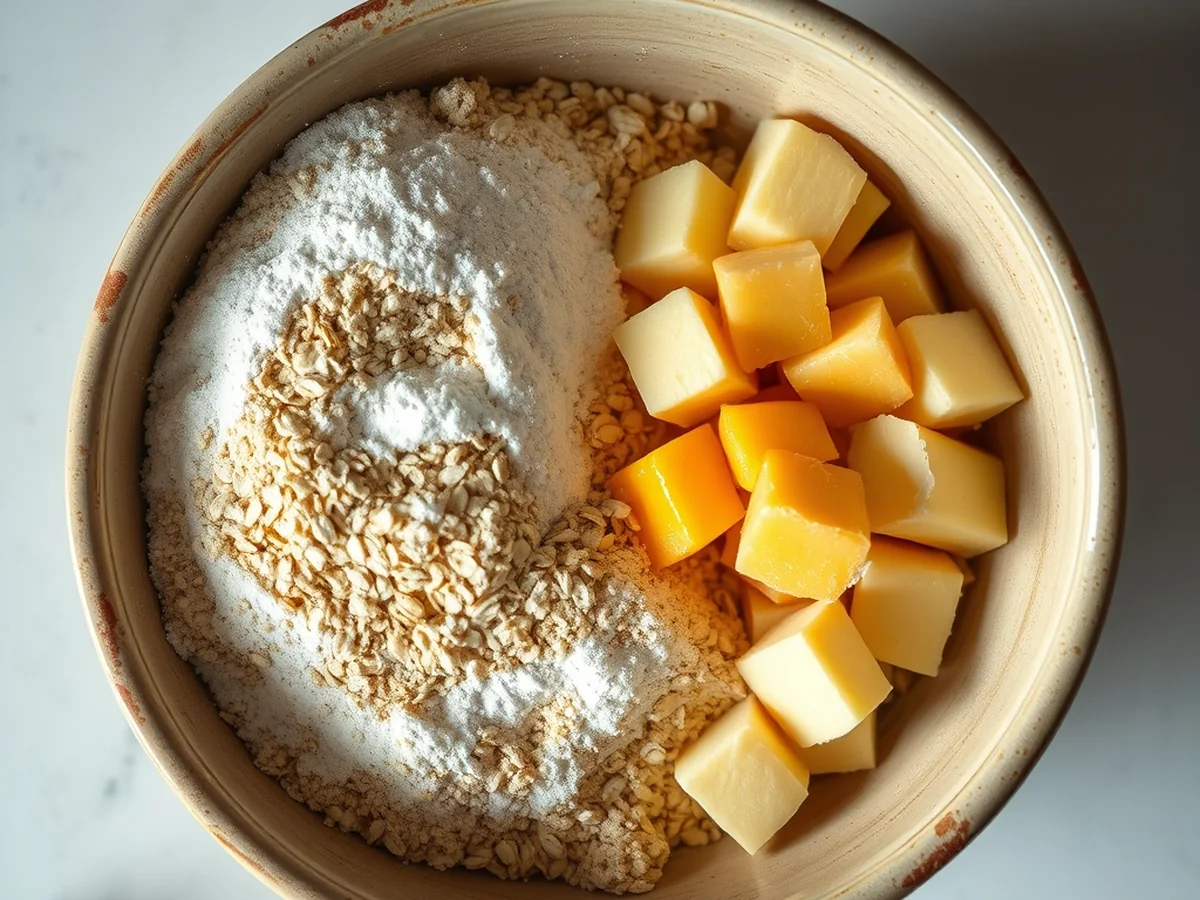
The ideal structure for a fruit-based dessert topping generally relies on a balance of rolled oats, all purpose flour, sugar, and unsalted butter. A reliable, easy fruit crisp topping ratio typically follows a blend of equal parts oats and flour, roughly half that amount in sugar, and enough cold fat to bind the dry ingredients into coarse crumbs.
Chilling the butter before incorporating it into the dry mixture is essential for achieving a crumbly texture. When small, solid pieces of cold butter are distributed throughout the flour and oats, they create tiny pockets of fat that melt slowly in the oven. This process ensures the topping remains crisp rather than becoming greasy or dense as it bakes.
To ensure your topping reaches a perfect golden, crunchy state, consider these technical adjustments during preparation:
- Distribute the topping mixture evenly across the fruit to prevent uneven browning in the baking dish.
- Avoid overworking the butter into the flour, as this can lead to a heavy, doughy result instead of a light, sandy texture.
- Ensure the oven is preheated to the recommended range of 350 to 375 degrees Fahrenheit to facilitate proper browning.
- Monitor the edges of the dish during the final minutes of baking, as they tend to caramelize and darken faster than the center.
- Increase the proportion of rolled oats if you prefer a heartier, more substantial crunch in your finished dessert.
- Let the dish rest briefly after removing it from the oven, which allows the steam to escape and helps the topping set firmly.
Stone fruit crisp preparation often benefits from this textural contrast, as the soft, pectin-rich apricots pair beautifully with the crunch of a well-made topping. By maintaining the integrity of the cold butter until the moment it enters the heat, you create a professional finish that elevates simple ingredients into a balanced, satisfying treat. Always focus on keeping your butter cold until the last possible second to maximize the mechanical lift it provides during the bake.
Balancing Herb and Fruit Flavors
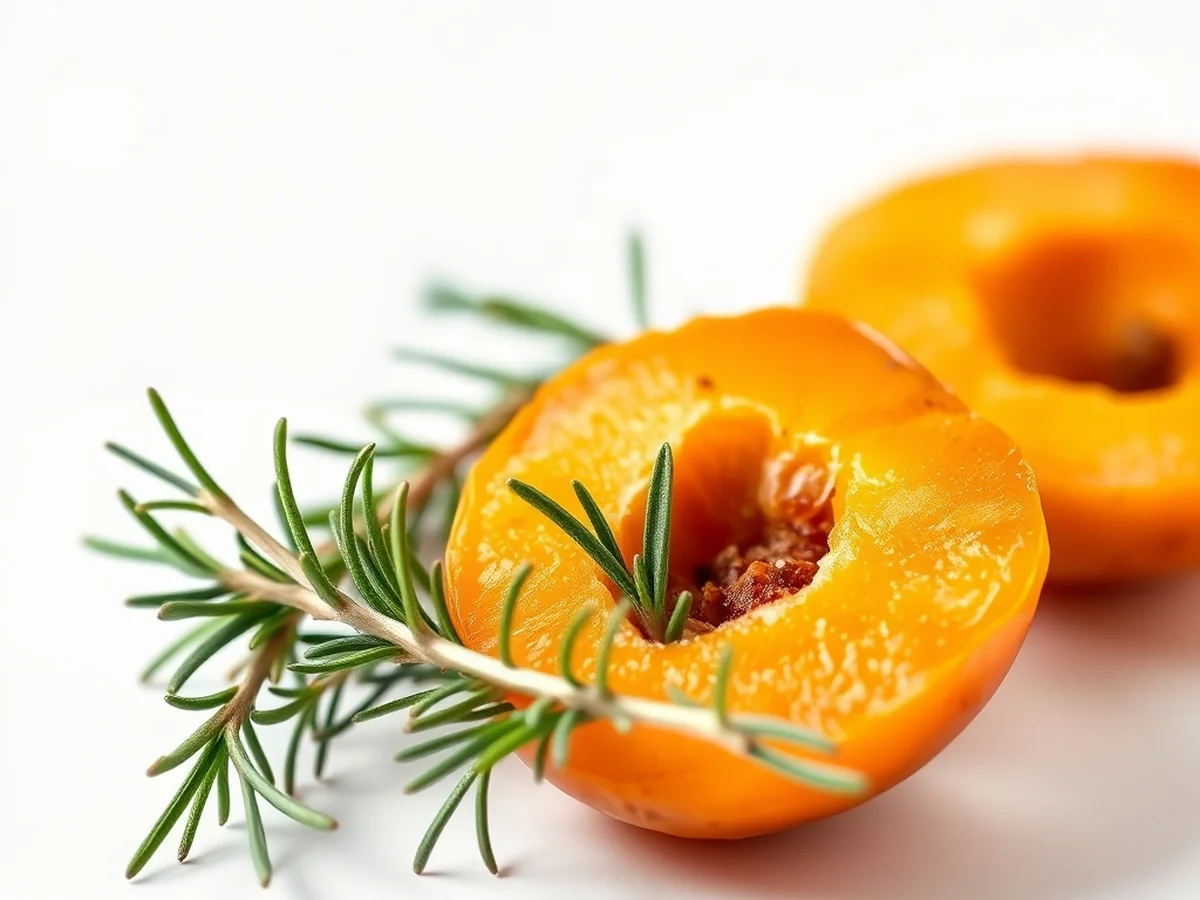
Rosemary effectively balances the natural acidity of stone fruits because its resinous, pine-like profile provides a sharp contrast to the sweetness of the fruit. This pairing works because the herb cuts through the soft texture of the fruit, preventing the final dish from becoming overly sugary or one-dimensional. When baking with fresh rosemary, the goal is to create a subtle aromatic layer that enhances rather than masks the fruit.
The role of heat is essential in this process, as it releases the essential oils from the needles of the plant. As the dish bakes, these oils infuse into the bubbling fruit juices, distributing flavor evenly throughout the pan. Because these oils are potent, using a light hand is the most effective approach to how to balance rosemary in desserts. You want the fragrance to be noticeable upon the first bite without leaving an medicinal aftertaste.
To avoid overpowering the dessert, consider these strategies when preparing your stone fruit crisp:
- Start with a very small amount of finely minced leaves to test your preference for the intensity of the herb.
- Combine the herb directly with the sugar before tossing it with the fruit to help distribute the essential oils more uniformly.
- Remember that the flavor of the herb will intensify as it sits, so keeping the quantity conservative is a safer bet for a balanced result.
Stone fruits like apricots typically require a thickening agent like cornstarch or flour when baked in large quantities to manage the moisture released during the process. While apricots contain natural pectin, which is common guidance for assisting with thickening, relying solely on that can lead to a runny texture if the fruit is very juicy. By carefully balancing the herbal elements with the thickening requirements of the fruit, you ensure the structure of the crisp remains consistent and the flavor remains bright and professional.
Thickening Apricot Filling
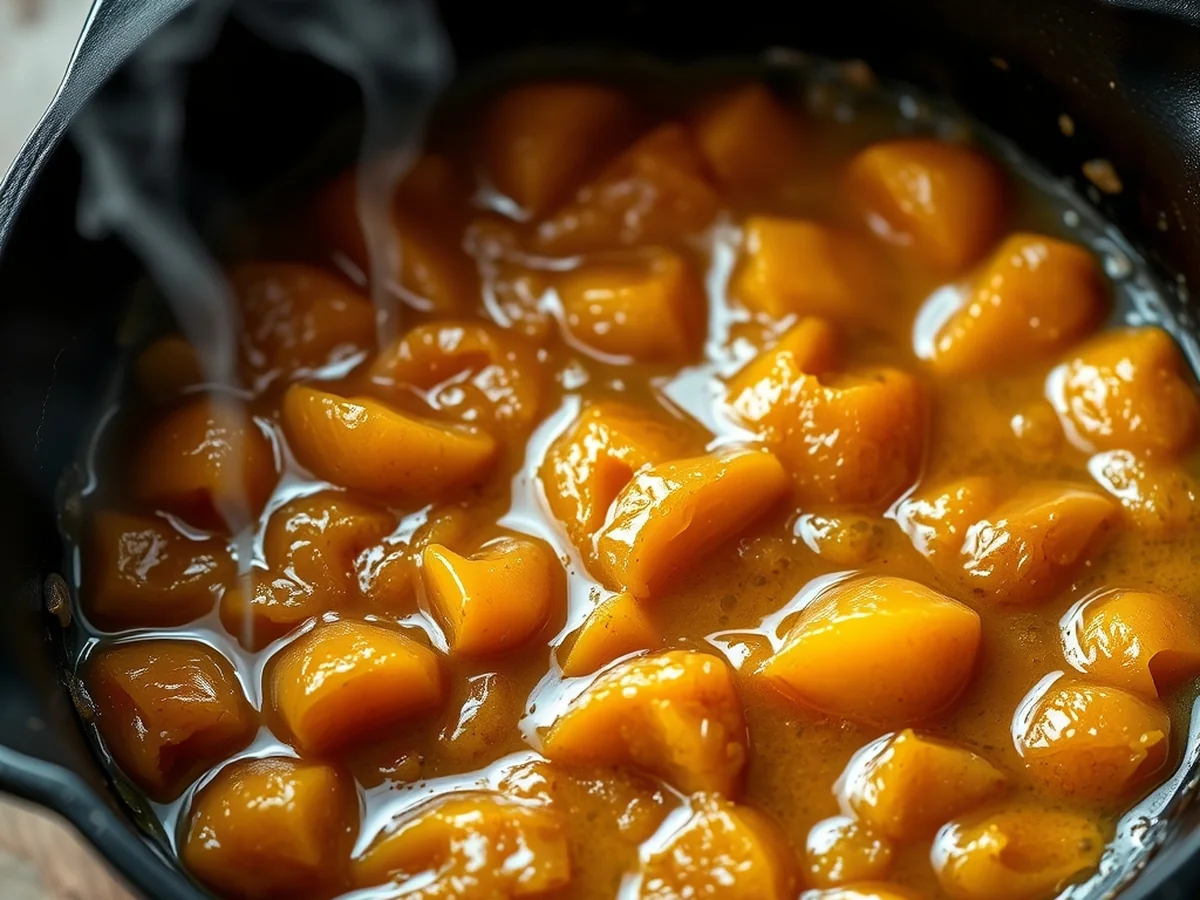
Achieving the right consistency in your filling depends on balancing the fruit’s natural properties with the volume you are preparing. While apricots contain natural pectin, which is common guidance for helping fruit thicken as it heats, this alone is often insufficient for desserts baked in larger quantities.
According to Nebraska Extension guidelines, you must use a thickening agent like cornstarch or flour when preparing stone fruits in large batches. These additives provide the structural support needed to keep your filling from becoming too runny, especially since the juices released during baking can dilute the natural pectin.
You should consider adding extra thickeners whenever the fruit appears exceptionally juicy or if you are scaling up your recipe for a larger baking dish. If your apricots are particularly ripe or frozen, they will release more liquid as they thaw and bake. In these cases, increasing your starch slightly helps maintain a pleasant texture that holds together once served.
The choice between cornstarch and flour often comes down to the desired finish. Cornstarch generally creates a clearer, glossier filling, while flour provides a more opaque, matte appearance. For a rosemary apricot crisp, either option works well to ensure the fruit juices thicken into a syrup that coats the pieces evenly. If you find your filling is still thin after testing a small portion, you can adjust your ratio of thickener in future batches to better suit the water content of your specific fruit.
Baking Your Rosemary Crisp
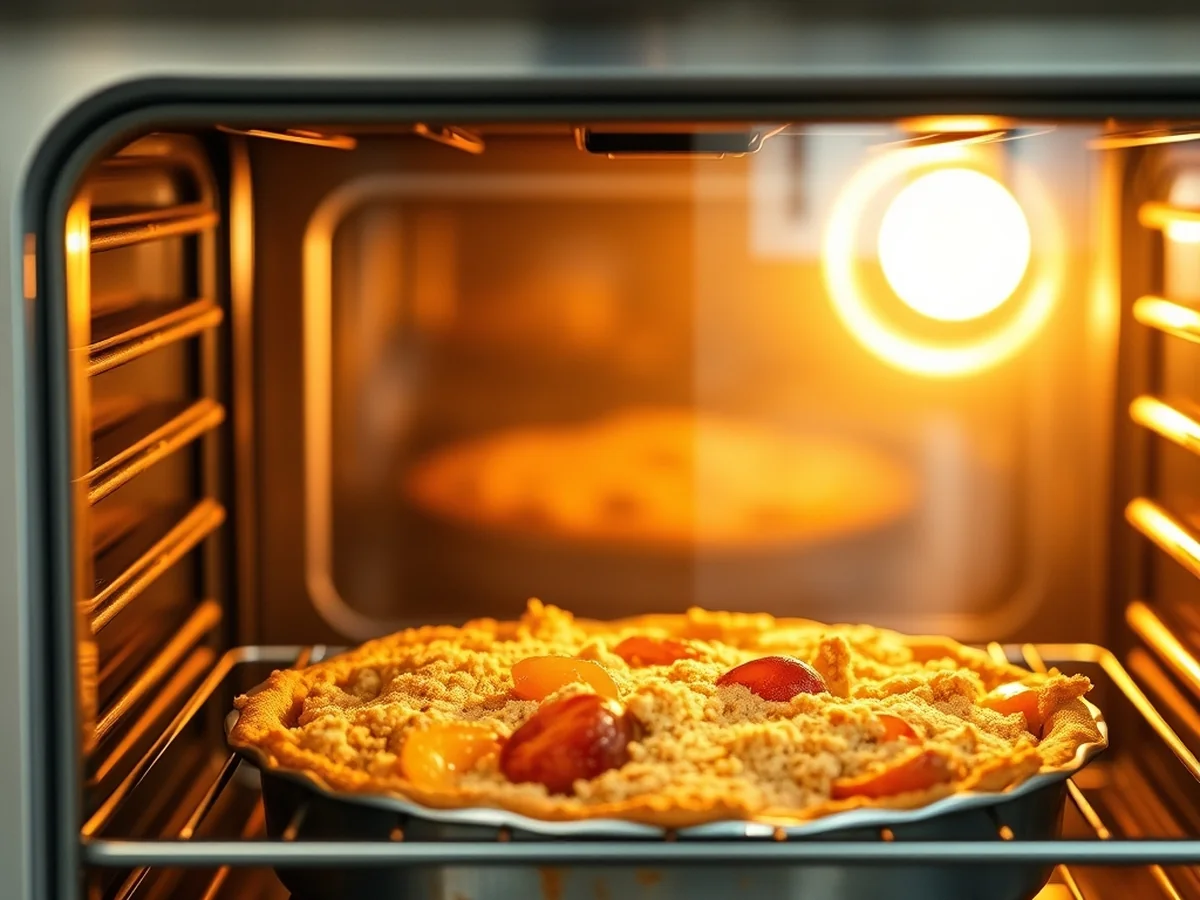
The ideal temperature to bake this fruit-based dessert typically ranges between 350 and 375 degrees Fahrenheit. This range allows the fruit to soften and the topping to achieve a golden, crisp finish without burning the delicate herbal notes.
When preparing your stone fruit crisp, remember that stone fruits like apricots typically require a thickening agent such as cornstarch or flour when baked in large quantities. While apricots contain natural pectin which aids in thickening fruit fillings during the baking process, adding a starch ensures the juices set properly rather than becoming overly runny.
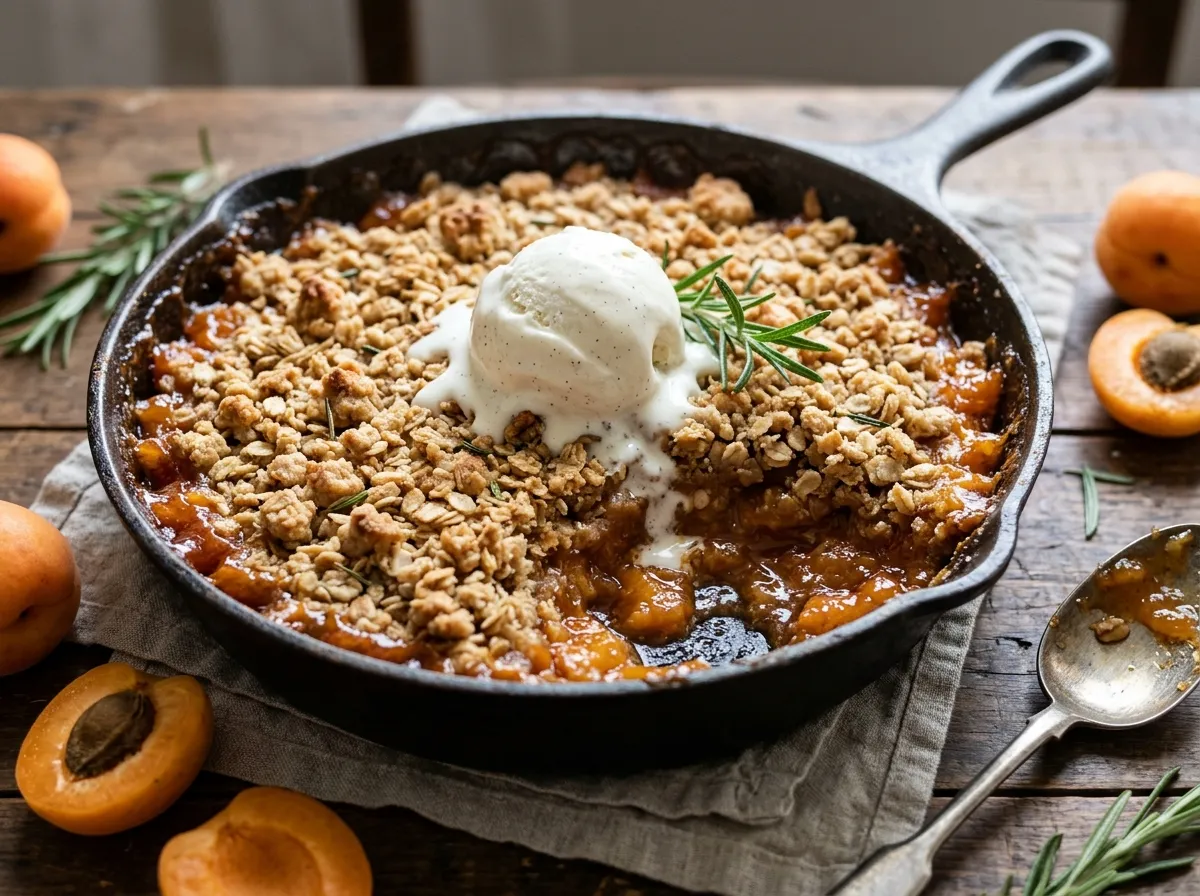
For the best experience, fruit crisps are best served warm. Serving the dish shortly after it comes out of the oven highlights the aromatic qualities of the woody herb, which is commonly understood to release oils when heated. This makes it an ideal ingredient for infusion in fruit desserts, as the warmth helps distribute the flavor throughout the filling.
To balance the earthy profile of this apricot crisp recipe with herbs, consider these classic accompaniments:
- A generous scoop of creamy vanilla ice cream, which contrasts perfectly with the warm fruit.
- A dollop of freshly whipped cream to add a light, silky texture.
- A drizzle of light honey or a sprinkle of toasted nuts if you want added crunch.
When assembling your topping, standard fruit crisp topping ratios generally favor a mix of flour, sugar, butter, and rolled oats. Chilling the butter before incorporating it into the topping helps achieve a crumbly texture that holds up well against the bubbling fruit. By keeping the butter cold, you ensure that the fat pockets melt slowly, creating a light and airy crust rather than one that feels greasy or dense.
Always ensure your apricots are pitted and sliced uniformly to ensure even cooking throughout the baking dish. Consistency in size prevents smaller pieces from turning into mush while larger slices remain undercooked. This attention to detail results in a balanced final product where the fruit retains its structure and nutritional value.
Storing Rosemary Apricot Crisp
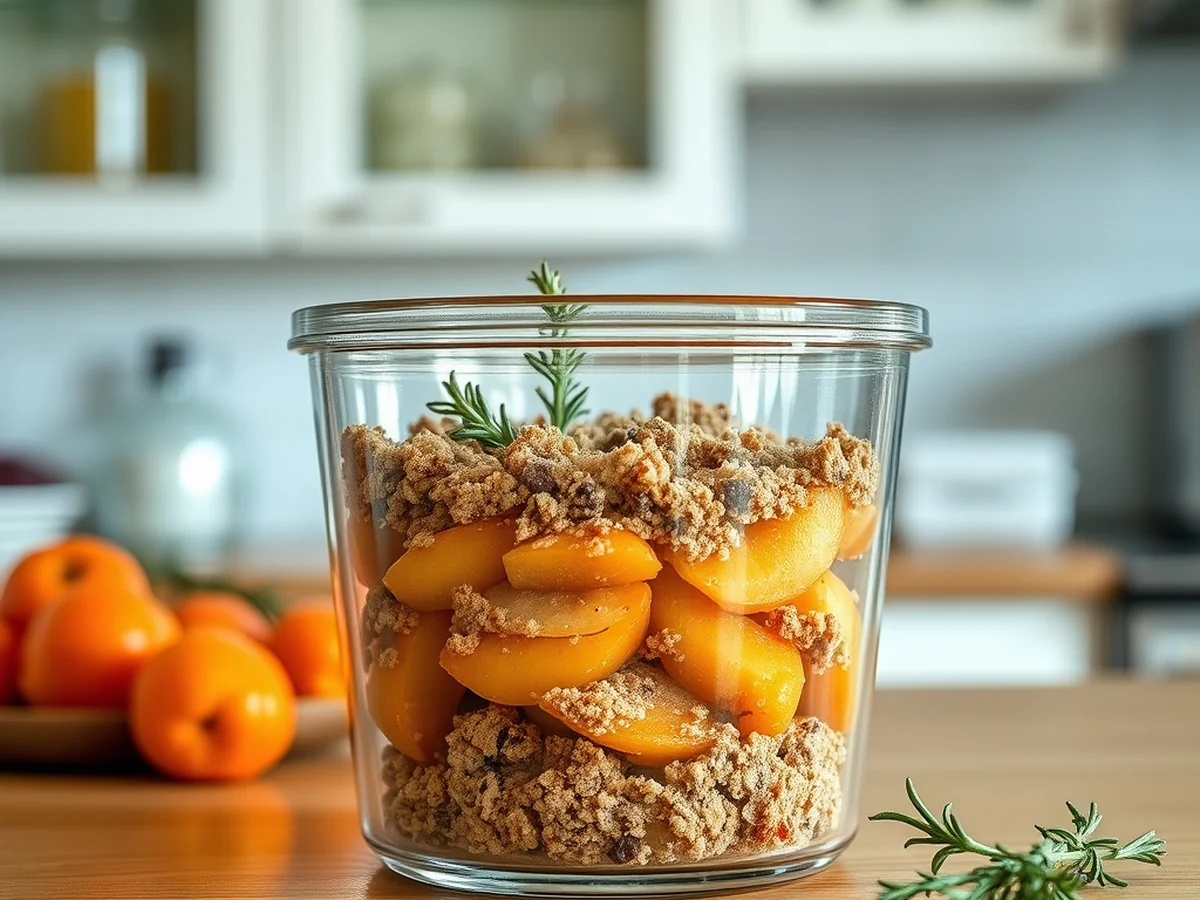
To keep your rosemary apricot crisp tasting its best, store it in an airtight container in the refrigerator for up to three days. Maintaining the texture depends largely on controlling moisture levels, as the topping will naturally soften when exposed to the humidity released by the fruit filling.
Follow these practices to ensure your dessert remains as enjoyable as when it was first baked:
- Allow the dish to cool completely to room temperature before covering, as trapping steam inside the container will cause the crisp topping to become soggy quickly.
- Use a shallow, wide container rather than a deep one to prevent the weight of the fruit from compressing the oat-based layer.
- Place a paper towel between the lid and the surface of the crisp to absorb any excess condensation that may form during refrigeration.
- Avoid freezing the dessert if possible, as the thawing process often compromises the structural integrity of the baked topping.
- Reheat individual portions in a conventional oven or toaster oven at a low temperature to help crisp the oats without overcooking the softened fruit.
- Steer clear of the microwave for reheating, as this method typically results in a gummy texture that loses the contrast between the tender fruit and the crunchy topping.
Beyond storage, ingredient quality plays a significant role in how well the dessert holds up over time. Stone fruits like apricots typically require a thickening agent like cornstarch or flour when baked in large quantities to help manage the juices. Because apricots are a good source of dietary fiber and vitamin A, they provide a nutritious base, though it is typical practice to slice them uniformly to ensure even cooking. Apricots also contain natural pectin, which is often considered an aid in thickening fruit fillings during the baking process.
Achieving a stable, crumbly topping that resists turning mushy during storage relies on technique. Chilling the butter before incorporating it into the topping is a verified method to achieve this texture. For the topping itself, common guidance suggests a ratio favoring flour, sugar, butter, and rolled oats. Finally, keep in mind that rosemary is a woody herb that releases oils when heated, making it suitable for infusion in fruit desserts. Ensure consistent distribution of the herb to maintain a balanced flavor profile across every portion you save for later.
Apricot Crisp Ingredient Swaps
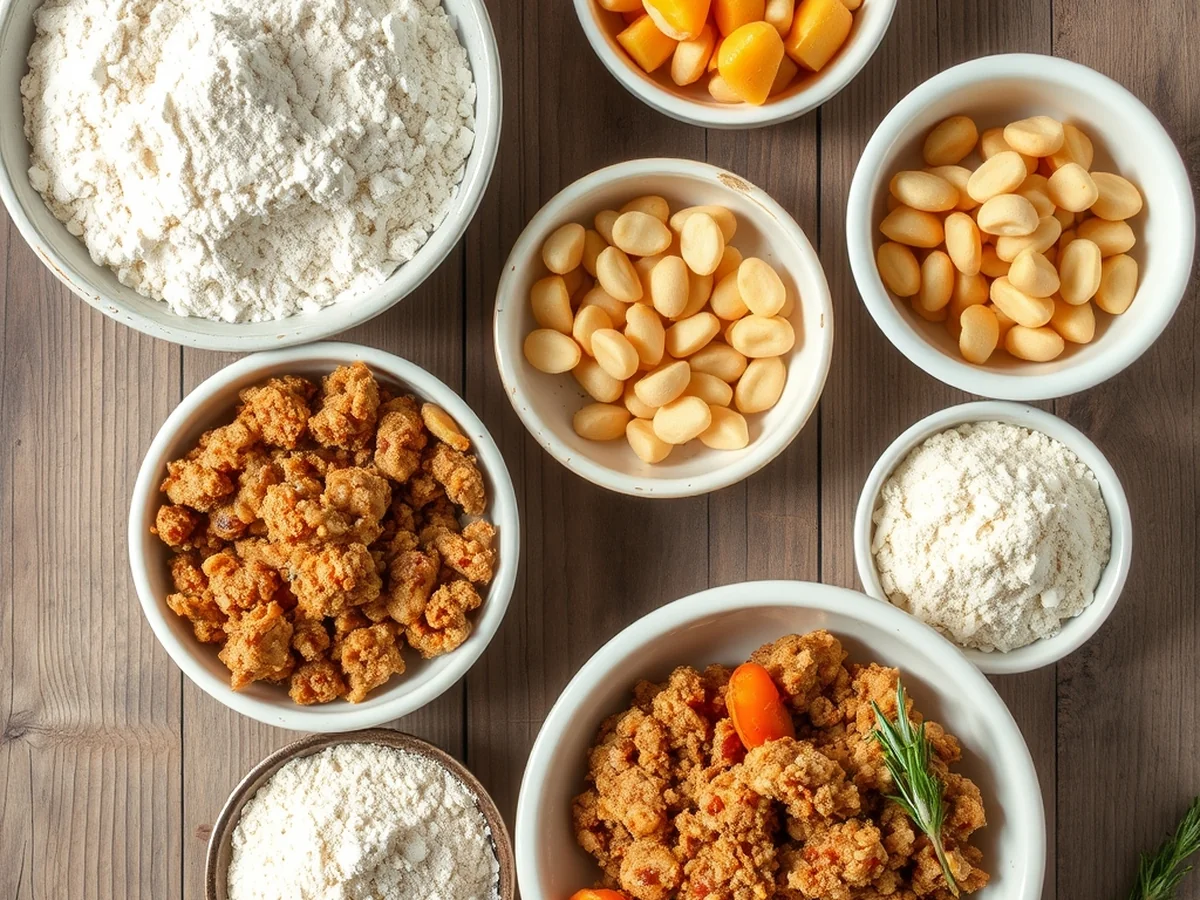
Adapting a fruit crisp for specific dietary needs or pantry constraints is straightforward when you understand the function of each component. Standard fruit crisp topping ratios generally favor a mix of flour, sugar, butter, and rolled oats, but these can be adjusted to support different textures or nutritional goals without compromising the integrity of your dessert.
| Ingredient | Common Swap | Function |
|---|---|---|
| All-purpose flour | Almond flour or gluten-free blend | Provides essential structure to the topping |
| Rolled oats | Quinoa flakes | Creates a crumbly, textured surface |
| Granulated sugar | Coconut sugar or maple syrup | Adds sweetness and aids caramelization |
| Unsalted butter | Coconut oil or plant-based spread | Binds the topping and adds richness |
| Cornstarch | Arrowroot powder | Acts as a necessary thickening agent |
When preparing stone fruit, such as Prunus armeniaca, it is a requirement to include a thickening agent like cornstarch when baking in large quantities. This ensures the filling reaches the proper consistency as the fruit releases moisture. While it is common practice to acknowledge that apricots contain natural pectin which aids in thickening, relying on this alone is often insufficient for a high-quality finished product, making added starch necessary to prevent the dessert from becoming overly runny.
Practical adjustments require attention to detail. If you swap butter for plant-based alternatives, ensure the substitute is chilled before incorporating it into the topping, as chilling the fat is a key technique for achieving a signature crumbly texture. If you choose to replace rolled oats with gluten-free alternatives like quinoa flakes, verify the substitute provides enough bulk to hold the topping together.
Additionally, be mindful that liquid sweeteners like maple syrup will alter the moisture content compared to granulated sugar, potentially requiring a slightly longer bake time to achieve the desired golden finish. Always monitor the baking dish closely as the crisp nears completion to avoid burning the delicate topping, especially if using alternative sugars that caramelize at different rates.
For those interested in balancing flavor profiles, adding Rosmarinus officinalis is a common practice. Since this is a woody herb that releases oils when heated, it is suitable for infusion in fruit desserts. To avoid an overpowering flavor, start with a conservative amount and adjust based on your preference for herbal intensity.
FAQ
What herb goes best with apricots in a crisp?
Rosemary is a popular choice for pairing with apricots because it is a woody herb that typically releases fragrant oils when heated, which complements the tartness of the stone fruit. Other herbs like thyme or basil also work well, but you should start with a small amount to ensure the herbal notes do not overwhelm the fruit.
Do I need a thickening agent for an apricot crisp?
Stone fruits like apricots typically require a thickening agent such as cornstarch or flour when baked in large quantities to prevent the filling from becoming too thin. While apricots contain natural pectin that aids in thickening during the baking process, adding a starch ensures the juices set properly rather than pooling at the bottom of the dish.
How do I achieve the best texture for a crisp topping?
Chilling the butter before incorporating it into the dry ingredients is a verified method to help achieve a crumbly, golden texture. It is common practice to use a standard fruit crisp topping ratio consisting of flour, sugar, butter, and rolled oats to create that signature crunch.
What is the ideal temperature for baking a fruit crisp?
The ideal oven temperature for fruit crisps typically ranges between 350 and 375 degrees Fahrenheit. This range allows the fruit to soften and release its juices while ensuring the topping browns evenly without burning.
What is the best way to serve a rosemary apricot crisp?
Fruit crisps are best served warm, often accompanied by vanilla ice cream or whipped cream to balance the intensity of the baked fruit. Serving the dish shortly after it comes out of the oven ensures that the contrast between the warm filling and the cool cream remains enjoyable.
Conclusion
The final decision rests on your personal preference for intensity when pairing woody herbs with stone fruit. While standard fruit crisp topping ratios generally favor a mix of flour, sugar, butter, and rolled oats, small adjustments to the herb quantity will significantly alter the final profile. If you are ready to experiment with this flavor combination, gather your ingredients and prepare a rosemary apricot crisp to see how these elements balance in your own kitchen. Serving your creation warm with a dollop of cream remains the best way to enjoy the contrast between the tender fruit and the crisp topping.
Sources: go.unl.edu, happyhealthy.extension.msstate.edu, cdn.jacksonms.gov, extension.unh.edu
You might also like: how to meal prep with eggs