brussels sprouts sweet potato sheet pan hash
Introduction
A sweet potato sheet pan meal provides a straightforward way to roast vegetables alongside flavorful additions like brussels sprouts. Using a single baking sheet minimizes cleanup while delivering consistent results for a quick, nutritious dinner.
This guide covers the essential techniques for achieving perfectly roasted vegetables using simple pantry staples. You will learn how to prepare ingredients for even cooking, select the right seasonings, and manage oven timing to balance textures. We focus on creating healthy vegetable sheet pan meals that prioritize both flavor and efficiency in your kitchen routine.
Ingredients for Sweet Potato Hash
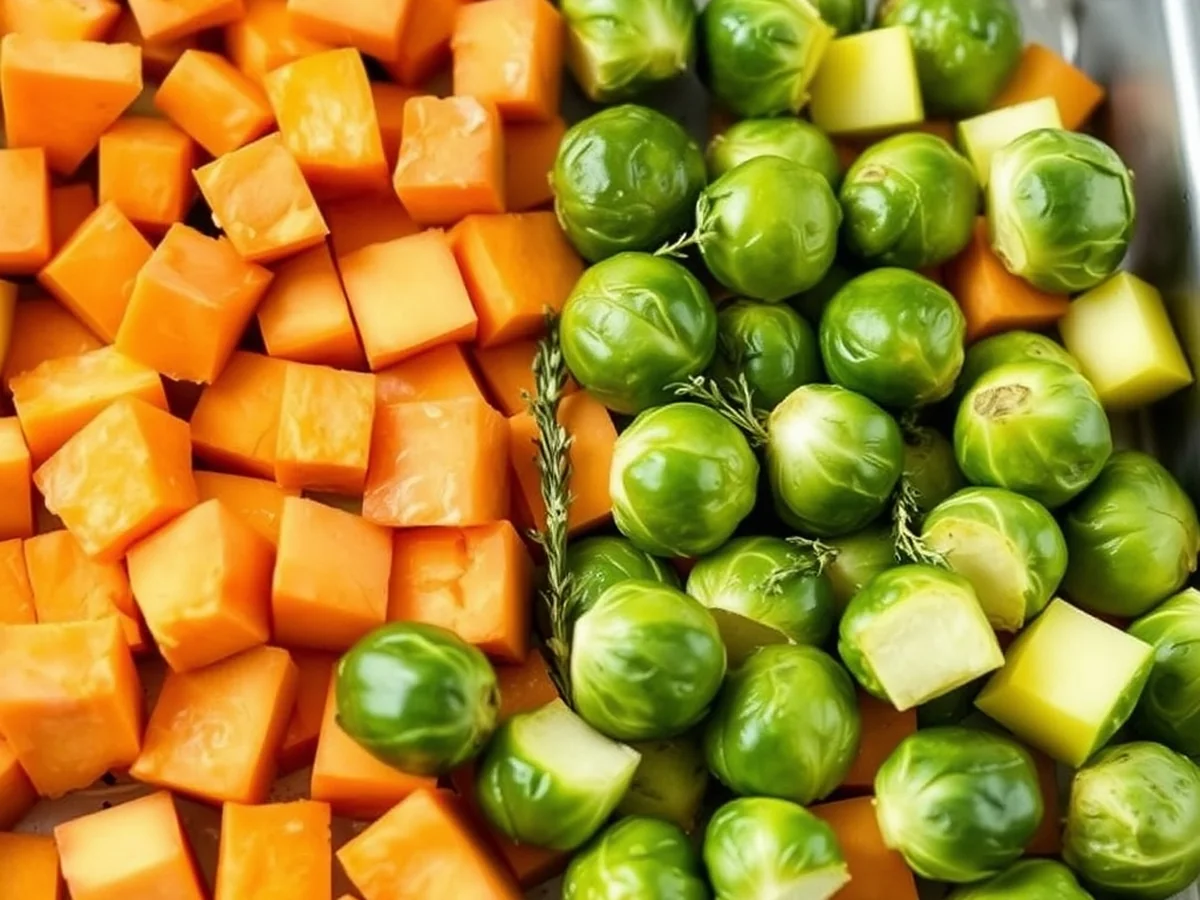
Creating a balanced sweet potato sheet pan meal requires selecting ingredients that complement one another in both texture and cooking time. The foundation of this dish relies on fresh produce that can withstand high heat without losing structure. By choosing firm sweet potatoes and vibrant brussels sprouts, you ensure a base that offers a blend of natural sweetness and earthy, nutty notes.
Essential Components for Success
The success of these healthy vegetable sheet pan meals depends on the quality of your fats and seasonings. High-quality olive oil is critical because it conducts heat efficiently, allowing the vegetables to roast rather than steam. When selecting your produce, look for sweet potatoes that are firm to the touch with smooth skin. For the brussels sprouts, choose smaller, compact heads, as these tend to caramelize more evenly in the oven.
Proper seasoning is the final piece of the puzzle. Kosher salt draws out excess moisture, which is essential for achieving the right texture, while fresh thyme provides an aromatic finish that cuts through the starchiness of the potatoes. Using fresh herbs instead of dried versions makes a noticeable difference in the brightness of the final dish.
- Two large sweet potatoes, peeled and cut into uniform pieces
- One pound of fresh brussels sprouts, trimmed and halved
- Three tablespoons of high-quality olive oil
- One teaspoon of kosher salt
- One tablespoon of fresh thyme leaves
Techniques for Optimal Texture
Achieving crispy sweet potato cubes alongside perfectly roasted sprouts is a matter of preparation. Uniformity is the most important factor in how to roast sweet potatoes successfully. If your potato pieces vary significantly in size, smaller ones will turn to mush before larger ones are cooked through. Aim for one-inch cubes to ensure they cook at the same rate as halved sprouts.
Using a baking sheet lined with parchment paper prevents sticking and makes cleanup efficient. To further improve results, avoid overcrowding the pan. When vegetables are too close together, they release steam rather than browning. A convection oven is particularly effective here, as the circulating air helps develop a golden exterior while keeping the centers tender. If you are experimenting with various sheet pan dinner recipes, remember that the roasting temperature should be high enough to encourage caramelization. Monitoring the color of the sprouts serves as a reliable visual indicator that your dish is reaching the desired state of doneness.
Essential Preparation Tools
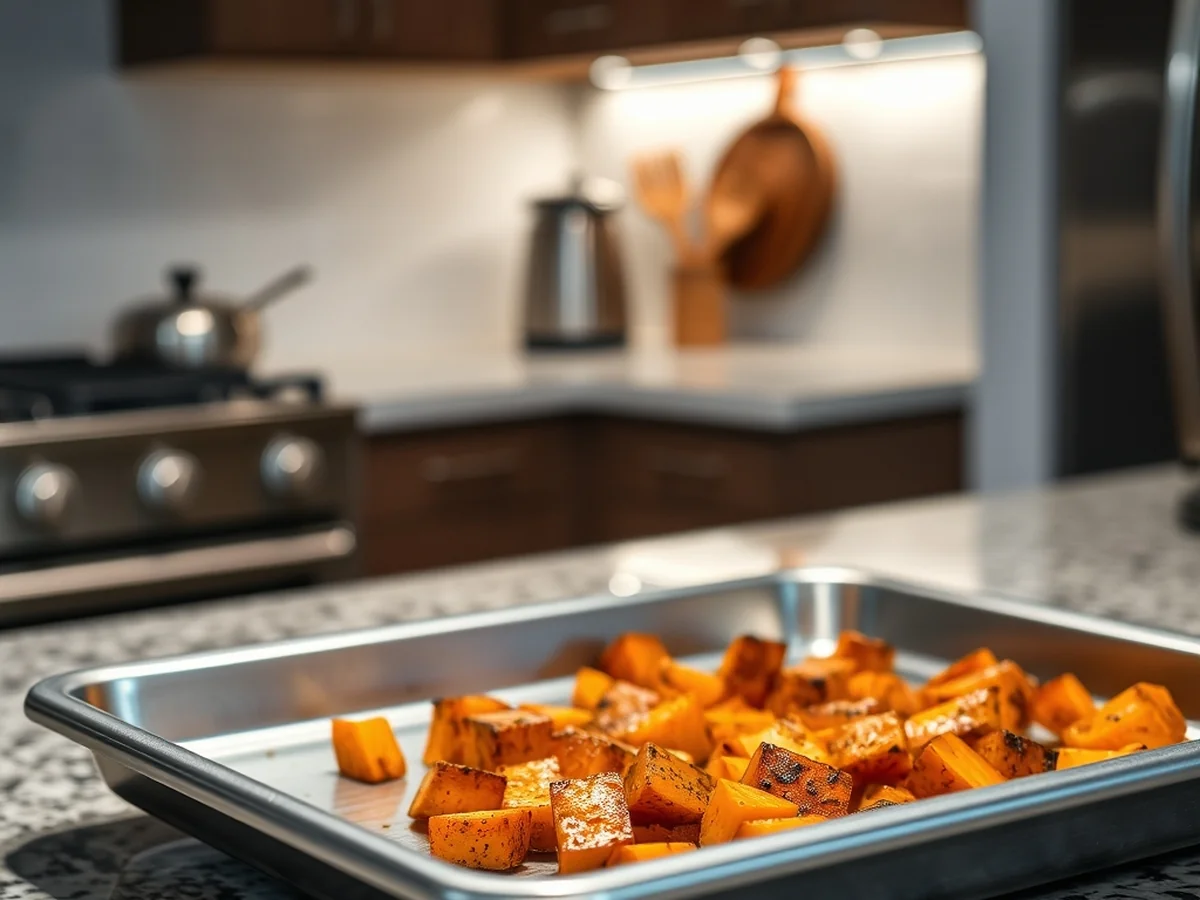
Using the right equipment ensures your roasted vegetables cook evenly and cleanup remains simple. Investing in a few basic items transforms how you manage your oven-roasted meals.
- Select a heavy-duty, sturdy baking sheet to promote consistent heat distribution across the surface, which helps prevent burnt spots and encourages uniform browning.
- Line your tray with parchment paper before arranging your ingredients to create a non-stick barrier that makes washing up nearly effortless.
- Use a sharp chef knife to achieve uniform cuts on your vegetables, as consistent sizing ensures every piece finishes roasting at the same time.
- Keep a large cutting board stable on your counter by placing a damp paper towel underneath it to prevent dangerous slipping while you slice.
A thick, high-quality metal tray holds heat better than thin alternatives. This thermal mass is important because it prevents the temperature from dropping sharply when you add cold vegetables to the oven. Steady heat allows the exterior of your ingredients to caramelize properly while the centers become tender. Avoid overcrowding the surface, as this traps steam and results in soggy textures rather than the desired roasted finish.
Parchment paper acts as a protective shield for your cookware. It traps oils and juices that might otherwise bake onto the metal, meaning you can simply lift the liner away once the food is served. This simple step saves significant time during cleanup and keeps your equipment in good condition for future use.
Uniformity in your knife work is the secret to success with any roasted vegetable medley. When you cut your ingredients into similar sizes, you ensure that dense items like tubers cook through at the same rate as more delicate vegetables. A sharp blade allows for precise cuts with minimal effort, reducing the risk of accidental slips. Taking the time to prepare your ingredients consistently guarantees a better final texture and a more professional presentation on your plate.
Mastering Perfect Roasting
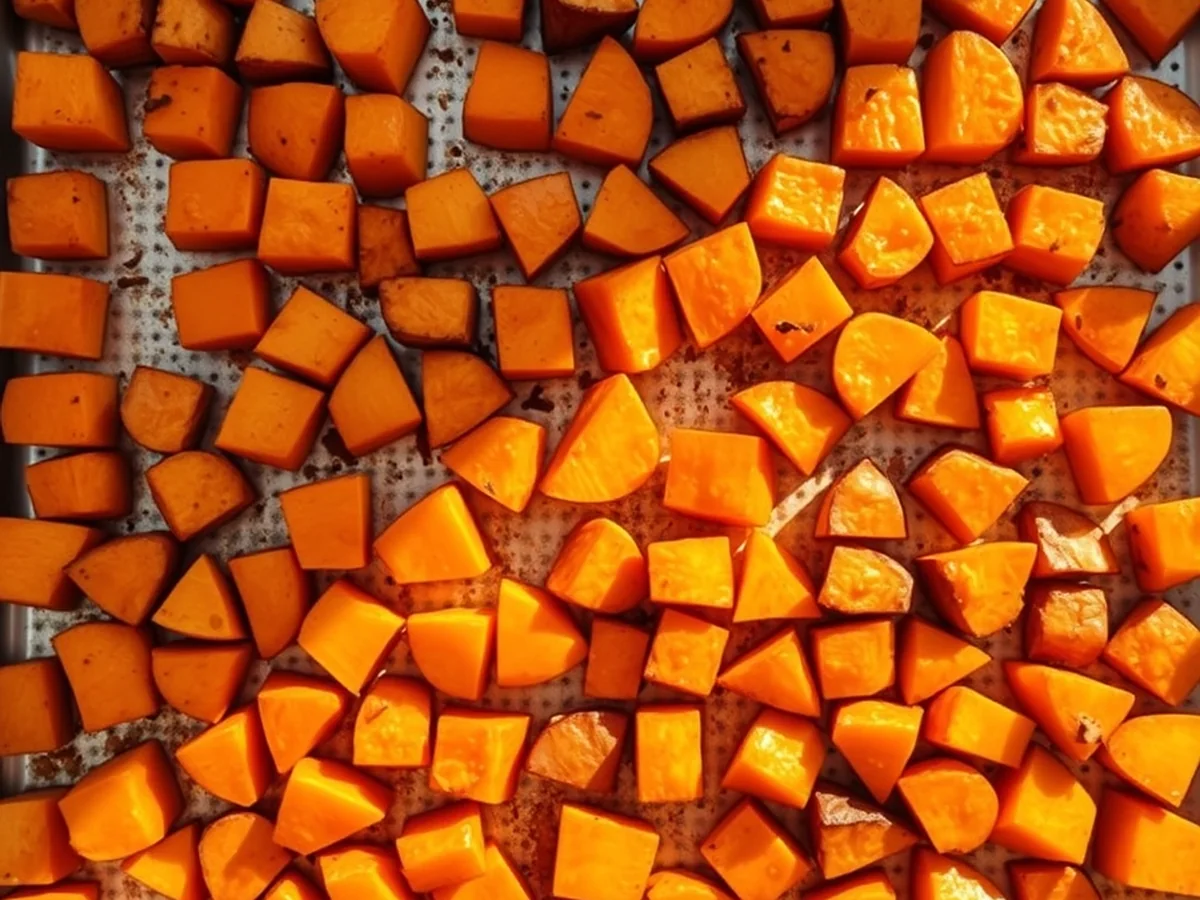
Achieving the ideal texture for your sweet potato sheet pan meal requires attention to surface area and heat distribution. By cutting your vegetables into uniform, bite sized cubes, you ensure that every piece cooks at the same rate. Spreading them in a single layer on your baking sheet is the most effective way to encourage browning rather than steaming. When pieces overlap, they release moisture that gets trapped, resulting in a soft or mushy texture instead of the desired crisp finish.
Optimizing Heat and Equipment
Selecting the correct roasting temperature is essential to balance a tender interior with a caramelized exterior. A moderate to high heat setting allows natural sugars to caramelize without burning the edges. If you are using a convection oven, the fan circulating the air speeds up the cooking process. You may need to monitor your vegetables closely or lower the temperature slightly to prevent the outsides from darkening too quickly before the centers are fully tender. Lining your tray with parchment paper is a practical step that prevents sticking and makes cleanup easier.
Seasoning for Texture and Flavor
Ingredients like olive oil and kosher salt serve both functional and flavor roles when preparing healthy vegetable sheet pan meals. Olive oil acts as a heat conductor, which helps create an even, golden brown crust across the surface of the cubes. Meanwhile, kosher salt is preferred by many home cooks because its coarse texture adheres well to the surface of the vegetable and helps draw out excess moisture. Adding fresh herbs like thyme toward the end of the cooking process can provide an aromatic finish without burning the delicate leaves.
Common Roasting Errors
One frequent mistake when learning how to roast sweet potatoes is overcrowding the pan. For the best results, ensure there is enough space between each cube so that hot air can circulate freely. If you are combining your potatoes with other ingredients, such as when making roasted brussels sprouts and sweet potatoes, add the vegetables that require longer cooking times first. This methodical approach ensures that every component of your meal reaches peak flavor and texture simultaneously.
Vegetable Combinations for Sheet Pans
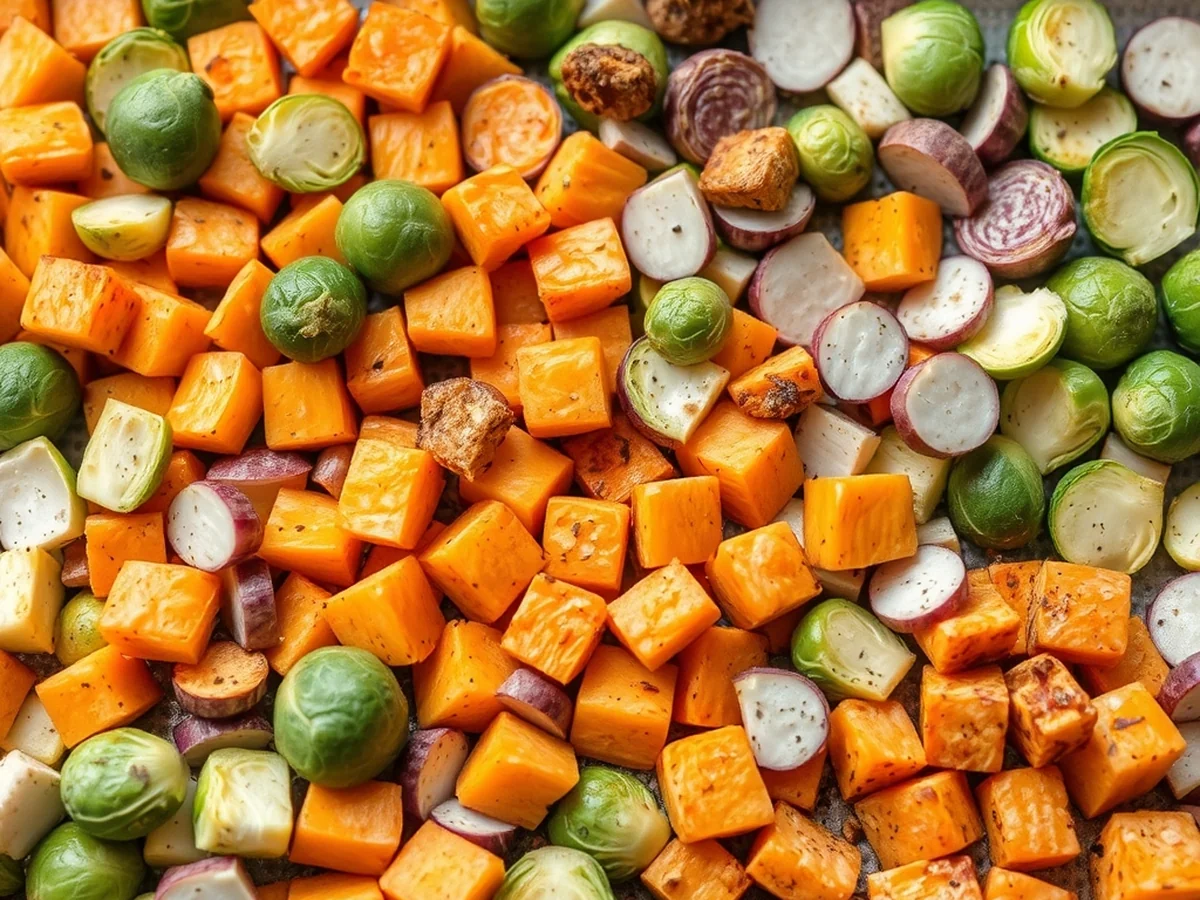
Creating balanced meals on a single tray relies on pairing dense root vegetables with cruciferous greens and a reliable protein source. By matching ingredients with similar roasting times, you can achieve a consistent texture across your entire tray.
Including roasted brussels sprouts and sweet potatoes provides a contrast between earthy, caramelized sugars and slightly bitter, charred leaves. This combination works particularly well when you need to bulk up your dinner without sacrificing the nutritional quality that makes sheet pan cooking an excellent choice for daily meals.
You can easily customize these dishes to match your personal palate or whatever is currently in your refrigerator. Consider these tips for mixing and matching ingredients:
- Add a lean protein like chicken breast or pre-cooked sausage to ensure the meal supports your daily intake goals.
- Ensure your root vegetables are cut into uniform pieces so they reach the desired tenderness at the same time as smaller greens.
- Use parchment paper to prevent sticking and simplify the cleanup process after your oven cycle finishes.
- Incorporate aromatics like fresh thyme or rosemary to elevate the natural flavors of the produce without needing heavy sauces.
- Toss all ingredients in a light coating of olive oil and a pinch of kosher salt to encourage even browning and caramelization.
- Adjust your roasting temperature based on your specific oven type, as convection settings often cook faster than standard radiant heat.
Flexibility is the main benefit of this cooking method. If you prefer a different texture, try swapping sweet potatoes for butternut squash or replacing sprouts with broccoli florets. Adjusting the size of your cuts allows you to manage how quickly each component softens, making it simple to experiment with new flavor profiles while maintaining the efficiency of a single pan. Focus on keeping your protein sources thinly sliced or chopped to match the roasting speed of your chosen vegetables.
Achieving Crispy Textures
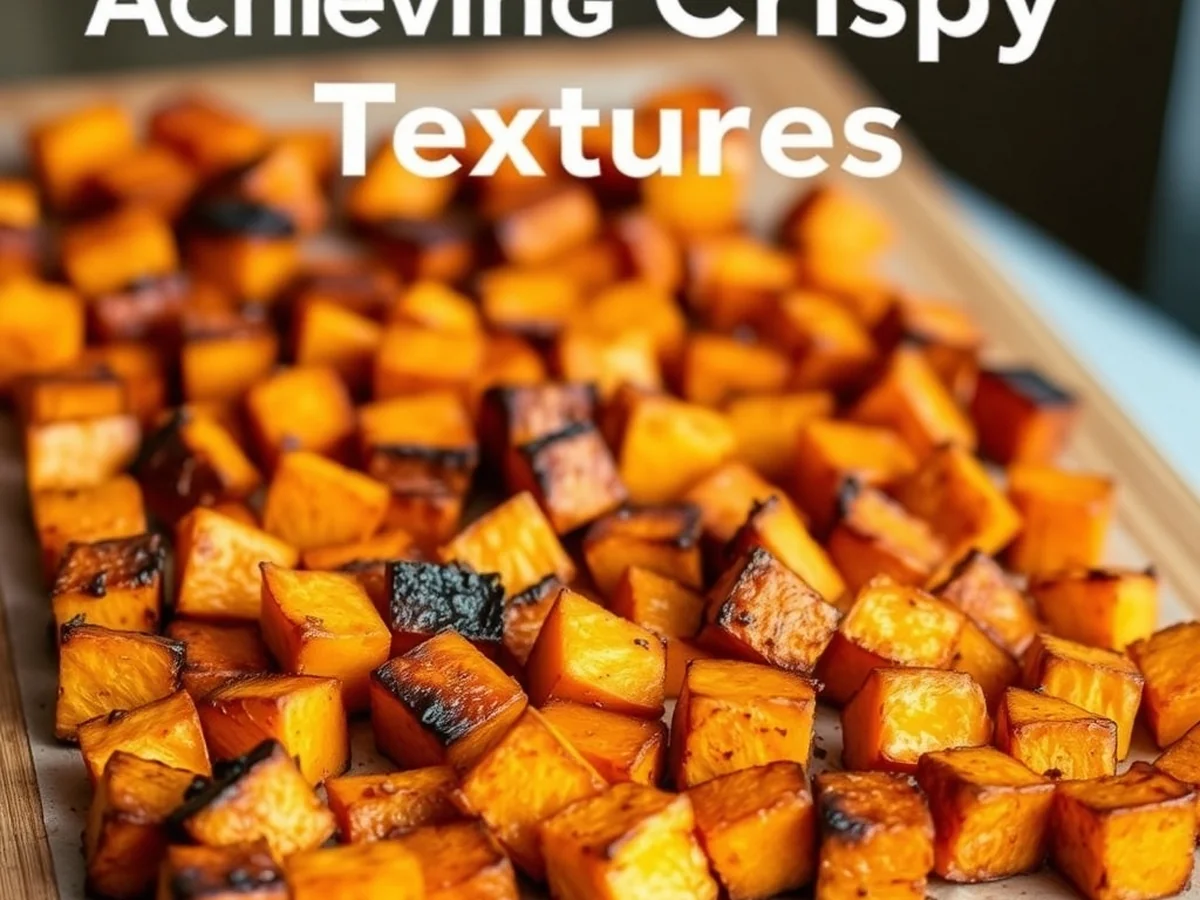
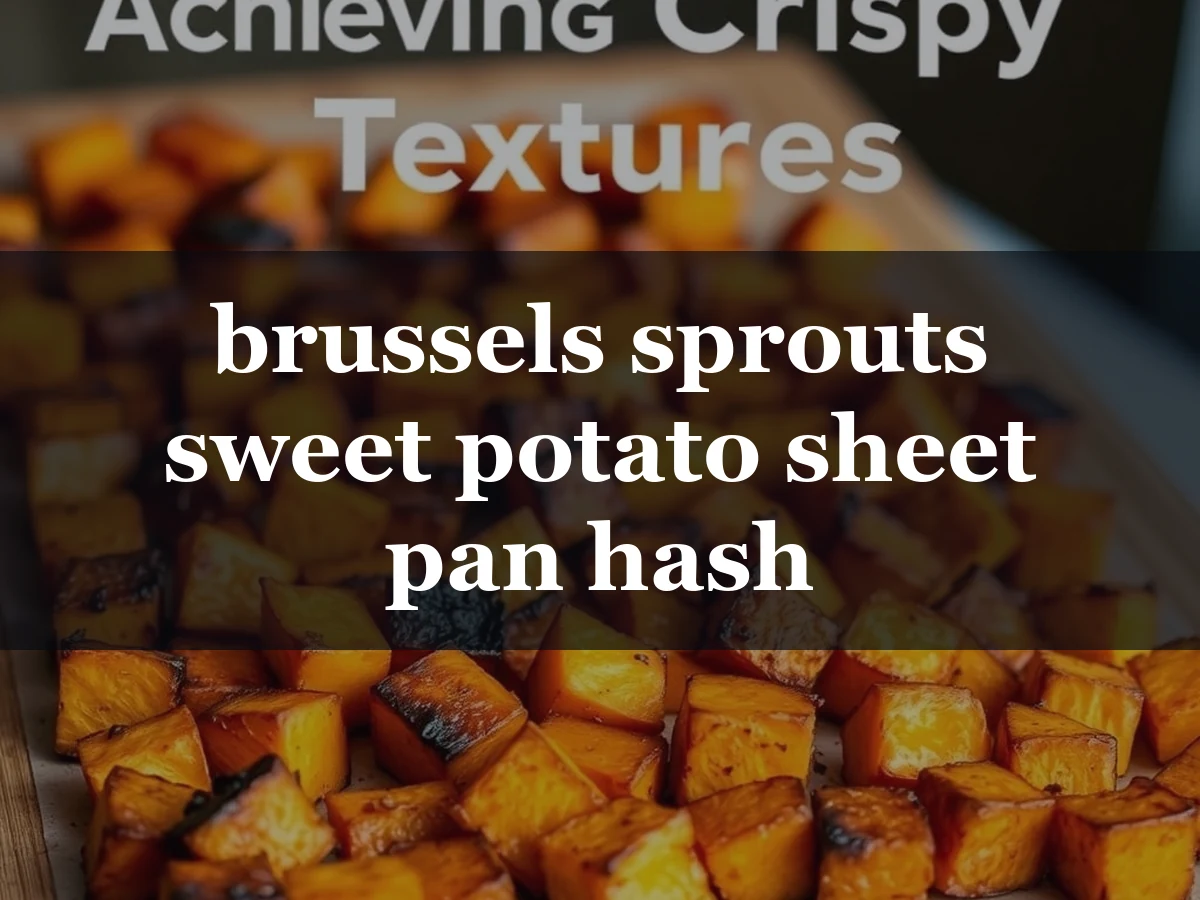
The goal for many home cooks preparing a sweet potato sheet pan meal is achieving a caramelized, crisp exterior while maintaining a tender center. This texture relies on moisture management and heat distribution. When vegetables release water during the cooking process, that liquid must evaporate completely to allow for browning. If the baking sheet is too crowded, the moisture remains trapped, effectively steaming the ingredients rather than roasting them. This leads to soft, mushy textures that lack the desired crunch.
Mastering Heat and Airflow
To optimize your results, start by organizing your ingredients in a single, even layer. Each cube should have enough physical space to breathe, preventing the edges from touching. This spacing is essential for high-quality sheet pan dinner recipes because it allows hot air to circulate freely around every side of the potato. Using a heavy-duty baking sheet helps maintain consistent temperatures, while lining it with parchment paper can simplify cleanup without compromising the browning process.
Your choice of equipment also impacts the final outcome. A convection oven is particularly effective for roasting because the integrated fan continuously moves hot air through the oven cavity. This constant motion accelerates the evaporation of surface moisture, which is the secret to getting crispy sweet potato cubes. If you are using a standard static oven, consider rotating your pan halfway through the cooking time to account for uneven heat zones and ensure a more uniform texture across the entire tray.
Refining Your Technique
Preparation steps taken before the pan enters the oven are just as important as the roasting environment itself. Uniformity in cutting is critical. When your potato cubes are roughly the same size, they finish cooking simultaneously, which prevents smaller pieces from burning while larger ones remain undercooked. Furthermore, removing surface moisture is a pro-level tip. After washing or cutting your vegetables, pat them dry with a clean towel. Excess water on the surface of the potato creates a barrier that delays the crisping effect.
When seasoning, ensure you coat the cubes thoroughly with olive oil. Fat acts as a heat conductor, helping the surface reach the necessary temperature to trigger caramelization. A light dusting of kosher salt also draws out slight amounts of moisture, which encourages a deeper golden hue. If you enjoy extra flavor, adding fresh thyme during the final minutes of roasting can elevate the dish without risking the herbs burning prematurely. Following these refined steps ensures your meals deliver consistent, high-quality results every time you cook.
Storing Leftover Sweet Potato Hash
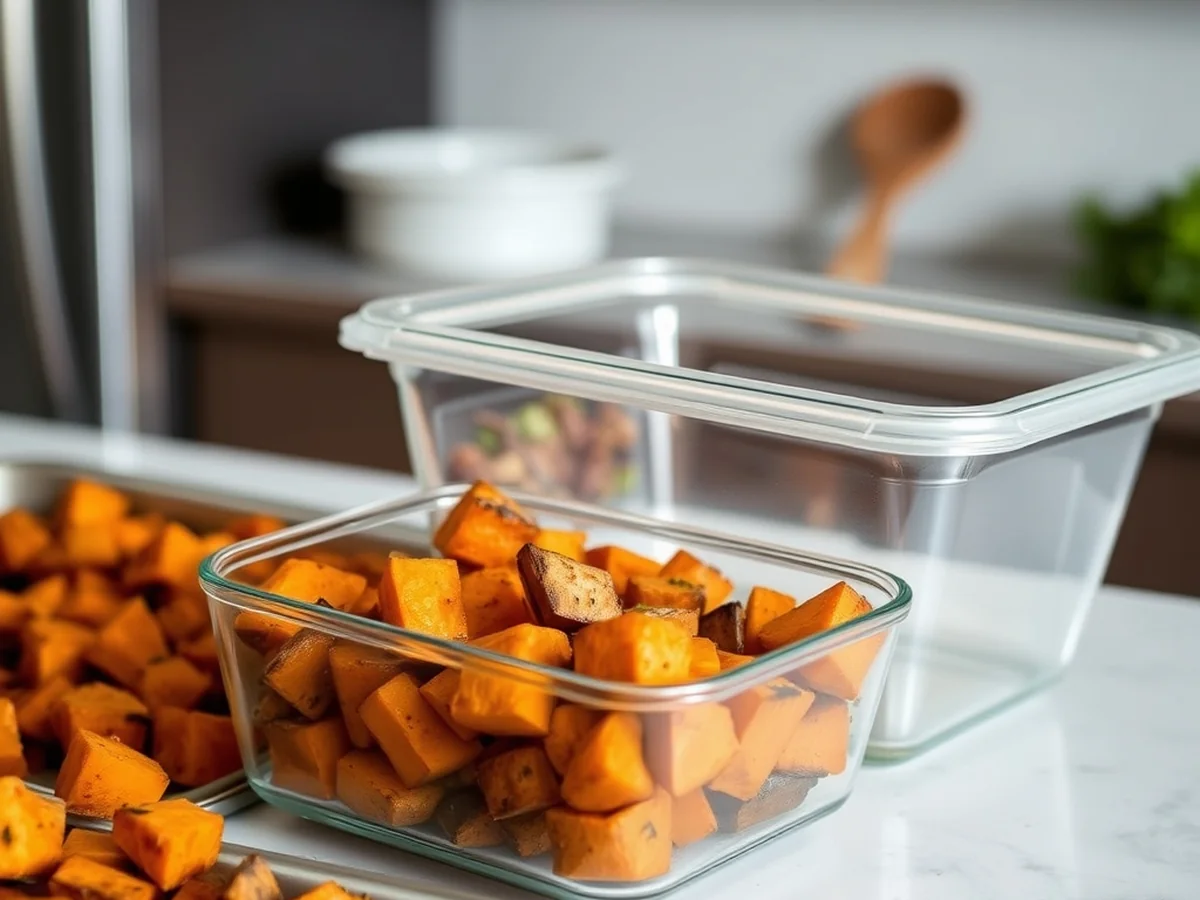
Properly storing a sweet potato sheet pan meal ensures you can enjoy consistent quality throughout the week. Once your roasted vegetables reach room temperature, transfer them to an airtight container. Storing them while they are still hot can cause condensation to form inside the container, which leads to soggy textures. By allowing the steam to escape fully before sealing, you preserve the integrity of the roasted vegetables.
Advanced Preparation Techniques
For those managing a busy schedule, prepping ingredients in advance makes assembling your oven-roasted vegetable dishes much faster. You can peel and chop your sweet potatoes and other vegetables, toss them with olive oil and kosher salt, and store the raw mixture in a sealed container or heavy-duty bag. When you are ready to cook, simply spread the contents onto a baking sheet lined with parchment paper. This method allows you to move directly from the refrigerator to the oven, which is a major advantage when balancing protein-focused meal prep with limited time.
Best Methods for Reheating
Reheating your leftovers requires a balance of heat and airflow to avoid mushiness. Your choice of reheating method depends on how much time you have and your preference for texture.
- Conventional Oven or Toaster Oven: Set your oven to a moderate temperature. Spread the leftovers on a baking sheet lined with parchment paper. This approach allows the heat to circulate around the ingredients, helping to regain some of the crispness that is often lost during refrigeration.
- Skillet Method: If you want to achieve crispy sweet potato cubes, a skillet is often superior to other methods. Heat a small amount of olive oil over medium heat, add the leftovers, and stir occasionally. The direct contact with the pan helps re-caramelize the edges of the vegetables.
- Avoid the Microwave: While the microwave is fast, it is generally ineffective for roasted vegetables. The process traps steam, which softens the structure of the potatoes and prevents you from achieving a desirable texture.
If you have included items like roasted Brussels sprouts and sweet potatoes in your batch, keep in mind that different vegetables may reheat at slightly different rates. Storing your roasted mixture in shallow containers ensures that everything cools and warms evenly, helping you maintain the quality of your meals throughout the week.
Common Roasting Mistakes
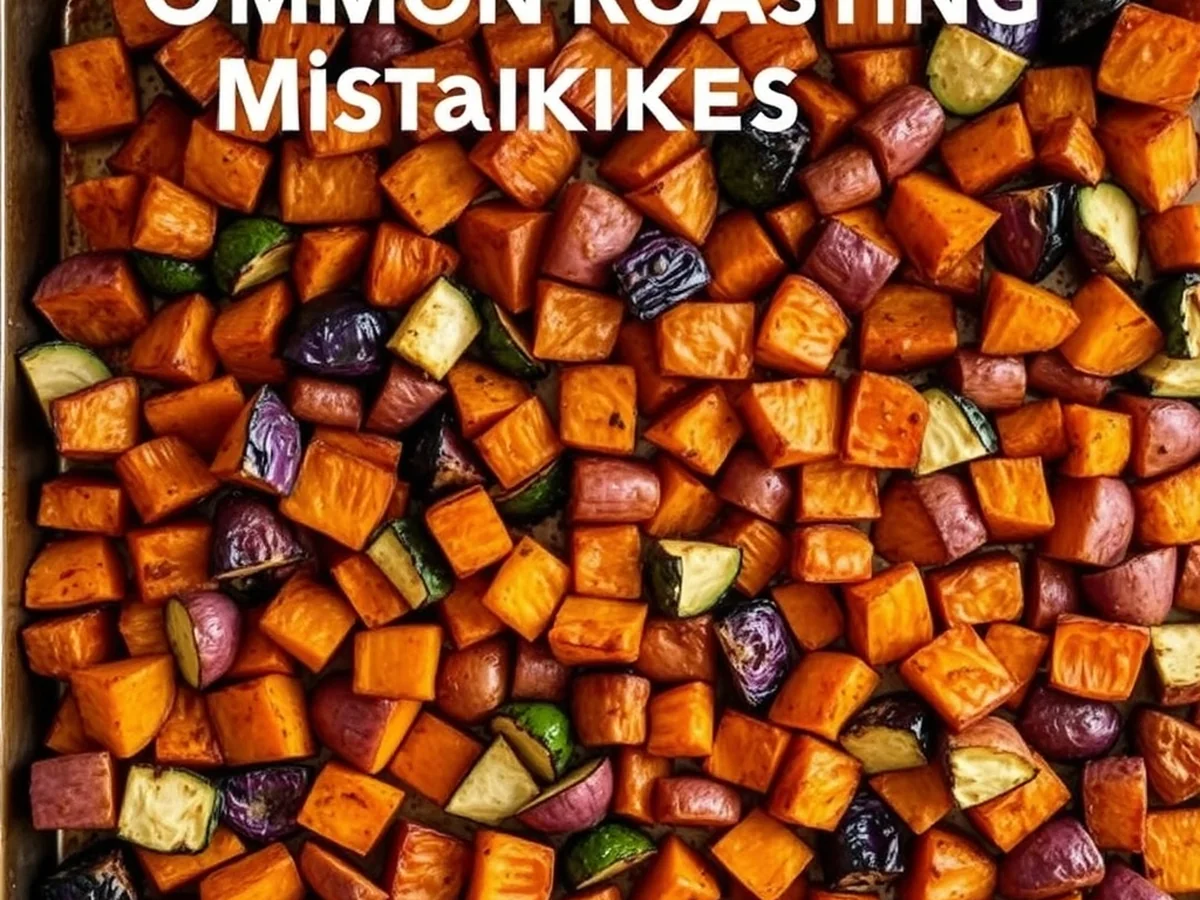
Achieving the perfect sweet potato sheet pan meal requires more than just high heat. Many home cooks struggle with textures that turn out mushy or unevenly cooked. Mastering this technique is essential for creating vegetable sheet pan dinners that actually taste good. By adjusting your preparation and monitoring your baking sheet, you can avoid these frequent pitfalls.
The Importance of Airflow and Spacing
One of the most common errors is overcrowding the pan. When ingredients are piled high, moisture released during the cooking process cannot escape. Instead of roasting, the vegetables effectively steam in their own water. To ensure the edges of your sweet potatoes brown and become firm, arrange your items in a single, sparse layer. Using parchment paper can help with cleanup, but ensure it does not impede the heat transfer from the pan itself. If you are preparing a large batch, it is better to use two separate pans rather than cramming everything into one.
Consistency in Preparation
Uniformity is the foundation of successful roasting. When chopping sweet potatoes or other additions like Brussels sprouts, aim for equal sizing. Uneven pieces lead to a scenario where smaller items burn while larger chunks remain raw in the center. Consistent dimensions allow for even heat penetration across the entire tray. When planning your sheet pan dinner recipes, take the extra minute to ensure your cuts are roughly the same size to guarantee every piece reaches the ideal tenderness simultaneously.
Managing Oil and Seasoning
While fat is necessary for effective heat conduction and browning, excessive oil can undermine your results. A light, even coating of olive oil is sufficient to encourage caramelization. Using a heavy hand leads to a greasy texture rather than a crisp finish. Furthermore, timing your seasoning is vital. If you add delicate ingredients like fresh thyme too early in the process, they will likely burn before your heartier vegetables are ready. Add fresh herbs or delicate spices toward the end of the roasting temperature window to preserve their flavor and color.
Active Monitoring
Even if your preparation is flawless, neglecting the contents of your oven can cause issues. Vegetables resting directly against the hot metal surface often darken faster than the tops. Toss your ingredients halfway through the cooking time to redistribute the heat and promote consistent browning. If you are using a convection oven, the increased airflow will speed up the process, making it even more important to check your progress frequently to avoid overcooking your meal.
Best Seasonings for Roasted Potatoes
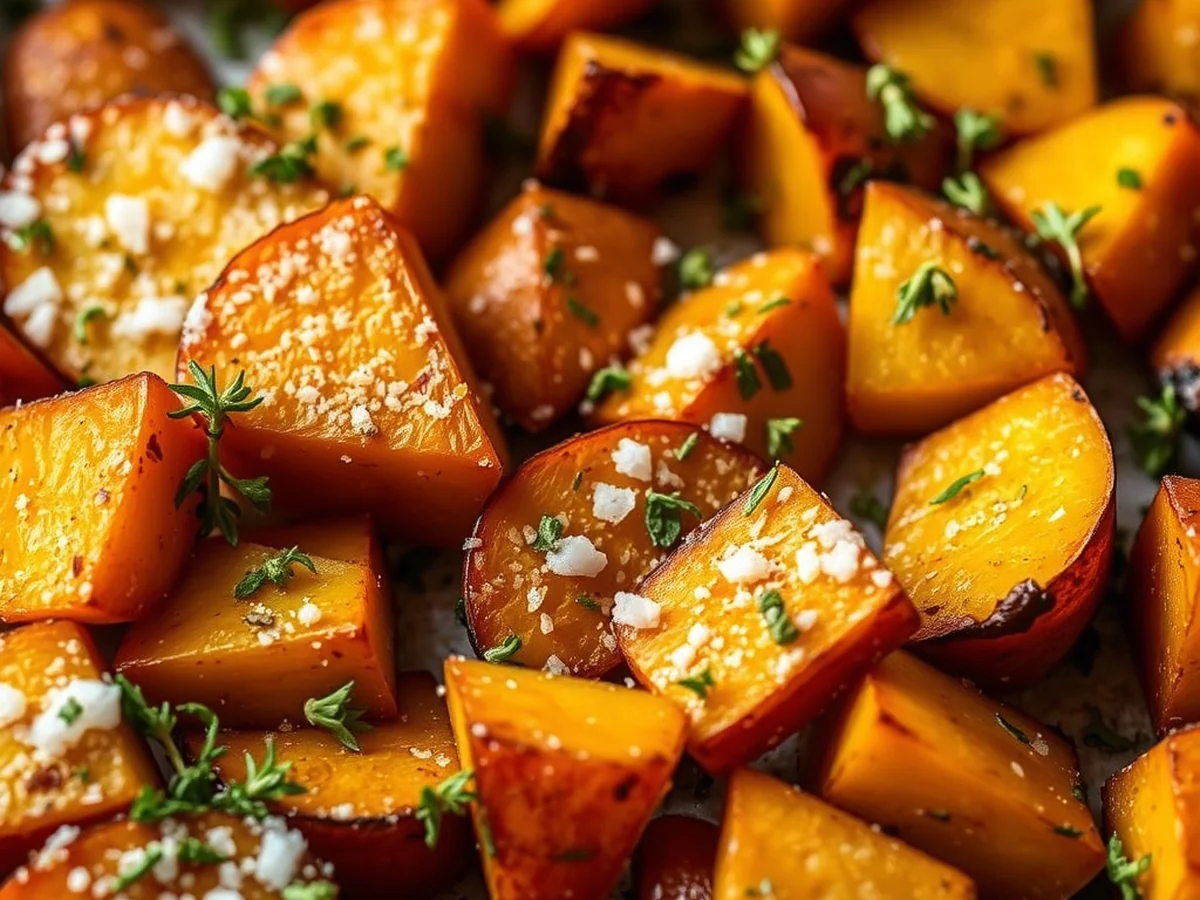
The most effective way to season roasted root vegetables is by balancing robust, savory aromatics with ingredients that highlight their inherent sugar content. Fresh herbs like thyme provide an earthy contrast that prevents the dish from feeling one-dimensional, while heavy coatings of salt and oil ensure even browning.
When experimenting with fresh herbs, woody varieties work best because they withstand high heat without burning away immediately. Fresh thyme leaves can be stripped directly onto the baking sheet before roasting to infuse the oil with a floral, pine-like aroma. If you prefer a brighter profile, add delicate herbs like parsley or chives only after the vegetables have finished cooking.
Balancing savory elements requires attention to the ratio of fat and salt. Using generous amounts of olive oil creates a barrier that conducts heat efficiently, while kosher salt draws out moisture to encourage a crisp exterior. You can deepen the flavor by incorporating smoky spices like paprika or cumin, which bridge the gap between the sugary notes of the vegetables and the savory nature of other components in your healthy vegetable sheet pan meals.
You can customize these vegetable combinations to reflect the seasons by adjusting your herb pairings. During cooler months, lean into warming flavors like rosemary and sage, which pair well with the density of late-harvest produce. As the weather warms, shift toward lighter seasonings such as lemon zest, red pepper flakes, or fresh dill.
- Pair woody herbs like rosemary and thyme with root vegetables for a classic, earthy foundation.
- Introduce smoky or spicy elements to enhance the natural sugars during the roasting process.
- Finish with fresh, soft herbs or citrus zest to brighten the flavor profile immediately before serving.
- Adjust your seasoning intensity based on the other proteins or fats included in your meal prep.
FAQ
How do I keep sweet potato cubes from getting mushy on a sheet pan?
To keep your ingredients from becoming soft, ensure you cut them into uniform sizes and spread them in a single layer on your baking sheet. Giving each piece enough space allows moisture to evaporate properly, which is essential for achieving the right texture.
Should I use parchment paper for a sweet potato sheet pan meal?
Using parchment paper is highly recommended because it prevents vegetables from sticking to the surface and makes cleanup much easier. While you can roast directly on the pan, parchment paper helps distribute heat evenly and prevents the edges of your vegetables from burning.
What is the best roasting temperature for vegetables?
Most vegetable roasting projects work best when cooked between 400 and 425 degrees Fahrenheit. This higher heat range is necessary to caramelize the sugars in the vegetables, creating a nice texture and deep flavor profile.
Can I add protein to my oven-roasted vegetables?
You can easily turn this side dish into a complete meal by adding chicken sausage, chickpeas, or cubed tofu to the pan. When adding protein, choose ingredients with similar cooking times or add them partway through the roasting process to ensure everything finishes cooking at the same time.
How do I know when my vegetables are fully roasted?
Your vegetables are done when a fork can easily pierce the sweet potatoes and the other components have developed crispy, golden-brown edges. If you prefer them a bit softer, simply keep them in the oven for an additional five minutes until they reach your desired level of tenderness.
Conclusion
The final step is to decide whether you want to serve this dish immediately as a vibrant side or store it for your upcoming weekly meal prep. If you plan to eat the vegetables later, allow them to cool completely on the baking sheet before transferring them into airtight containers to maintain their texture. Properly storing your sweet potato sheet pan meal ensures the roasted flavors remain intact for your next busy workday lunch. Simply reheat the portion in a skillet or oven to regain those crispy edges before serving.
You might also like: how to meal prep with eggs