
lemon blueberry oatmeal cookies
Introduction
Lemon blueberry oatmeal cookies combine the bright acidity of citrus with the hearty texture of oats and the sweetness of fresh fruit. Mastering these lemon blueberry oatmeal cookies requires specific attention to dough hydration and fruit moisture content to ensure a consistent, bakery-style result.
This guide covers the technical aspects of balancing ingredients to achieve the ideal chewiness while avoiding common issues like excess spreading or soggy centers. You will learn how to properly prepare fresh lemon zest for maximum flavor, manage the moisture levels when baking with fresh blueberries, and utilize chilling periods to stabilize the dough before it hits the oven.
Lemon Blueberry Oatmeal Cookies Recipe
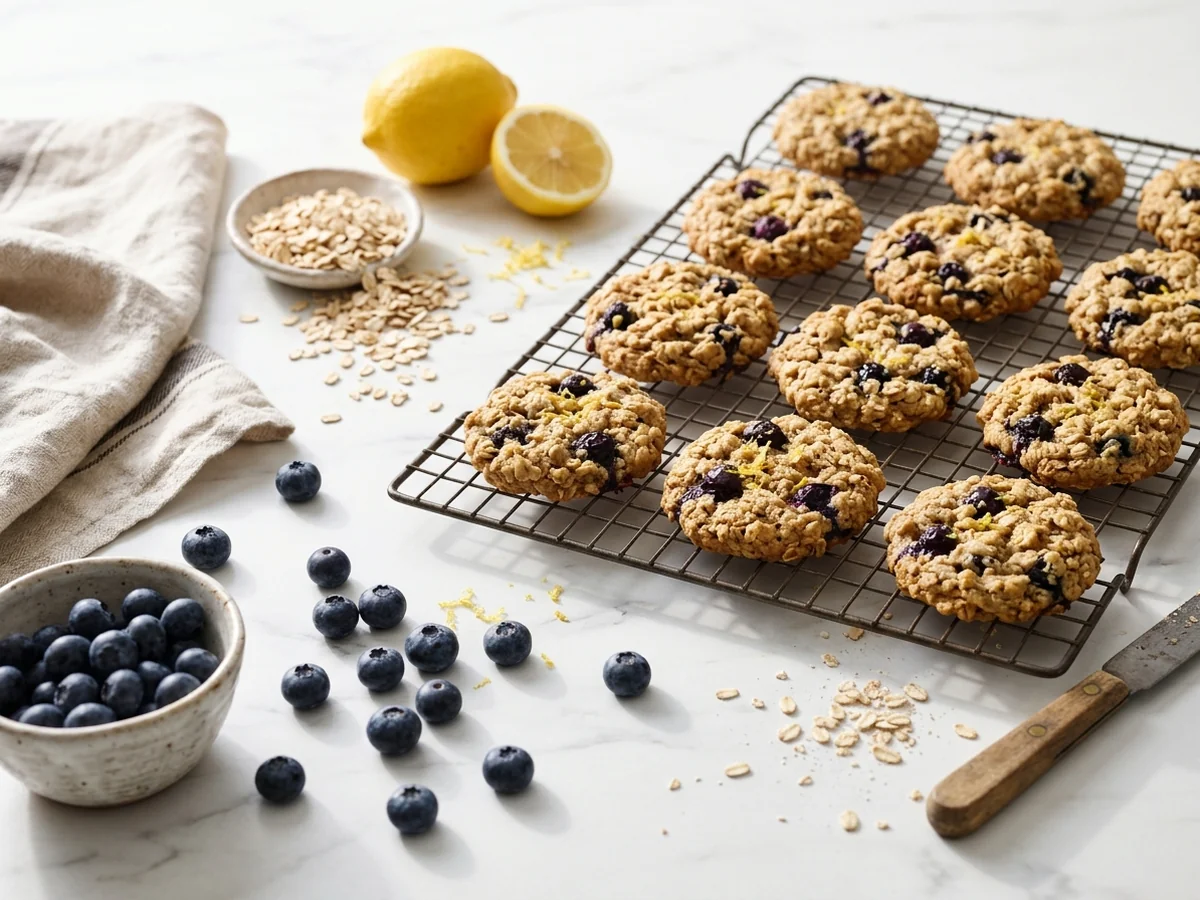
Achieving high-quality, fruit-forward treats requires balancing the structural integrity of the base with the delicate nature of fresh fruit. These desserts rely on a hearty foundation of old fashioned rolled oats and all purpose flour to support the bright, acidic notes of fresh lemon zest and the juicy burst of blueberries.
The texture hinges on the interaction between dry ingredients and moisture. Too much liquid from the berries can make the dough soft or gummy, while insufficient hydration prevents the oats from softening properly. Incorporating fresh lemon zest provides concentrated flavor without the excess moisture found in juice, which helps keep the dough consistency stable.
Controlling moisture and density is essential for the ideal bite. Many bakers find that following common guidance regarding dough preparation significantly improves results:
- Chilling the dough allows the flour to hydrate fully, creating a more uniform crumb.
- Cooling the mixture helps the butter firm up, which is crucial for maintaining the intended shape.
- Resting the dough in the refrigerator helps control the amount of spread while baking, preventing thin or greasy edges.
When selecting your fruit, consider that fresh blueberries add significant water content. Folding them in gently at the final stage of mixing minimizes breakage, which prevents the berries from bleeding color into the dough and turning the cookies a greyish hue. This careful handling ensures every bite contains distinct, vibrant pockets of fruit.
If you prefer a chewier outcome, use old fashioned rolled oats rather than instant varieties, as they provide better structure and a more satisfying mouthfeel. Balancing these components ensures that your finished snacks offer a professional, bakery-style quality with a clean flavor profile that celebrates the contrast between tart citrus and sweet berries.
Perfecting Oatmeal Cookie Texture
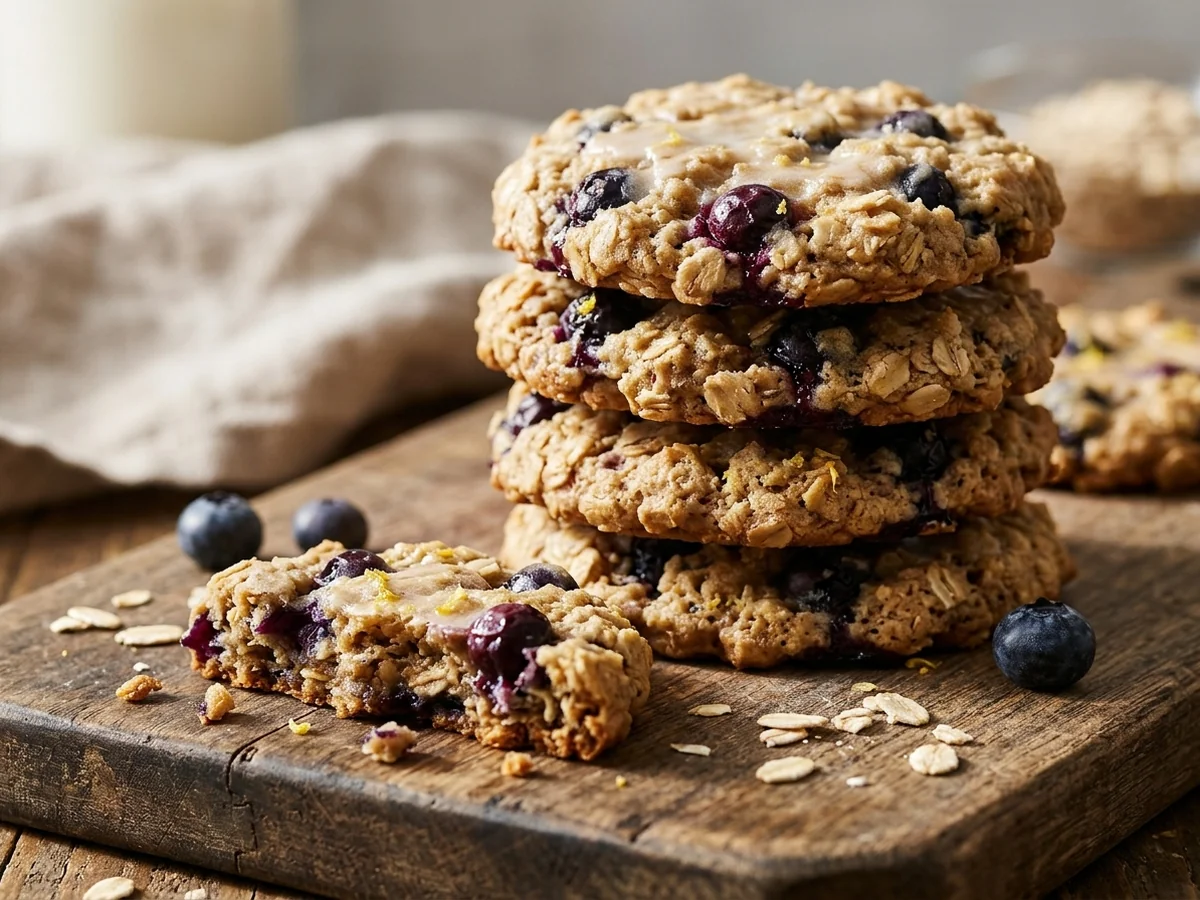
Achieving the right balance in a lemon blueberry oatmeal cookies recipe requires understanding how individual ingredients interact. Old fashioned rolled oats are essential for the structural integrity of your cookies. Unlike instant varieties, these thicker flakes retain their shape during baking, providing a hearty, chewy bite. When combined with all purpose flour, which acts as the binding agent, they create a robust foundation that supports the addition of blueberries and lemon zest in cookie dough.
The Role of Dough Hydration and Chilling
A common technique for improving texture is chilling the dough before baking. This practice is widely considered beneficial for several reasons. First, it allows the flour to fully hydrate, which leads to a more uniform consistency and prevents the dough from feeling overly sticky or dry. Second, chilling helps the butter firm up, which is a key factor in preventing cookie dough spread. By ensuring the fats are cold before they enter the oven, you control the rate at which they melt, resulting in a thicker, more stable cookie that maintains its shape.
Managing Fruit Moisture
Incorporating fruit adds complex flavors, but it introduces extra moisture that can compromise texture. When baking with fresh blueberries, fold them in gently at the very end to prevent them from bursting and bleeding into the dough. If you find your cookies are too soft, consider using a mix of fresh and dried blueberries to reduce the total water content. If you are using lemon juice, be aware that acidity can affect the dough structure; using fresh lemon zest is often the more reliable method to infuse bright citrus notes without altering the moisture balance or risking curdling the fats.
Leavening Precision
Baking powder is the primary leavening agent responsible for the lift in your cookies. Because it reacts quickly to heat and moisture, accurate measurement is vital. Too much baking powder creates an unstable structure that collapses, while too little results in a dense, flat treat. To ensure accuracy, spoon your flour into the measuring cup rather than scooping it, as scooping packs the flour and leads to an incorrect ratio that can ruin the delicate crumb.
- Use a level measuring tool for baking powder to avoid accidental over-leavening.
- Chill your dough to improve the texture and control the final shape.
- Fold in fresh blueberries last to maintain the integrity of the dough.
Managing Fresh Blueberry Moisture
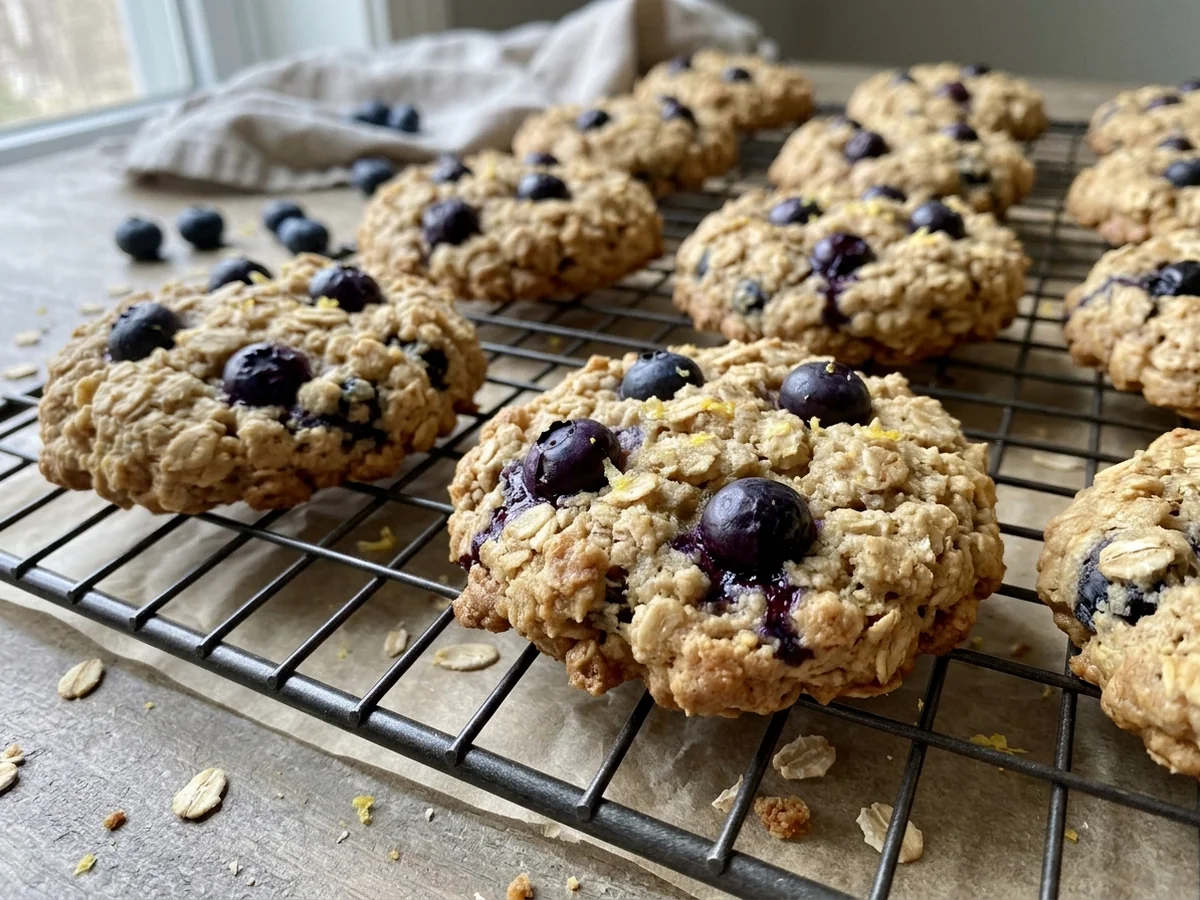
Fresh blueberries release liquid as they heat, which can cause cookies to soften prematurely or weep during the baking process. Because fresh fruit contains significantly more water than dried alternatives, this moisture can disrupt the structural integrity of your dough. Dried blueberries have had most of their water content removed, making them a more stable option that does not impact the consistency of your lemon blueberry oatmeal cookies.
To help manage the moisture when baking with fresh blueberries, you can coat the fruit in a small amount of dry ingredients before folding them into the dough. This simple step helps bind the surface liquid and prevents it from bleeding into the surrounding mixture. Follow these steps to prepare your fruit for the best results:
- Gently rinse the berries and dry them completely with a paper towel to remove surface moisture.
- Place the clean blueberries in a small bowl and sprinkle a teaspoon of flour over them.
- Toss the berries lightly until each one is coated with a thin, even layer of flour.
- Shake off any excess flour to avoid adding too much dry material to your dough base.
- Fold the coated berries into your dough at the very last moment to minimize bruising.
- Bake the cookies immediately after mixing to prevent the berries from macerating in the sugar and releasing their juices early.
Beyond coating the fruit, chilling your cookie dough is a common practice that can also assist with texture. Allowing the dough to rest in the refrigerator helps the flour hydrate properly and ensures the butter remains firm. This process is beneficial for preventing excessive spread while the blueberries release their natural juices in the oven. By controlling the temperature and moisture level of your ingredients, you can achieve a soft yet stable texture even when using fresh fruit in your baking.
Lemon Zest And Dough Chemistry
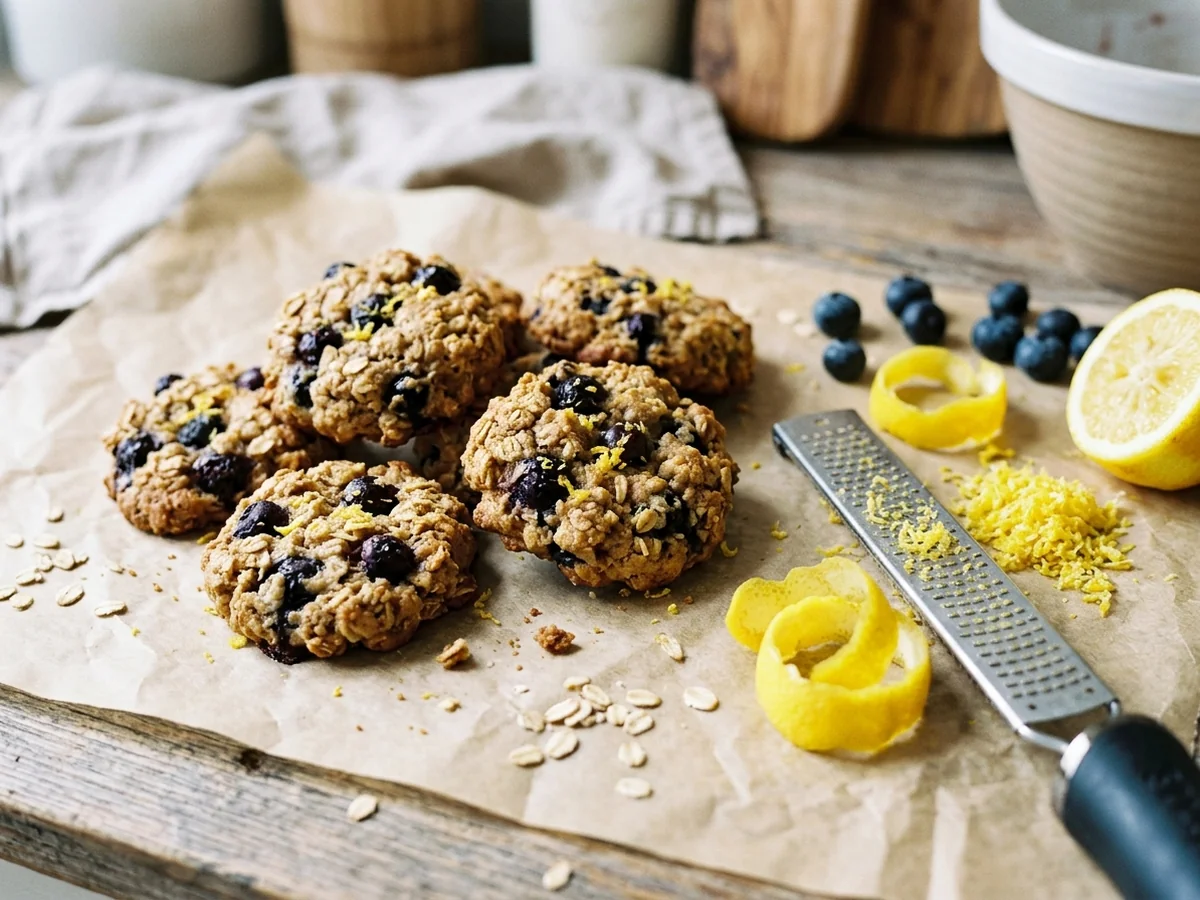
When preparing a lemon blueberry oatmeal cookies recipe, the precision of your citrus flavoring significantly impacts the final outcome. Using fresh lemon zest instead of juice is a standard practice to keep the dough chemistry stable. Zest provides concentrated flavor from essential oils without introducing the high acidity that often disrupts delicate dough structures. Lemon juice contains citric acid, which can interfere with chemical leavening agents like baking powder. When acidic juice reacts prematurely with leavening, it creates an inconsistent rise and can lead to a dense, flat texture. Relying on lemon zest in cookie dough ensures the leavening performs as expected once the heat of the oven triggers the reaction.
The Impact Of Moisture On Texture
Beyond maintaining pH levels, fresh lemon zest offers a superior flavor profile that juice cannot replicate. The outer peel contains volatile oils that survive the baking process better than the sharp, water-heavy components found in the juice. Adding juice often introduces excess moisture, which can alter the intended chewiness of the oatmeal base. For those focused on oatmeal cookie texture tips, managing water content is critical. Excess moisture can soften the old fashioned rolled oats too much before baking, resulting in a cookie that lacks a crisp edge.
Techniques For Maximum Flavor
To extract the maximum amount of oil and fragrance, use a microplane or fine zester to remove only the bright yellow outer layer. Avoid the bitter white pith underneath, as it adds an unpleasant astringency that detracts from the bright citrus notes. Follow these techniques to ensure high-quality flavor:
- Apply light pressure while zesting to capture only the vibrant, oil-rich surface of the fruit.
- Rotate the lemon frequently to prevent over-zesting a single spot and reaching the pith.
- Zest directly into your granulated sugar before mixing with unsalted butter, as the abrasive sugar crystals help release and trap the aromatic citrus oils.
Controlling Dough Structure
Once your ingredients are combined, common guidance suggests that chilling cookie dough allows the flour to hydrate and helps the butter firm up. This cooling period is particularly useful for preventing cookie dough spread. Because fresh blueberries and lemon zest introduce distinct moisture profiles, a rest in the refrigerator helps stabilize the dough, ensuring that the butter remains firm until it hits the hot oven. By controlling these variables, you maintain the structural integrity needed for a perfect bake, whether you are incorporating fresh blueberries or opting for dried varieties to manage moisture levels.
Preventing Cookie Spread
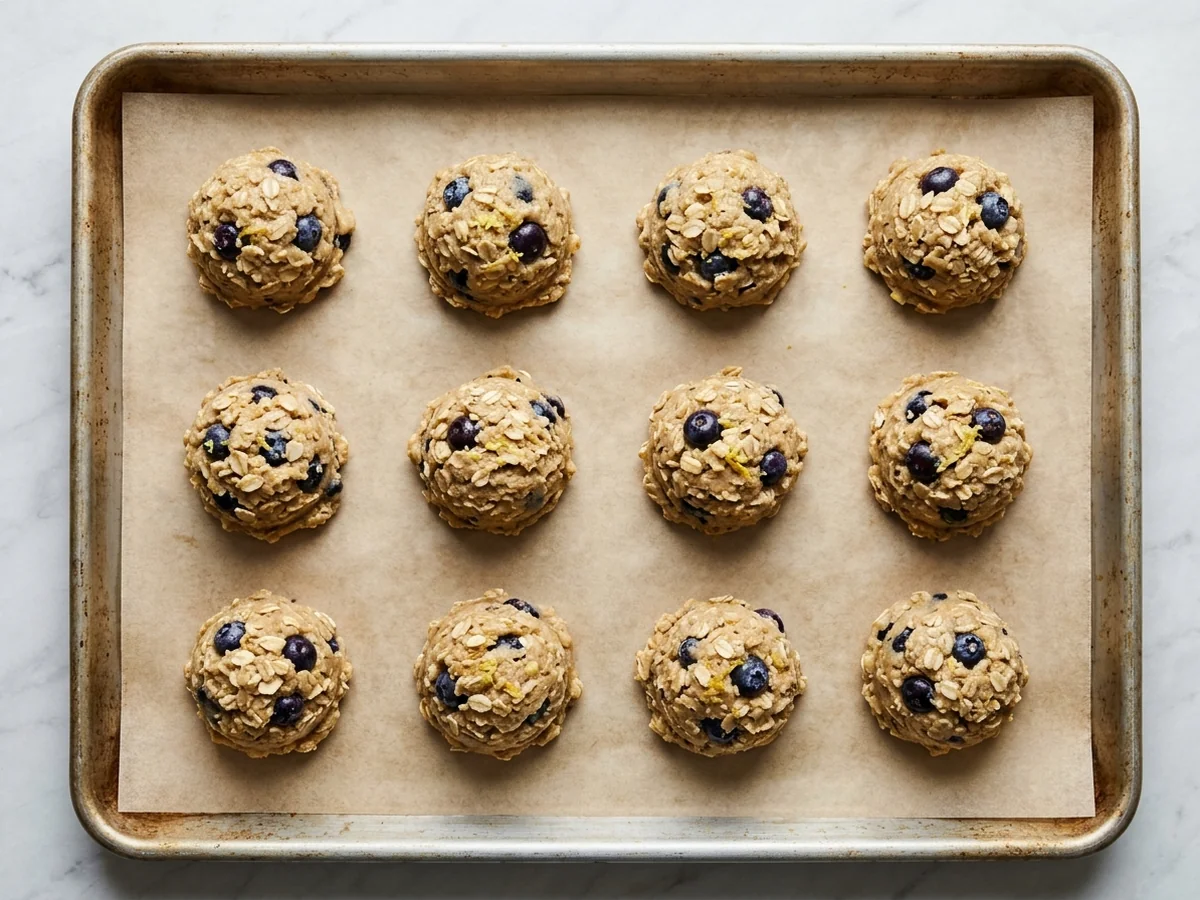
Controlling dough temperature is a fundamental technique for achieving the desired shape in lemon blueberry oatmeal cookies. Chilling your dough before it hits the oven is widely considered effective for preventing cookie dough spread, as it allows the ingredients to stabilize before baking begins.
The Role of Fat and Temperature
Common guidance suggests that chilling cookie dough helps the butter firm up. When using unsalted butter in your mixture, the fat remains solid for a longer duration once the cookies are exposed to oven heat. Because the butter takes more time to melt, the structure of the dough remains intact rather than collapsing into thin puddles on the baking sheet. This is particularly important when incorporating fresh fruit into the mix, as the additional moisture from the blueberries can otherwise compromise the integrity of the cookie base.
Hydration and Texture Control
Beyond fat management, resting the dough is a key aspect of refining your oatmeal cookie texture tips. It is common practice to allow the flour and old fashioned rolled oats to hydrate fully. As the flour absorbs moisture from the liquids, such as vanilla extract or the juices from lemon zest in cookie dough, the mixture becomes denser and more cohesive. A well-hydrated dough is significantly more resistant to spreading during the baking process.
Practical Tips for Success
When preparing your dough, keep these factors in mind to ensure a professional result:
- Aim for a minimum chill time of 30 minutes to allow the butter to firm up and the flour to hydrate properly.
- Avoid over-mixing when adding fresh fruit, as this can break down the blueberries and introduce excess moisture that leads to thin, spreading cookies.
- If you notice the dough becoming too warm while you work, place the bowl back in the refrigerator for 10 minutes.
- Ensure your baking powder is fresh, as old leavening agents may not provide the necessary lift, causing the cookies to rely solely on the fat structure to maintain their shape.
By prioritizing temperature control and allowing for adequate hydration, you can achieve a consistent crumb and a balanced density in every batch. These simple adjustments provide the structure needed to hold heavy additions like blueberries while maintaining the tender, hearty texture expected of a high-quality oatmeal treat.
Storing Blueberry Oatmeal Cookies
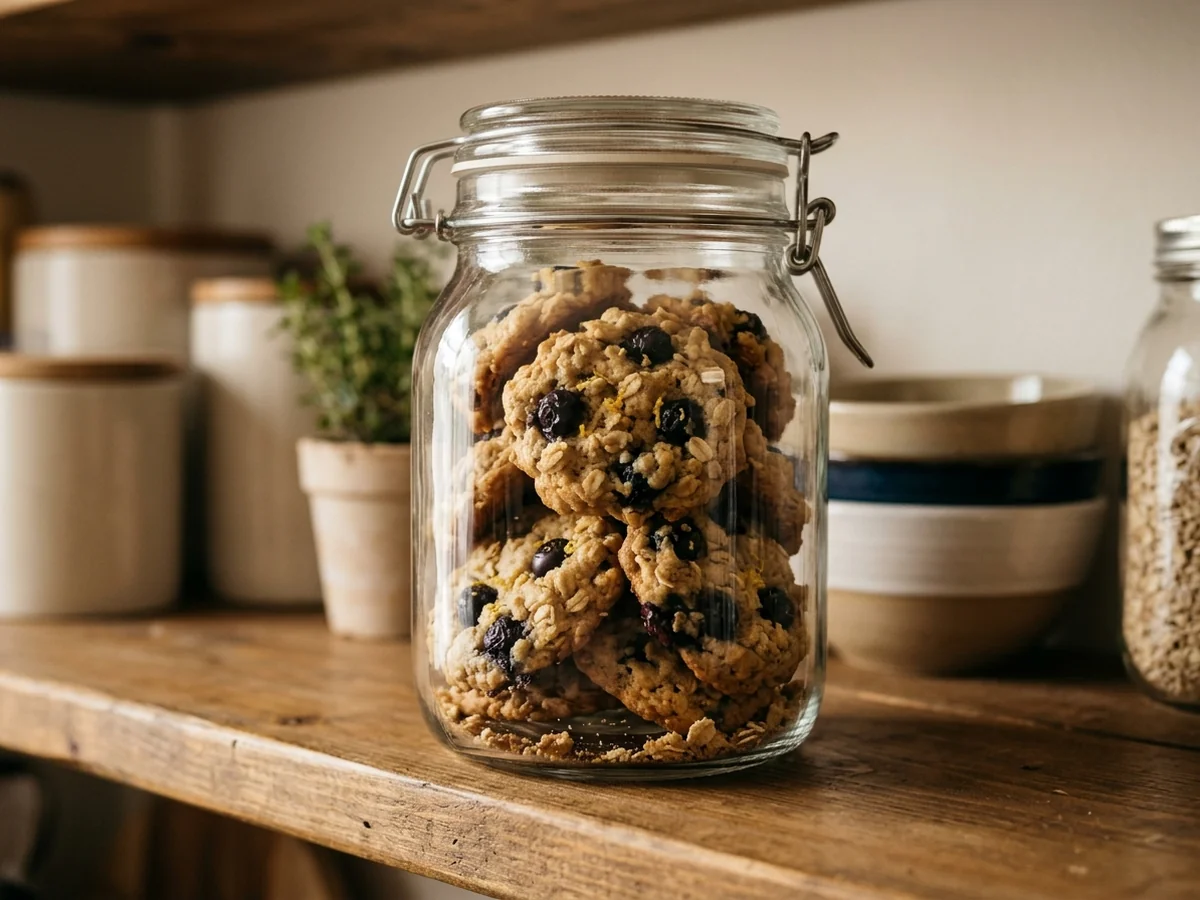
Proper storage is essential for maintaining the quality of lemon blueberry oatmeal cookies, especially because fresh fruit introduces significant moisture that can quickly compromise the texture of the oats. If you have mastered the process of making these treats, ensuring they remain chewy rather than soggy requires specific environmental controls.
Managing Moisture and Texture
When using fresh fruit in your bake, the berries release juice during and after the cooling process. To keep your treats at their best, avoid stacking them while warm. Instead, layer them between sheets of parchment paper in an airtight container. This simple step prevents the cookies from sticking together and helps maintain their structural integrity. If you notice the edges softening too quickly, it is often a sign of high ambient humidity. In such cases, keep the container in a cool, dry area of your pantry.
The Role of Temperature in Preservation
Storing cookies at room temperature is generally acceptable for up to 48 hours. However, if your kitchen environment is warm or humid, refrigeration is the safer choice to prevent premature mold growth. Before consuming refrigerated cookies, allow the container to reach room temperature before opening it. This practice prevents condensation from forming on the surface of the cookies, which would otherwise ruin the desired chewy texture.
For longer storage, freezing is the most effective method. Place the cookies in a single layer on a baking sheet to firm up before transferring them to a freezer-safe bag. This protects their shape and keeps them fresh for up to one month.
Advanced Preparation and Troubleshooting
Beyond storage, the foundation for a stable cookie begins before the oven. Chilling cookie dough is a standard technique that provides several advantages. It is common guidance that this step allows the all-purpose flour to hydrate, which improves the final crumb. Furthermore, chilling helps the butter firm up, providing better control over the amount of spread while baking. This is particularly important when adding citrus elements to the mix, as the cold environment helps lock in the aromatic oils without the dough losing its shape. If you struggle with fresh blueberries weeping, ensure the berries are completely dry before folding them into the dough, and handle the mixture gently to prevent breaking the skins of the fruit.
Fixing Common Cookie Issues
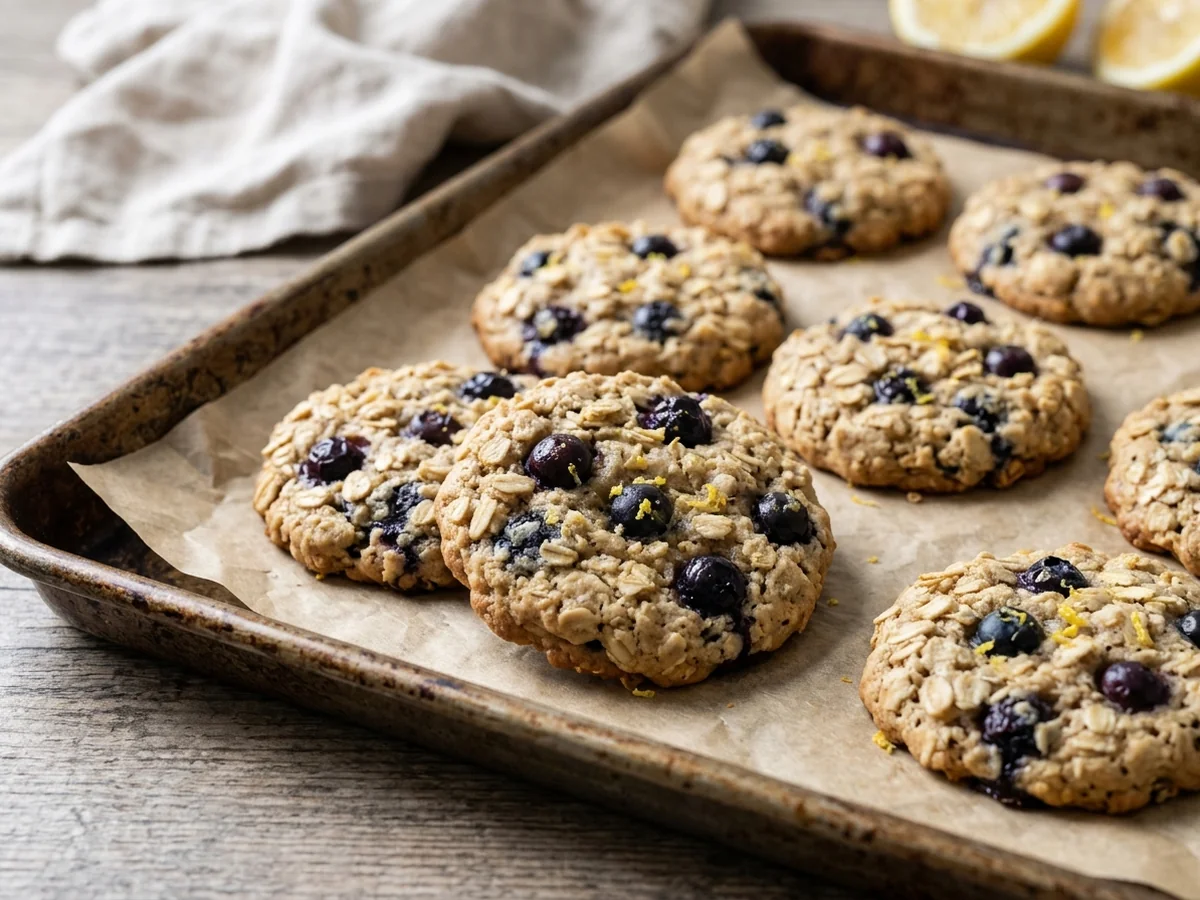
When baking lemon blueberry oatmeal cookies, achieving the right texture requires balancing moisture from fresh fruit with the structure provided by all purpose flour and old fashioned rolled oats. If your batch turns out too soft or spreads into a thin puddle, the issue often relates to improper temperature control or ingredient ratios.
| Issue | Primary Cause | Adjustment |
|---|---|---|
| Excessive spreading | Warm butter | Chill the dough |
| Crumbling texture | Dry ingredients | Measure flour correctly |
| Soft or sticky dough | Low hydration | Rest the dough |
The Role of Dough Chilling
Chilling your cookie dough before baking serves two essential functions. First, it is common guidance that this allows the flour to hydrate, which improves the overall structure. Second, it is typical practice that chilling helps the butter firm up. When butter is cold, it takes longer to melt in the oven, which is a common strategy for managing how much the cookies expand. If you skip this step, the fat may liquefy prematurely, resulting in a flat cookie. For oatmeal cookie texture tips, aim to chill the dough for at least thirty minutes, especially if you are working in a warm kitchen.
Managing Fruit Moisture
Incorporating blueberries into the batter presents a unique challenge because the fruit releases moisture as it heats. To prevent the dough from becoming too sticky, toss your blueberries in a light coating of flour before folding them into the mixture. This absorbs excess liquid. When using citrus peel to flavor the dough, avoid adding lemon juice directly to the batter, as the acidity can alter the leavening process or cause the dough to curd. Zest provides concentrated flavor without the excess liquid that compromises structural integrity.
Calibration and Temperature Control
Consistent results depend heavily on your oven temperature. Many home ovens fluctuate, leading to uneven baking or centers that remain raw. An inexpensive oven thermometer is the most reliable way to verify your actual baking temperature versus the dial setting. If your oven runs hot, the edges of your lemon blueberry oatmeal cookies may set and brown before the center is cooked through. Always calibrate your oven periodically to ensure the heat remains steady, which is critical for recipes involving delicate ingredients like fresh fruit and rolled oats.
Best Ingredients for Cookies
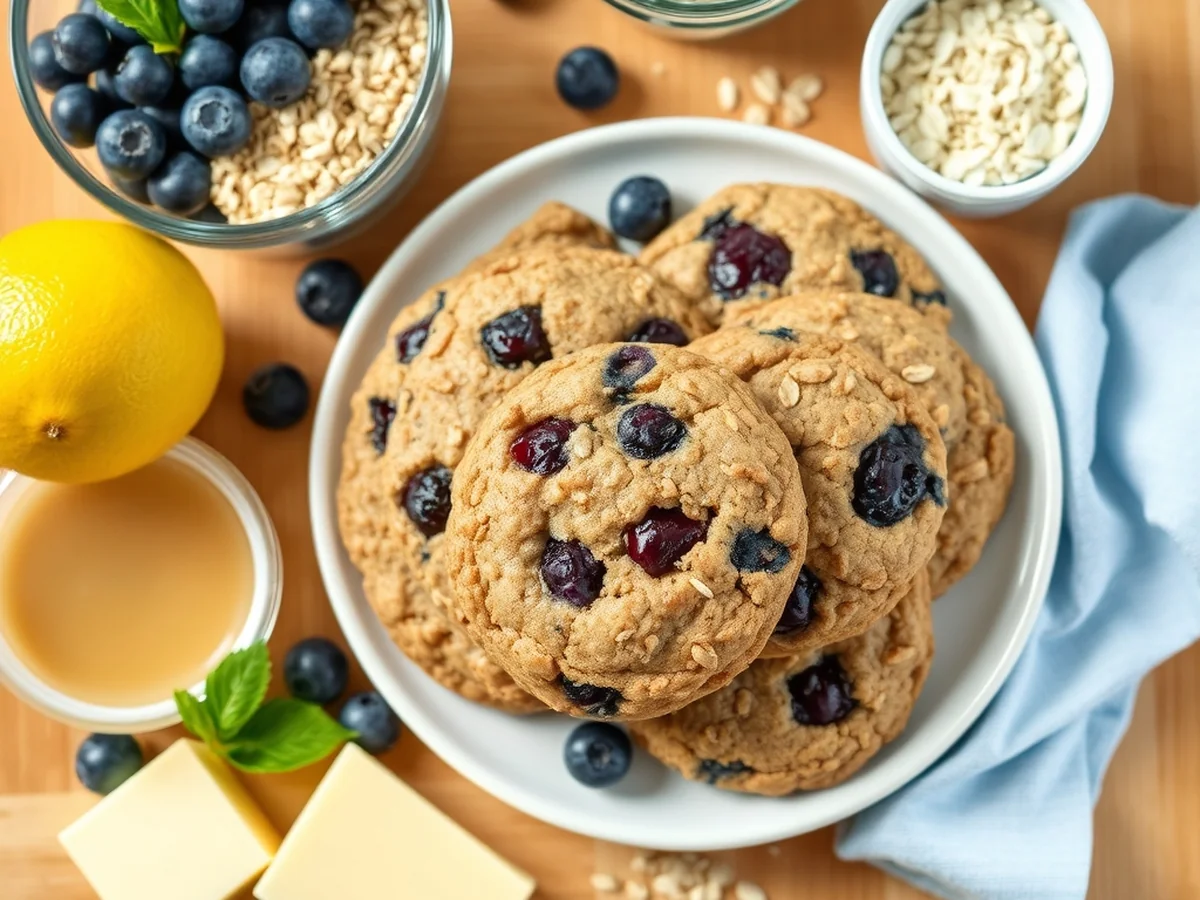
High-quality ingredients define the final structure and flavor profile of any fruit-forward treat. Using unsalted butter allows you to control the sodium levels precisely, ensuring the citrus notes remain bright rather than masked by salt. It also provides a cleaner, creamier base that prevents the dough from becoming overly greasy during the baking process.
The type of sugar you select impacts both the moisture level and the crispness of your baked goods. While standard white granulated sugar provides a clean sweetness that lets the fruit shine, incorporating small amounts of light brown sugar can add a subtle molasses depth that complements the earthiness of old fashioned rolled oats.
Vanilla extract acts as a bridge between the sharp acidity of fresh lemon zest and the sweet, jammy notes of your blueberries. Even in small quantities, it rounds out the flavor profile, preventing the citrus from feeling one-dimensional and ensuring the berries taste balanced.
Consider these essential tips for selecting and utilizing your ingredients to ensure a superior result:
- Select unsalted butter that is high in butterfat to improve the overall crumb and richness of the cookie.
- Use pure vanilla extract instead of imitation versions to ensure the most authentic depth of flavor.
- Choose fresh lemon zest to incorporate into your cookie dough for a vibrant, aromatic citrus punch that juice cannot replicate.
- Measure your granulated sugar accurately, as excess sugar can lead to unwanted spreading during the heat of the oven.
- Incorporate old fashioned rolled oats to provide a sturdy structure that holds up well against the moisture of fresh blueberries.
- Ensure all ingredients are at the correct temperature before mixing to facilitate proper aeration and texture.
Proper ingredient selection is only the first step in achieving the perfect oatmeal cookie texture. Once your dough is combined, common guidance suggests that chilling the mixture is a vital step. This process allows the flour to hydrate fully, helps the butter firm up to maintain shape, and effectively helps control the amount of spread while baking.
FAQ
Can you add fresh blueberries to oatmeal cookies?
Yes, you can add fresh blueberries to your citrus-infused fruit treats, but it requires careful handling to manage moisture levels. Because fresh fruit releases water during the baking process, many bakers opt to gently fold them into the dough last to prevent them from bursting and turning the batter gray.
Does chilling cookie dough affect how much cookies spread?
Chilling your dough is a common practice that helps control the amount of spread while baking. By allowing the butter to firm up and the flour to hydrate, the dough becomes more stable and maintains its shape better in the heat of the oven.
Should I use lemon zest or lemon juice in my dough?
Use fresh lemon zest to add bright flavor to your oatmeal treats without altering the chemical balance of the dough. Adding too much lemon juice introduces excess acidity and liquid, which can cause the dough to curdle or become overly soft.
How do I prevent blueberries from weeping into the dough?
You can reduce the risk of blueberries weeping by gently tossing them in a small amount of all purpose flour before folding them into the mixture. This light coating helps absorb some of the surface moisture and keeps the fruit suspended evenly throughout the old fashioned rolled oats.
Are dried blueberries better than fresh ones for cookies?
Dried blueberries are often easier to work with because they have a lower water content and provide a concentrated burst of sweetness. If you prefer the texture of fresh fruit, keep in mind that the cookies will have a shorter shelf life and should be stored in the refrigerator.
Conclusion
The most effective way to ensure a stable structure is to chill your dough for at least thirty minutes before baking. This step is a common practice because it allows the flour to hydrate and helps the butter firm up, which typically assists in controlling the amount of spread while your treats are in the oven. When you prepare your next batch of these citrus and berry oat treats, prioritize this cooling period to achieve the best possible results for your bake. Simply portion the dough onto your baking sheet, place it in the refrigerator, and you will be ready to bake with confidence.
You might also like: how to meal prep with eggs